
El Niño puts South Africa on alert for hotter, drier summer
From water shortages and rising household consumption to heat-related illnesses, South Africans are urged to prepare for a summer that could put additional pressure on the country's water resources and communities.
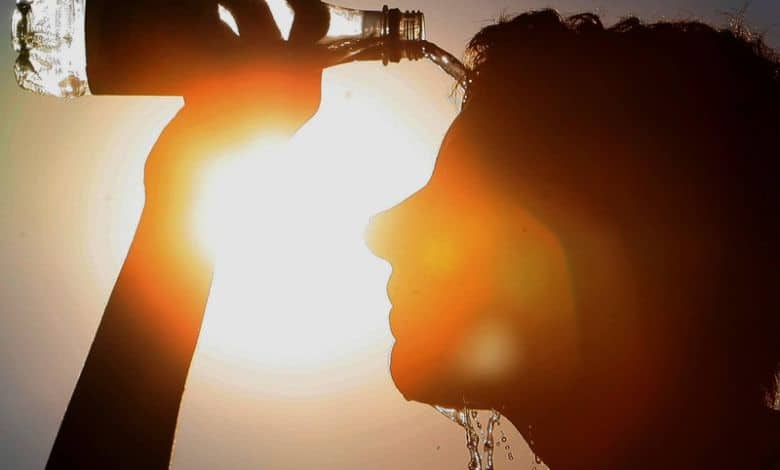
South Africans are being urged to prepare for a potentially hotter and drier summer as a developing El Niño raises concerns about water security, food production and public health across the country.
With temperatures expected to climb and rainfall likely to remain below normal in large parts of South Africa, households, municipalities and farmers could face additional pressure during the 2026/27 summer season.
The South African Weather Service (SAWS) has forecast above-normal temperatures and below-normal rainfall across much of the country. Although the effects will differ between regions, the combination of reduced rainfall and increased evaporation could place further strain on dams, rivers, groundwater supplies and municipal distribution networks.
El Niño does not automatically mean drought, but it increases the risk of dry conditions in southern Africa. For a country where many communities already experience water interruptions, the prospect of a hotter summer makes preparation particularly important.
The effects could extend beyond household taps. Reduced rainfall can affect agricultural production, livestock and soil moisture, while higher temperatures increase water demand in homes, businesses and industry.
Water security starts at home
The pressure on water supplies is already a concern in several communities.
In Pretoria, residents have been urged to reduce consumption as rising temperatures and increased demand place pressure on the city’s water distribution network.
As reported by Rekord, electricity interruptions can also affect pumping operations, creating further challenges for water distribution.
While Pretoria’s situation is a local example, the underlying challenge is relevant to municipalities across South Africa: Increased consumption, infrastructure constraints and unreliable supply can leave households vulnerable when demand rises.
Residents can help by taking shorter showers, repairing leaking taps and toilets, turning off taps while brushing their teeth and using buckets instead of hosepipes to wash vehicles.
Gardeners can reduce water consumption by watering plants during cooler parts of the day, using mulch to limit evaporation and choosing indigenous plants that require less water.
Municipal water restrictions and supply announcements should also be followed, particularly during prolonged periods of high temperatures.
Build an emergency water supply
Waiting until the taps run dry is not the time to start looking for drinking water, reported the Heidelberg Nigel Heraut.
SANBWA chief executive Charlotte Metcalf encouraged households to establish an emergency drinking water supply before shortages occur.
International emergency guidelines recommend storing about four litres per person per day. This allows for approximately two litres for drinking, with the remainder for food preparation and basic hygiene.
A family of four would therefore need about 48 litres for three days. Additional supplies may be necessary during extreme heat, particularly for households with young children, older people, pregnant or breastfeeding women, people who are ill and pets.
Households can store unopened bottled water or use clean, sanitised, food-grade containers with tightly fitting lids. Stored water should be dated, kept in a cool, dark place and replaced regularly.
Metcalf also cautioned against assuming that borehole and rainwater supplies are automatically safe to drink.
Borehole water should be tested by an accredited laboratory, while rainwater tanks should be covered, screened and cleaned regularly. Water of uncertain quality should be treated or boiled before consumption.
Heat poses a public health risk
Water security is only one part of the challenge. Prolonged high temperatures can also affect people’s health, particularly those who work outdoors or have limited access to cool spaces.
Heidelberg Nigel Heraut highlighted warnings from the City of Ekurhuleni’s Disaster and Emergency Management Services.
The department cautioned that temperatures exceeding 35°C to 40°C could increase the risk of dehydration, heat exhaustion and heatstroke.
These risks are particularly relevant to outdoor workers, young children, older people and those with existing health conditions. People who spend extended periods in the sun, including construction workers, gardeners, farmers and informal traders, should take particular care.
Residents are advised to drink water regularly rather than waiting until they feel thirsty, avoid strenuous outdoor activities during the hottest part of the day, generally between 11:00 and 15:00, and seek shade or cooler surroundings whenever possible.
Loose-fitting, lightweight clothing, a wide-brimmed hat and sunscreen can offer additional protection. Children and pets should never be left inside parked vehicles, even for a few minutes.
Families should also check on older relatives and neighbours during heatwaves, especially those living alone.
Heat exhaustion can cause heavy sweating, headaches, dizziness, nausea, weakness and muscle cramps. Heatstroke is a medical emergency, with symptoms that can include confusion, fainting, very hot skin and a dangerously high body temperature.
Anyone showing signs of heatstroke should be moved to a cooler area and cooled with water or wet towels while emergency medical assistance is arranged. A person who is confused or unconscious should not be given anything to drink.
Preparing for the months ahead
South Africa’s experience of El Niño will not be identical across all provinces, and rainfall patterns can vary significantly between regions.
However, the potential combination of higher temperatures, reduced rainfall and increased water demand makes preparation a national concern.
For households, this means using water more carefully, keeping an emergency supply of safe drinking water and knowing how to recognise heat-related illness.
For municipalities, farmers and businesses, it means monitoring conditions and planning for the possibility of prolonged dry spells and increased demand.
Residents are encouraged to follow SAWS forecasts and municipal announcements as the summer progresses. While no one can control the weather, preparing early can help reduce the impact when conditions become difficult.
Breaking news at your fingertips… Follow Caxton Network News on Facebook and join our WhatsApp channel.
Nuus wat saakmaak. Volg Caxton Netwerk-nuus op Facebook en sluit aan by ons WhatsApp-kanaal.
Read original story on www.citizen.co.za

