
Eskom’s coal stockpiles deteriorate further
Interventions may be too late for the rainy season.
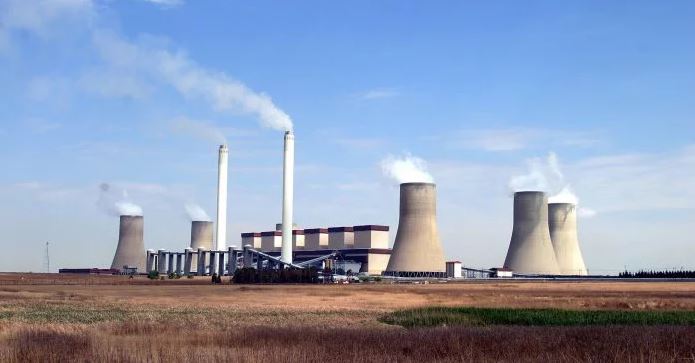
Eskom’s coal stockpile situation has deteriorated further, with five power stations having less than 10 days’ stock. Interventions to stabilise the coal supply may only have a positive impact by March next year.
This means Eskom is entering the rainy season in Mpumalanga extremely exposed and that load shedding is a real risk, Eskom spokesperson Khulu Phasiwe told Moneyweb on Sunday.
In the meantime, the power utility is using costly diesel plants to supplement the power generated by its coal-fired fleet. It is unlikely to recover this additional cost from tariffs and could see further deterioration of its finances due to this unplanned cost.
In addition, Eskom got a bloody nose in the High Court in Johannesburg when it tried to force one of its former coal suppliers, which had cancelled its contract with Eskom, to continue supplying coal to its Majuba Power Station near Volksrust in Mpumalanga.
Kuyasa Mining on Friday confirmed to Moneyweb that it stopped supplying about 140 000 tons of coal per month to Majuba – through its subsidiary Delmas Coal – late in October. In court papers Kuyasa, an emerging miner, accused Eskom of negotiating in bad faith about a sustainable tariff escalation model, and said the current rate of R12.34 per GigaJoule (GJ) at which Eskom buys coal from the group is less than its cost of production.
Kuyasa claims it has been subsidising its coal supply to Eskom by R12 million per month for the past year and that this is ruining the group financially. The payment terms were 30 days after receipt of Kuyasa’s invoice.
Arbitration
Kuyasa has offered to continue supplying Eskom until the matter has been settled in arbitration, but then Eskom must pay it R27/GJ on a cash-on-delivery basis. No date has been set for the arbitration.
Eskom has rejected this offer and questions the economic hardship Kuyasa claims. An affidavit prepared for court by Petrus Mazibuko, an Eskom manager for primary energy, points out that Kuyasa paid its staff bonuses of R18 000 each in 2017/18. Kuyasa claims the payments were in fact for overtime.
Moneyweb earlier reported that Eskom paid its staff bonuses of R88 000 on average in July last year and accepted a wage agreement in August this year that included a R10 000 after-tax “settlement bonus” for every one of the more than 33 000 members of the bargaining unit, in addition to a wage increase way above the inflation rate.
Mazibuko says in his affidavit that Eskom cannot afford to pay Kuyasa so much more for its coal and accuses Kuyasa of planning to export the coal at a higher price. Kuyasa rejects Eskom’s poverty claim and refers it to the R600 million coal prepayment it made earlier to a Gupta-owned mine.
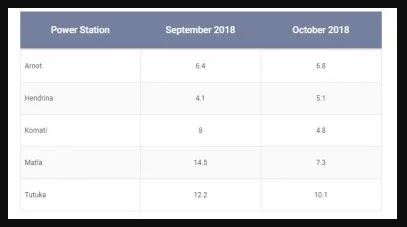
In his affidavit Mazibuko discloses that Majuba’s reserve stock levels were at 9.3 days on October 26, and that Eskom was diverting coal from other power stations to Majuba. The stock levels at these power stations were however also critically low, as he illustrated in this table:
Read original story on citizen.co.za

