
Facebook post by George hiker leads to poacher’s arrest after wildlife sting
A photo shared by a concerned hiker led to a two-month covert operation in Denneoord, George, uncovering 18 wire snares and resulting in the arrest and fining of a suspected poacher.
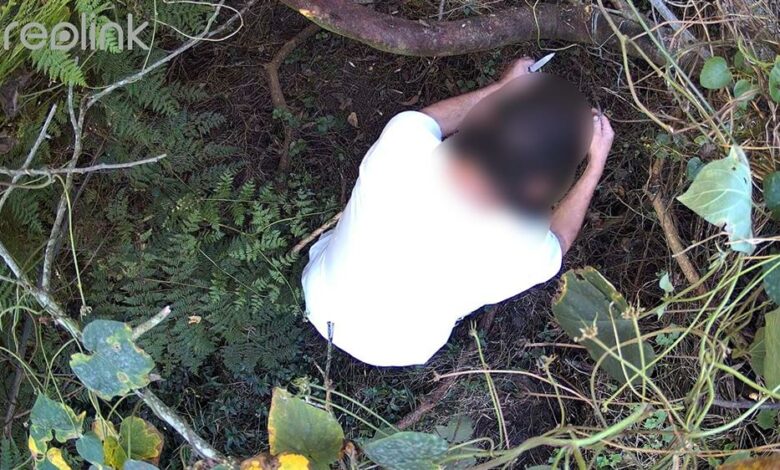
A recent incident in Denneoord, George, in which a suspected poacher was caught setting wire snares, has cast the spotlight on the often invisible threat of wildlife poaching and the cruel efficiency of wire traps.
George Herald reports that, according to Leon Rossouw of the Wildlife Crime Investigation Network (WCIN), the man was apprehended after a detailed two-month investigation, sparked by a community member’s Facebook post, that ended with a successful sting involving camera traps and co-ordination with local authorities.
The Facebook post that triggered an investigation
It all began on March 9 when a resident of George posted a photo on the Georgiete Staan Saam Facebook group of a snare he and his friend had found while hiking to Pepsi Pools.
They had heard an animal screaming and, upon investigation, discovered a small buck caught in the wire trap. After freeing the animal, they removed the snare and discovered three more in the immediate area.
Recognising the possible scale of the issue, Rossouw contacted the two men and visited the site.
“From experience, I knew there was a good chance more snares had been set. Many people remove snares when they find them, thinking they’re helping, and they are, in the short term. But to stop it, we need to catch the poachers who are setting them,” says Rossouw.
Following the trails and patterns
The men led Rossouw to the original game path, where he found another freshly set snare. Instead of removing it, he disabled it by tightening the loop and recorded its location. He noted a key detail – a small stick with a notch, used to hold the snare open, and a perfectly formed noose – clear signs of a skilled poacher with a consistent method.
“As I searched further, I found several more snares of the same design. Some had musk-flavoured pink sweets placed nearby, others had been smeared with buck dung used as bait,” Rossouw says.
He documented each trap, marked its location, and began working with the George CPF’s operational team.
Together, they installed camera traps near the sites, hoping to catch the culprit in action and build a strong legal case.
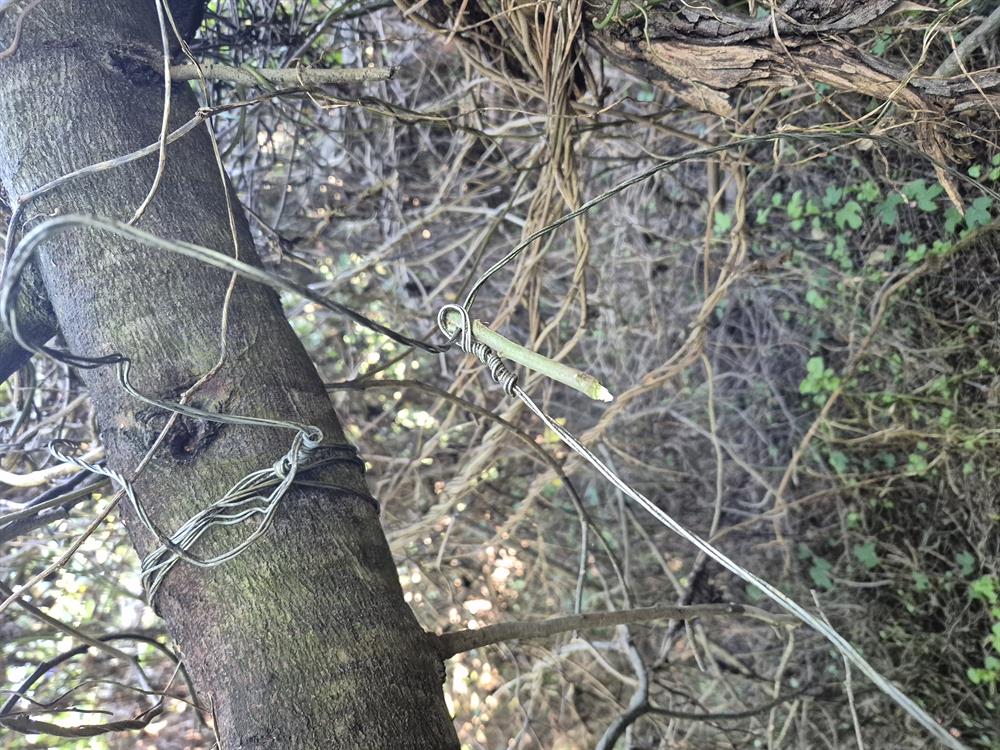
Caught in the act
Over the next two months, the camera traps consistently recorded the same person walking along the game trails, resetting snares and never removing them. On one occasion, Rossouw even found a walking stick near a snare and decided to wait. Minutes later, the man appeared, reset the trap, picked up the stick, and walked off – just 5m from Rossouw’s hiding place.
“It takes discipline not to jump out and confront someone in that moment,” Rossouw says. “But building a watertight case is more important than reacting emotionally.”
Camera footage once again alerted Rossouw and the CPF to activity near one of the snares, and they arrived in time to catch the man resetting a trap using his knife to cut a notched stick. “In one hand, he held fresh buck dung wrapped in leaves; in the other, the same walking stick seen in the camera footage,” says Rossouw.
The man was instructed to meet them at the George Police Station, after which CapeNature was contacted and opened a formal case. The suspect was fined R10 500, which has since been paid.

Snares the silent killers
Snares are cheap, silent and brutally effective.
“They’re often strung along game paths, at waterholes or in natural bottlenecks, places where animals instinctively pass through, making them easy targets,” says Rossouw.
He explains that each snare is more of a crime scene than merely a trap.
Under South Africa’s National Environmental Management: Biodiversity Act 10 of 2004 (Nemba) and provincial Nature Conservation Ordinances, setting or possessing a snare is illegal without permits. The way a snare is built – the material, knots, even bait – can all point to a specific poacher.
What to do if you find a snare:
• Do not remove it. Simply tighten the loop to disable it without disturbing the evidence.
• Take detailed photos of the snare and the surrounding area – look for footprints or animal tracks.
• Record the GPS location and report it to WCIN or your local conservation authority.
The ripple effect of snaring
The damage caused by snares stretches far beyond a single animal. Many die slow, painful deaths. Non-target species, including endangered predators and birds of prey, are often caught unintentionally. Over time, this method destabilises entire ecosystems and threatens biodiversity.
Snaring also has human consequences. Hidden traps have injured hikers and outdoor enthusiasts, and the loss of wildlife impacts eco-tourism and community heritage.
Fighting back with knowledge and vigilance
Rossouw says public awareness is key. “To stop snaring, we must understand it. Every wire tells a story – and with the right approach, that story can end in justice.
The WCIN continues to advocate for stronger surveillance, improved legislation and public involvement. Tools like camera traps are essential, but it’s often an alert citizen who makes the biggest breakthrough.
Report wildlife crime
Anyone who sees suspicious activity, snares or injured animals is urged to report it immediately. Contact WCIN on 079 643 9556 via WhatsApp or phone, or email report@wcin.org.za. All reports will be treated confidentially.

Breaking news at your fingertips… Follow Caxton Network News on Facebook and join our WhatsApp channel.
Nuus wat saakmaak. Volg Caxton Netwerk-nuus op Facebook en sluit aan by ons WhatsApp-kanaal.
Read original story on www.georgeherald.com

