
Fuel price surge puts strain on NSRI rescue systems
The National Sea Rescue Institute is prioritising critical operations and refining training as rising fuel costs strain readiness and prevention programmes.
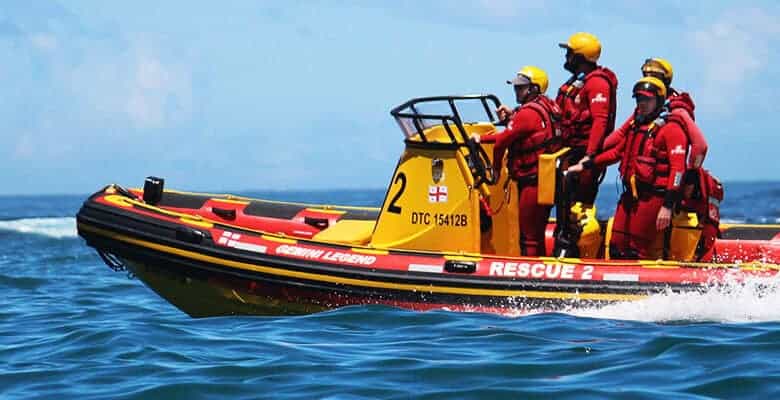
While the National Sea Rescue Institute (NSRI) will continue to respond to emergencies, the institute says rising fuel costs are expected to place growing pressure on the systems that make those rescues possible: Crew training, rescue craft readiness, response vehicles, and the delivery of water safety and survival swimming programmes in disadvantaged communities.
It cites current projections which point to a significant rise in both petrol and diesel prices, reports Berea Mail.
For the NSRI, where rescue vessels, vehicles, and training all depend on fuel, this will have a direct and material impact on its operations, including training, readiness, and prevention activities.
“We will never stop responding to emergencies,” says NSRI chief executive officer Mike Vonk.
“But if fuel costs rise this sharply, the pressure moves into the systems that keep our crews ready and our prevention work active, helping to save lives before emergencies happen.”
The NSRI’s latest reporting shows boat running costs exceeding R5.5m annually. Rising fuel prices could add significant additional cost pressures.
“Fuel doesn’t just power our boats,” adds Vonk.
“It powers every part of our ability to save lives – from training and readiness to prevention in communities.”
“There will always be fuel for rescues. That is non-negotiable,” says NSRI communications manager Andrew Ingram.
“But people may not realise how much fuel increases will affect a non-profit like ours, and those increases ripple through our training, prevention and readiness.”
To manage this responsibly, the NSRI is tightening fuel use, prioritising critical operations, and refining training to ensure every session delivers maximum value. Emergency response capacity remains fully protected.
Breaking news at your fingertips… Follow Caxton Network News on Facebook and join our WhatsApp channel.
Nuus wat saakmaak. Volg Caxton Netwerk-nuus op Facebook en sluit aan by ons WhatsApp-kanaal.
Read original story on www.citizen.co.za

