
Funds for ‘inhabitable’ Tshwane run shelter unallocated, as metro works for suitable accommodation
No.2 Struben shelter is said to house more than 270 men,100 women, 40 children, 15 elderly people, while 10 suffer with disabilities.
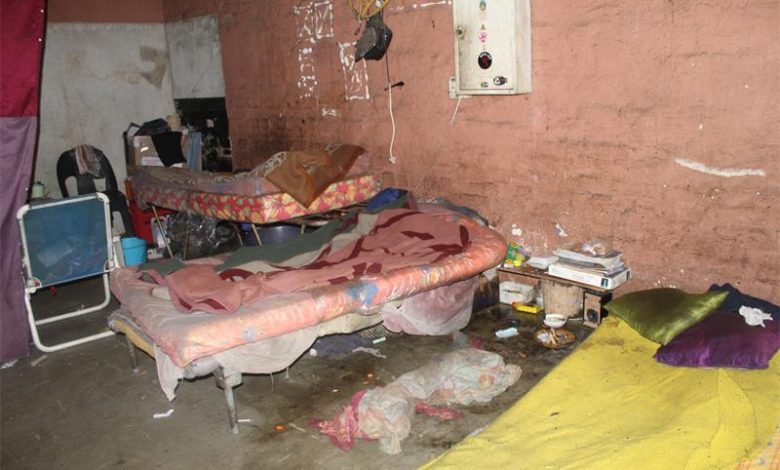
The R5-million which was earmarked for upgrades at a city-run shelter in Tshwane has been “un-allocated and reprioritised” to the fight against Covid-19, the metro has said.
Community and social development MMC Thabisile Vilakazi said the issues at the shelter could not be solved by the city alone.
Vilakazi said Struben Shelter had been declared inhabitable by the local fire department as well as social and health departments.
“However, residents are still staying there,” she said.
She said efforts to decommission the shelter were disturbed by the lockdown which had stopped all evictions.
“The shelter was supposed to face upgrades in the financial year 2019/20.
“Funds were allocated but the project could not take off because of having to look for alternative accommodation and the Covid-19 lockdown.”
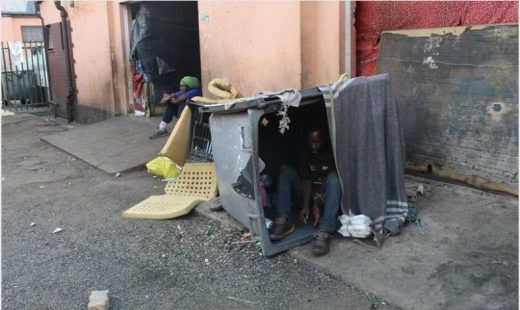
She said since the lockdown, the metro had set up a homeless unit to eradicate various problems when dealing with homelessness.
“Through this unit we were able to run a verification process at Struben shelter to assist with plans for proposals for the city to find alternative accommodation for homeless people.
“The metro conducted a verification of beneficiaries this year. The outcomes are that there are more than 270 men, around 100 women, 40 children, 15 elders and 10 people with disabilities.”
She said the residents were mainly people looking for employment and free housing or housing arrangements and were also willing to relocate.
“Various programmes to address substance abuse response, psychosocial support, skills development, referral for employment, access to identity documents and family reunification are run in partnership with NGOs and government departments.
“Through the city, Group Property had determined through its technical processes the costs that were needed for upgrades at the shelter, however, the R5-million which was allocated has been reprioritised to Covid-19 emergency-related projects,” she said.
“The process to relocate people is to first identify alternative accommodation for the residents starting with the vulnerable groups such as children, women, people with disabilities and the elderly.
“Residents need to be consulted as well. Various stakeholders such as Lawyers for Human rights and HRC. Once everyone is in agreement, residents will be relocated.”
Vilakazi said police and metro police were also constantly conducting patrols to curb criminals that had been plaguing the shelter.
“Currently, the metro’s homeless unit has also deployed social workers and site managers to constantly attend to issues at the shelter as and when there were urgent issues.”
She said the metro had also provided the shelter mattresses and cleaning supplies early this year.
“As and when residents need something, officials attend to it (mattresses, cleaning supplies), while the food is provided daily by NGO Kopano Manyano funded by Gauteng social development,” Vilakazi said.
Read original story on rekord.co.za

