
Gauteng government puts R87m aside to help the homeless
It is estimated that more than 25 000 people are homeless in Johannesburg and Tshwane alone.
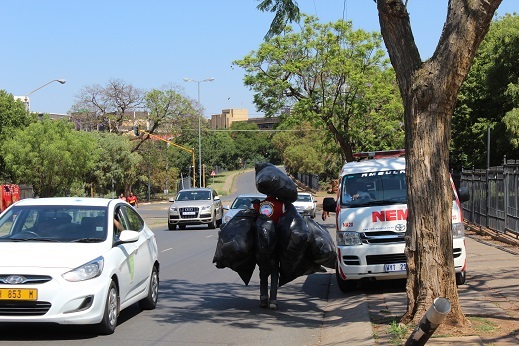
The Gauteng department of social development has budgeted over R87m to help the homeless in metros such as Tshwane and Johannesburg, which are home to the largest destitute population.
Department spokesperson, Feziwe Ndwayana said “the growing number of street homeless people remains a cause for concern for the government”.
“In Gauteng, it is estimated that the largest homeless population is in the Johannesburg and Tshwane metros, with over 25 000 street homeless people.”
Ndwayana said to deal with street homelessness, the department, as part of its mandate to care for vulnerable people, was tasked with finding a homeless temporary shelter.
She said Gauteng Social Development MEC Morakane Mosupyoe has budgeted R87 457 000, which has been allocated to municipalities to deal with homelessness.
Ndwayana said that the Gauteng government is funding 26 homeless shelters in the province.
“The department works in collaboration with municipalities in planning and implementing services for the homeless.”
She said the department had also launched park homes for the homeless and committed to giving the homeless, who are interested in being developed and upskilled, training.
“This is in line with the department’s efforts to assist its beneficiaries to exit the welfare system and attain self-sustenance.”

Ndwayana said that homelessness was a social phenomenon that could not be eradicated completely, however what remained critical was to have a well-functioning integrated system that could respond to needs as they arose.
Earlier in the year, Tshwane spokesperson Lindela Mashigo said the metro planned to renovate unused buildings and convert them into permanent homeless shelters.
These buildings were listed as 472 Pretorius Street, De Villiers Hof Building 521, 10th Avenue in Gezina, Matsepa primary school in Mabopane and ML Msezane middle school in Mamelodi.
“After renovations of such buildings have been completed, the buildings will be leased to NGOs to manage.”
Mashigo said the metro would soon invite NGOs to apply to manage these shelters.
He said this was delayed while the metro worked hard “to restore [its] financial liquidity”.
Renovations would begin as soon as the metro became financially stable or found a partner or donor to make funds available.
Mashigo said the metro currently owned two shelters in the Pretoria CBD and Lyttelton, Centurion.
“The other nine are owned and managed by NGOs.”
He said the purpose of shelters was to accommodate the homeless and offer skills development, psychosocial support, family reunification, food as well as connect the population to employment opportunities.
“Most shelters are located in the inner city while one is in Pretoria North and the other is in Lyttelton.”
Read original story on rekord.co.za

