
IEC announces municipal elections review
The feasibility of holding the municipal elections on the scheduled date of October 27 is to be reviewed in light of the Covid-19 concerns that have been raised.
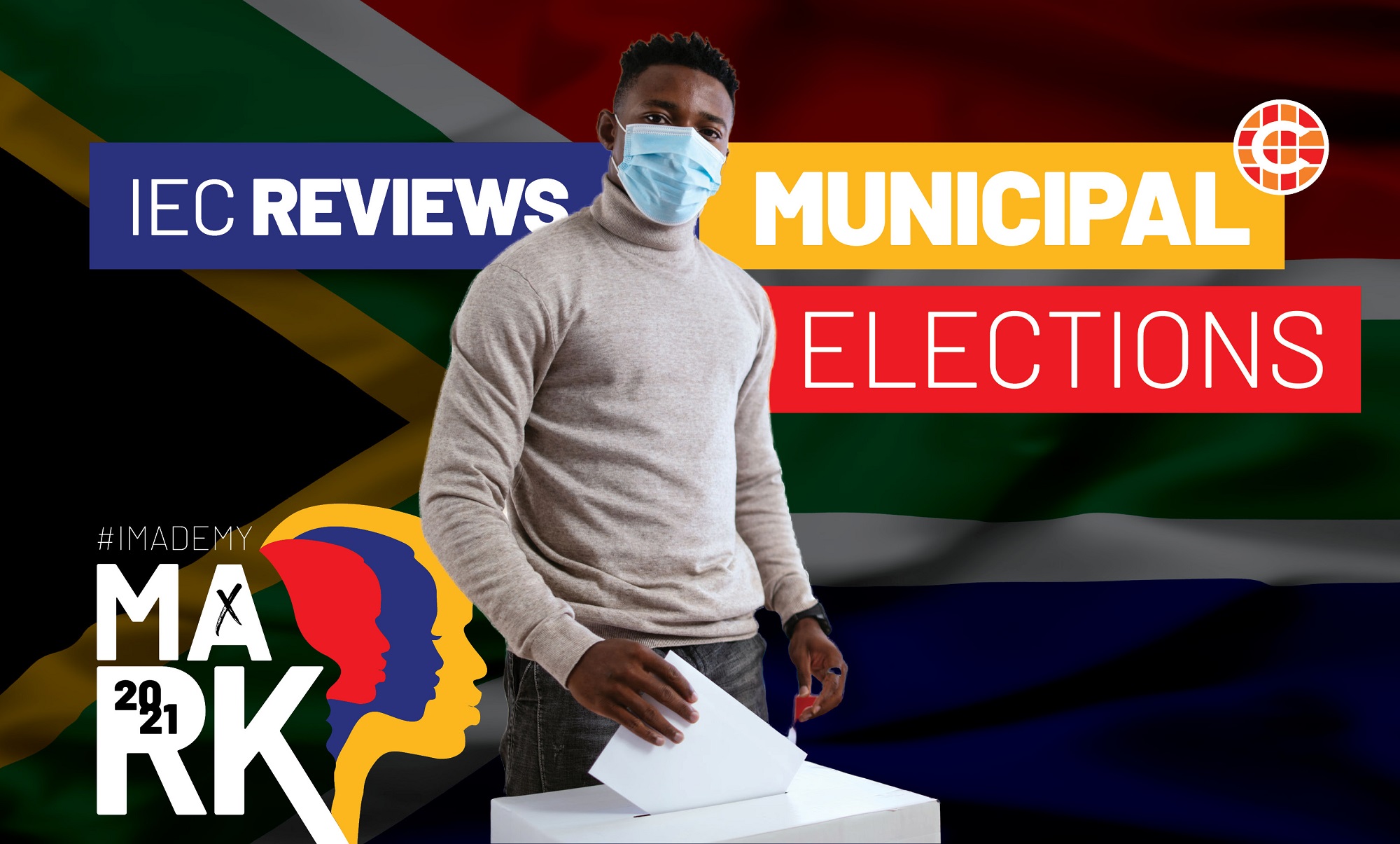
Retired deputy chief justice Dikgang Moseneke has been appointed by the Independent Electoral Commission (IEC) to lead a panel that will assess if it is possible to hold free and fair elections during a global pandemic.
IEC chairperson Glen Mashinini made the announcement at a media briefing in Pretoria this afternoon (Thursday). He said that while the IEC is satisfied that free and fair elections will be possible, it was decided that ‘additional insights and further possible mitigation measures to safeguard the integrity of the elections’ need to be considered.

The move follows concern by some political parties that the pandemic would make it difficult for the elections to take place on October 27, as announced by President Cyril Ramaphosa. According to the parties, the process would not be free and fair, given the Covid-19 constraints.
According to Mashinini, several by-elections held during the pandemic have shown that despite the challenges posed by Covid-19, the IEC has the ability to successfully manage the elections.
Other countries have also held free and fair elections during this time, said Mashinini.
“The Commission is acutely aware of the weight of its responsibility find the correct balance between protecting our constitutional democracy and protecting people’s lives. Under the current unprecedented circumstances, we should not shy away from using every tool at our disposal to make sure we meet these obligations,” he said.
For this reason, the IEC has appointed Moseneke to investigate and compile a report on whether the elections should go ahead.
Mashinini said the review will be done in terms of Section 14(4) of the Electoral Commission Act 51 of 1996.
According to the section: “The commission may, if it deems it necessary, publish a report on the likelihood or otherwise that it will be able to ensure that any pending election will be free and fair.”
Mashinini requested that political parties give their full support to the work of Moseneke, who was the deputy chairperson of the IEC in 1994.
The review will consider legal, social, health, and other relevant factors.
“We should remind ourselves that our Constitution provides clear guidance about our electoral process,” Moseneke said. This includes the stipulation that free and fair elections should be held every five years, within 90 days of the end of the previous government’s term.
“But today, as we prepare for our fifth local government elections, our democracy, and indeed all democracies in the world, face an unprecedented threat from the Covid-19 pandemic,” he said.
“Almost 80 countries have postponed elections over the past 18 months due to the Covid-19 pandemic, while a further 118 countries opted to proceed with elections. The responses of democracies around the world show that there is no right or wrong approach,” Moseneke added.
Our Constitution does not make provision for circumstances as unforeseen as the pandemic.
“It does, however, prescribe that elections must be free and fair. And as such, the key consideration cannot only be the timeframe, but we also have to make sure the elections meet the prescription of freeness and fairness,” Moseneke said.
He said our reaction to such an unprecedented crisis in the midst of a pandemic will have far-reaching consequences for our democracy and for our people.
According to Moseneke, he will establish an office on May 24 to consider and accept submissions from political parties and other stakeholders.
“The situation remains under observation. The commission is working alongside the government to monitor the Covid numbers. Should things get out of hand, the IEC will monitor and decide on whether the circumstances are conducive for elections,” Mashinini said.
Read original story on rekord.co.za

