
Illegal acts strain Gauteng electricity infrastructure – Eskom
The power utility says a shortage of mini-substations and transformers persists because of a high demand in faulty equipment that needs replacing.
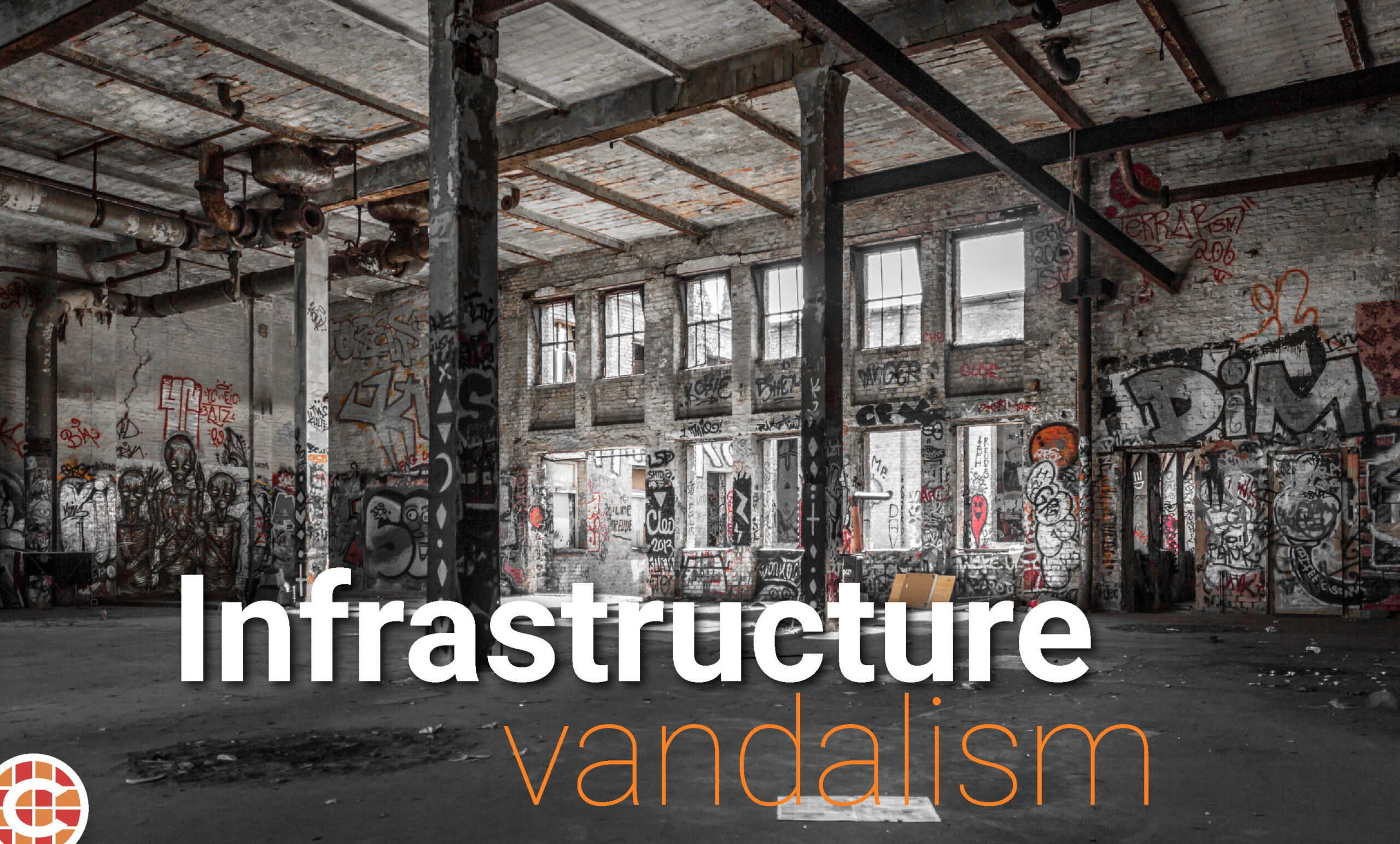
Eskom in Gauteng says it must continually replace mini-substations and transformers that failed or exploded because of theft, vandalism and network overloading. It has now implemented an audit process to determine why equipment failed, and to remove illegal connections and rectify faulty meters, before any repairs are done. Repairs to faulty equipment will also only be done once 60% of customers affected by it, have paid their bills.
In a press release, Eskom says the overloading is caused by illegal connections, meter tampering, unauthorised operations, non-payment and electricity token purchases from ghost vendors.
The power utility recently reported shortages of mini-substations and transformers because of the high number of failed and exploded electricity equipment that require repairs or replacement, making it difficult to meet the demand.
In a quest to curb the problem, Eskom says it implements control measures such as audits, maintenance, load reduction, education and awareness campaigns to avert failures that lead to unplanned and extended outages.
However, equipment still fail, mainly due to the illegal electricity related acts which are rife in Gauteng communities, the power utility claims.
“Over the years we repeatedly replaced and repaired failed infrastructure without an equipment replacement process.
“With the non-payments, debt levels, non-technical losses continuing to grow and the operational costs accelerating, the business takes further financial strain as we have to keep repairing, refurbishing or replacing infrastructure that breaks or is frequently vandalized.
“We have since intensified a process which is financially sustainable to ensure return on investment and also reduce infrastructure failures and prolonged outages,” says Daphne Mokwena, Senior Manager for Customer Services for Eskom in Gauteng.
She says the process to replace or repair failed equipment starts with a network audit to determine the cause of the failures and the extent of the damages. This is followed by the removal of illegal connections, fixing faulty meters and replacing damaged mini-substations and transformers depending on the availability of the required material, which remains a challenge at this stage.
The power utility says that to accommodate the customers that cannot immediately settle the R6 052 remedial fee, it has introduced the Deferred Payment Arrangement (DPA).
Customers are required to enter a DPA and make an initial minimum payment of R500. The balance can be paid over a maximum period of six months.
Eskom says it will start the process of restoring the power supply when a threshold of 60% of the payment has been made by customers supplied from the same affected equipment.
“Communities are in a position to avoid premature equipment failure resulting in unplanned and extended outages by refraining from conducting illegal electricity related acts.
“We also urge members of the public to report criminal activities such as illegal connections, theft and vandalism of electricity infrastructure to the authorities or to the Eskom Crime Line on 0800 112 722”, says Mokwena.
Read original story on lowvelder.co.za

