
In this Centurion home, the classroom does not have 4 walls
From iced coffee and Bible discussions to musical theatre and science lessons in the garden, a Pretoria family is embracing the freedom of homeschooling.
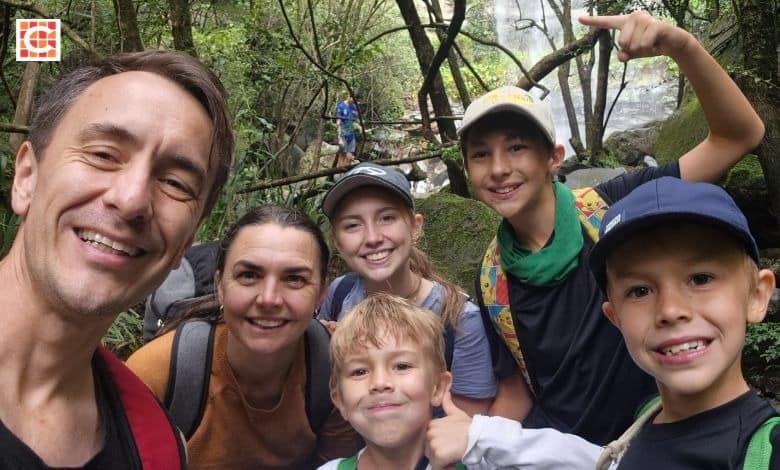
There are no school bells or conventional classrooms in the Van Biljon household in Centurion. Instead, learning happens everywhere.
Fourteen-year-old Lisa sleeps in. She is growing and needs her rest, after all. Her younger brothers perfect their crafts, whether churning out their own tunes on the piano or practising a few gymnastic moves.
At 10:00, Mom Corlia settles on the porch overlooking their lush green garden. The children make themselves iced coffee before starting their first subject of the day, which she calls Worldview and Logic.
“It entails Bible studies. We argue, develop our own critical thinking skills and, sometimes, laugh so hard that our stomachs ache,” says Corlia.
Corlia says they recently discussed the biblical book of Song of Solomon. The boys, she says, blushed, but she saw the discussion as a form of sex education, using it to teach her children that love should be pure and that a child cannot be ready for love before the time is right.
She and her husband, Frikkie, are among thousands of South African parents who have chosen to homeschool their children. Online schools and home education programmes are mushrooming as more parents move away from traditional schooling in search of greater freedom and flexibility for their children.
A December 2023 research report by Dr Renuka Ramroop, published by the Learning Society Institute, estimated that about 300 000 children in South Africa were homeschooled. However, no reliable, up-to-date national figures are available.
While homeschooling was frowned upon 30 years ago, attitudes have changed considerably. Even educational psychologists who were initially sceptical have come to recognise its potential benefits, although it is not necessarily the right fit for every child.
Flexibility to suit circumstances
Dr Santa Josling, an educational psychologist from Waterkloof in Pretoria, says her perspective changed when her own daughter left conventional schooling in Grade 10 to pursue home education.
Her daughter was a gymnast with a demanding training schedule and had also been involved with the Proteas team. Balancing her sporting commitments with conventional school became increasingly difficult.
“Homeschooling was definitely an advantage because she could use her time in a way that suited her circumstances,” Josling says.
Her experience also challenged her perception that homeschooled children would become isolated and struggle to adapt to the wider world. “There are so many activities available to them,” she says.
Corlia agrees with Josling’s assessment.
“We considered homeschooling during the Covid-19 pandemic when our children were forced to attend online classes. The twins, Thomas and Jonathan, were only two years old at the time,” she says.
Corlia, who holds degrees in Physiology and Psychology as well as a Higher Education Diploma, was a stay-at-home mom when Frikkie suggested she homeschool their children. Her immediate reaction? Bring it on!
The twins are now eight, Gideon is 12 and Liza is 14, and all four are flourishing, she says.
“We give our children the space to explore and discover their own talents, even in boredom.”
Frikkie laughs. “We don’t know the art of being bored any more. When our children are bored, they explore. They sit down at the piano and experiment, and all four of them have now mastered the instrument,” he says.
Frikkie works full-time as a software architect and holds a BSc in Information Technology. He is also a part-time singer and music producer.
Corlia takes us on a tour of their home in Dooringkloof, her cellphone camera capturing the different spaces that have become classrooms in their own right.
In the kitchen, she teaches the children cooking and baking, which she considers essential life skills.
The garden is their laboratory, where the world of insects, vegetables and flowers is carefully studied and explored.
The bookshelves, overflowing in the living room, serve as their library, where the children can pick and choose their own reading material.
But Corlia reminds us that they still follow a strict curriculum, albeit with a more relaxed routine than conventional school hours. The family follows a Christian-based curriculum, with even scientific subjects taught from a Christian perspective.
Corlia is also well aware of her own limitations as a teacher. The family employs tutors to assist with subjects such as high school mathematics and English.
Frikkie says one advantage of homeschooling is that parents can choose tutors who suit their children’s needs. “We have friends who are good at creativity and languages. We assist one another with our children.”
Different children, different classrooms
Josling believes the flexibility of home education can benefit children whose individual needs are not adequately accommodated in traditional classrooms.
Conventional schools, however, still offer advantages that should not be overlooked. “Schools provide a fixed routine. There are set starting times, lessons, breaks and expectations. That structure can be beneficial,” she says.
For some children, particularly those who struggle with certain challenges, predictable routines and clear expectations can provide valuable support.
Homeschooling offers greater flexibility, allowing children to work according to their individual needs and schedules. However, children in conventional schools also learn to follow rules, wait their turn and work towards goals rather than expecting immediate rewards.
Josling says school culture and a sense of belonging could also play an important role in a child’s development.
“Being part of a school community gives children opportunities to interact with people from different backgrounds and personalities. They also learn to function within groups, manage conflict and navigate difficult social situations.”
Traditional schooling, she adds, further provides opportunities to develop leadership skills through positions such as prefects and membership of learner representative councils.
“These are valuable life skills, although they are not always easy to learn,” she says.
Children also encounter challenges such as bullying and conflict at school. With appropriate guidance, these experiences can help them learn to deal with difficult situations and different personalities.
Josling cautions against assuming that homeschooled children do not socialise, as they can interact with others through organised activities and homeschooling groups.
“However, she says, the opportunities and environments in which they develop these skills may differ from those offered by conventional schools.”
Finding their own community
According to Corlia, the homeschooling community in Centurion is thriving.
“On Fridays, we have social days. The children either busy themselves with crafts or just play. We also have a homeschool choir, and all my children are part of it. Then there is also homeschool athletics,” she says.
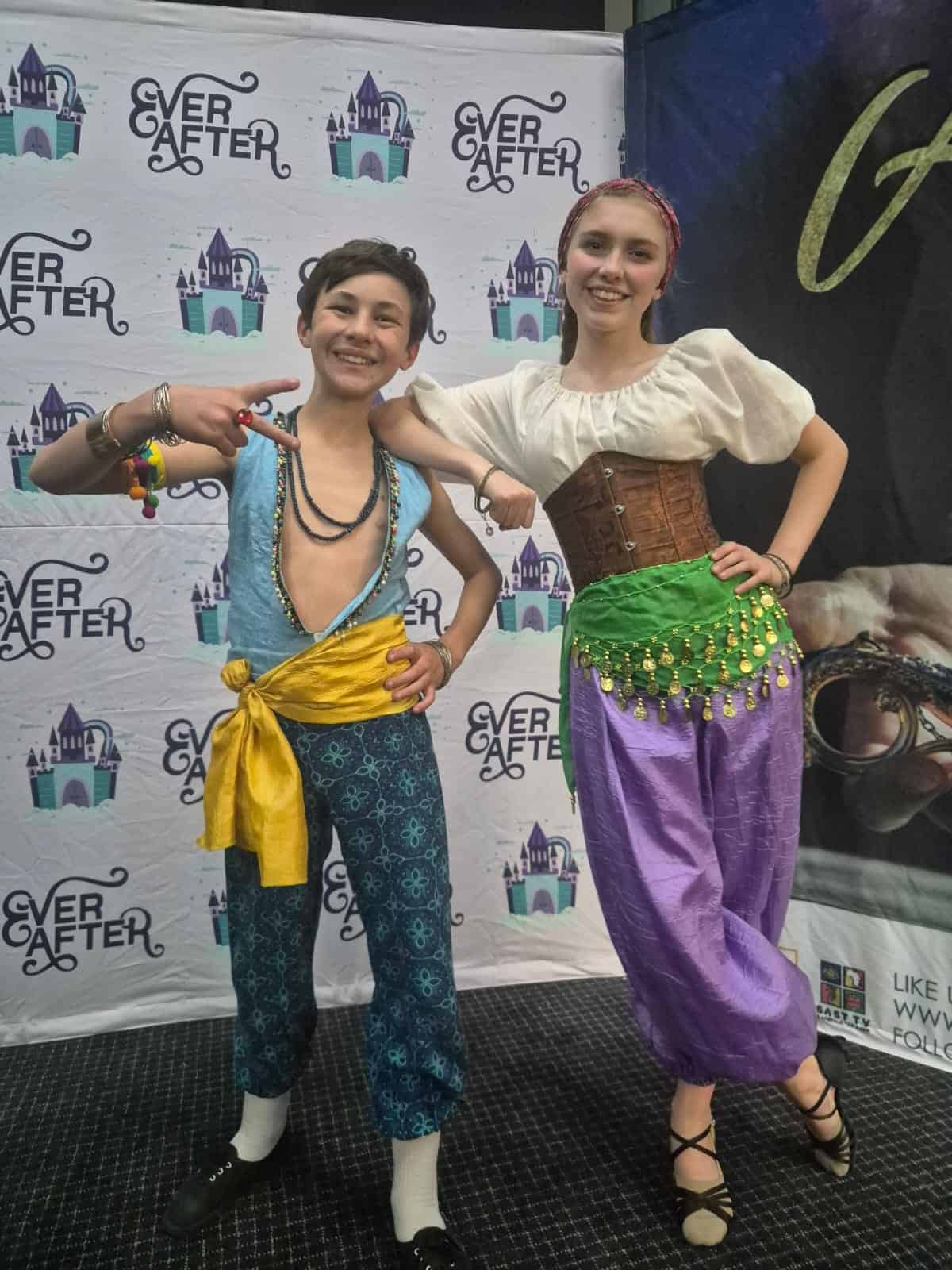
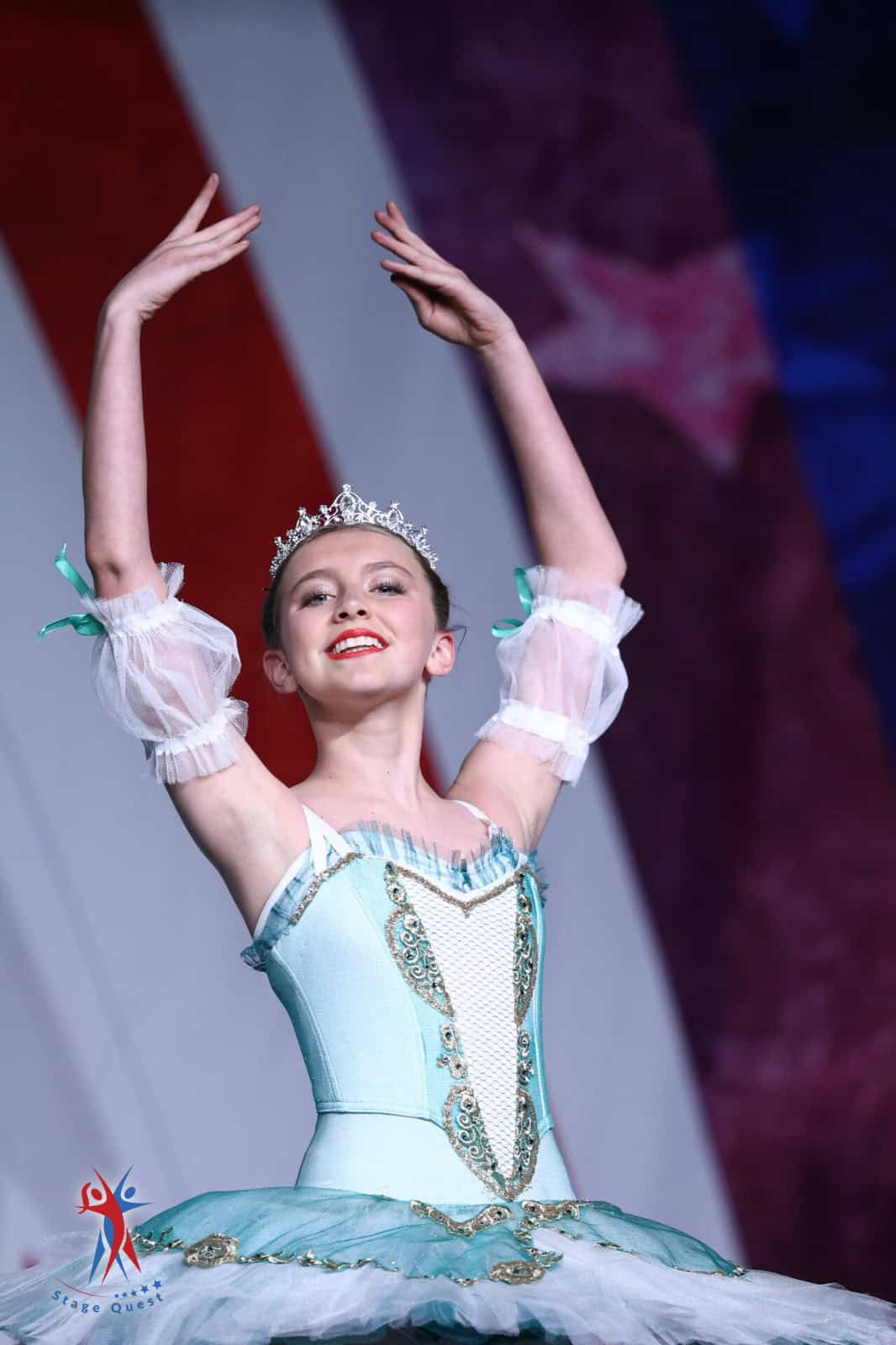
All four children participate in numerous extracurricular activities, with the flexibility to pursue their interests and develop their talents. These include gymnastics, ballet, jazz and contemporary dance, as well as musical theatre and revue performances.
Gideon, for example, is a child actor who performs in musical theatre productions. He has already spent about 60 days this year attending rehearsals or performances.
“But he always does his schoolwork. A normal school would not give him the freedom to do that,” Corlia says.
Frikkie also believes homeschooling allows parents to introduce practical and even financial skills from an early age.
Homeschooling is not necessarily the cheaper option. Frikkie admits that while the educational component can be less expensive, the additional activities and opportunities come at a cost.
“It can sometimes cost more than normal schooling. All the extras cost money. But at the end of the day, it is hard to say which option costs the most. Private schools are more expensive than government schools,” he says.
A different kind of growing up
When Lisa wakes up, she busies herself with one of her many books.
She has a book for everything from scribbling and note-taking to thoughts and emotions. She even has a book to keep track of all her other books.
It is her way of navigating the often confusing teenage years.
And perhaps this is where the Van Biljons’ approach to education becomes most apparent.
“There is no school bell dictating when Lisa must wake up, no conventional classroom telling the boys when to put down their instruments, and no rigid timetable determining when curiosity must take a back seat,” says Corlia.
Instead, there is a garden to explore, a piano to experiment with, books to get lost in and a family that makes learning part of everyday life.
For the Van Biljons, the classroom is not necessarily a place. It is wherever the next lesson happens to find them.
Breaking news at your fingertips… Follow Caxton Network News on Facebook and join our WhatsApp channel.
Nuus wat saakmaak. Volg Caxton Netwerk-nuus op Facebook en sluit aan by ons WhatsApp-kanaal.
Read original story on www.citizen.co.za

