
Increase in extreme weather events forcing SA farmers to adapt
According to the South African Weather Service, the number of hot days have become more frequent, while cold days have decreased.
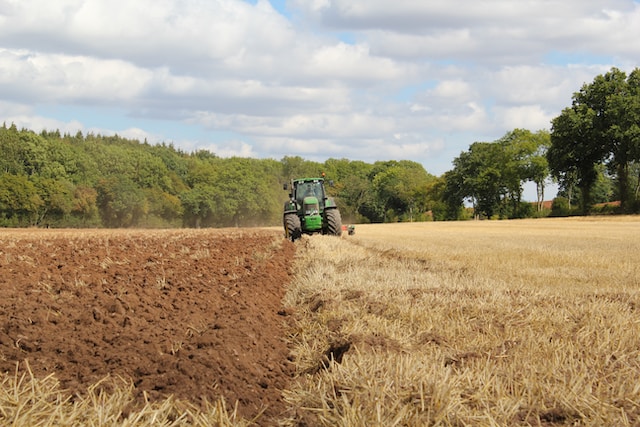
The increase in inclement weather conditions has forced farmers to adapt their farming practices in order to thrive in the face of extreme weather conditions.
Kaitlynn Kauerauf of Bramleigh Farm said that they have also been affected by the harsh weather and they have had to find ways to prevent losses.
“We have an underpinning philosophy of building topsoil to ensure that the land is not damaged,” said Kauerauf.
Kauerauf added that it required creative thinking in order to protect themselves.
“To ensure that the land is not damaged and maintain animal welfare has required some creative thinking and adaptability, but not changing our methods.”
“We have had to change what we farm and be creative in how we do it given these conditions. For example, we had to stop our outdoor broiler production for most of spring and summer because of the wet weather. We also have had to treat for parasites more than in other years,” said Kauerauf.
According to the South African Weather Services (Saws), inclement weather has been on the rise.
South African Weather Services
Musa Mkhwanazi, spokesperson from the Saws, said that weather changes have been more rapid.
“In general, over the long term, the weather has gradually become hotter due to global warming, which has also affected the surface temperatures in South Africa.
“Therefore, hot days have become more frequent while cold days less so,” he said. La Niña, which translates to “little girl” in Spanish, is a weather phenomenon that causes colder temperatures for countries in the southern hemisphere.
Mkhwanazi added that rainfall has become more extreme.
“Summer rainfall regions have experienced above-normal rainfall conditions associated with the La Niña phenomenon.
“The long-term rainfall records show that rainfall has become more extreme in general — this observation is, however, associated with climate change, and not the La Niña events that we have experienced recently,” he said.
Agricultural field expert
Professor Julia Sibiya, an expert in the agricultural field with decades of experience, said farming methods and farmers need to adapt in order to thrive in the farming field.
“Both commercial and smallholder farmers can adopt one or more of the following strategies in order to help them survive the harsh weather conditions,” she said.
“Plant early-maturing [short-season] varieties, heat and drought tolerant varieties, nitrogen- and water-use efficient crop varieties, varieties resistant to existing and emerging pests and diseases due to climate change, crop diversifications include adapted underutilised/indigenous crop species, multiple (mixed) cropping, adjust planting dates — dry planting and early planting as a coping mechanism, use livestock breeds that are well adapted to high temperatures and harsh environments.
“Artificial Intelligence e.g., use drones and advanced image data analytics for early identification of pests and diseases. Make use of meteorological data to predict rainfall or drought, pest infestations etc, and therefore know when to plant or intervene with a control measure.”
Calls for government to help
Sibiya also called for the government to help farmers when they are adversely affected by harsh weather. “There should be some disaster relief given to farmers when they face droughts, floods or any other climate-related disaster.
“However, this should not stop at relief provision only. Government should invest more into prevention and mitigation strategies for floods and other disasters, including insurance matters for farmers.”
Sibiya added that the government should invest in better farming technologies.
“There should be more investment into research and development of climate-resilient strategies as well as early warning systems that can allow farmers to prepare for harsh weather conditions.”
Sibiya said that people needed to be made aware of the plight that farmers face.
“People should be made aware of the importance of agriculture and farmers in the food chain. “It’s sad that many people just think that their food comes from the supermarket and are not aware of the role of farmers and climate in food security,” he said.
She added that people can help farmers in their dark times.
“I am certain that if people and many NGOs are aware of the value of farmers, they will quickly mobilise themselves as they always do in the face of other disasters, to assist affected farmers in both cash and in kind for them to be back on their feet as the majority of farmers do not have agricultural insurance,” said Sibiya.
MEC for Agriculture and Rural Development
The MEC for Agriculture and Rural Development, Super Zuma, said the government was aware of the struggles that farmers face due to climate change and inclement weather.
“In some instances, the timing and amount of rainfall has become unpredictable, making it difficult for farmers to plan and manage their cropping programme,” said Zuma.
Read original story on www.citizen.co.za