
Johannesburg’s hidden crisis: Municipal records in jeopardy as petition sparks citywide uproar
Johannesburg’s vital municipal records, files that protect property rights, legal clarity, and the city’s future lie exposed in a decaying building.
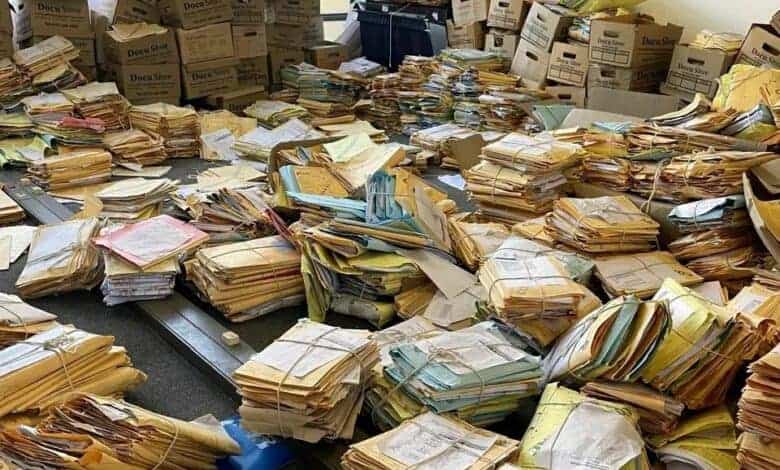
Thousands of Johannesburg residents have rallied behind a petition demanding urgent protection for crucial municipal records left unsecured in the condemned Metro Centre.
The campaign, initiated by Heather Trumble, a former assistant director in the city’s building control department, highlights growing concerns about property rights, legal clarity, and government transparency.
Vital documents left vulnerable
The Metro Centre, once the administrative heart of Johannesburg, now stands empty and decaying, yet it still houses decades of vital documents. These include building plans, zoning permissions, servitude diagrams, legal archives, and more files essential to understanding the city’s infrastructure and governance.
After the building was evacuated due to safety risks, over 3 000 municipal staff relocated, leaving these records exposed to environmental damage, pests, and potential theft.
Recent visits by Gauteng Legislature committees confirmed the alarming state of neglect. Files were found dumped in heaps, damp-stained, and stored without climate control or security measures.
Despite this, no formal audit has been completed.
Petition gains traction
Within 72 hours of the petition’s launch, over 2 400 signatures poured in from residents, professionals, and civic organisations demanding immediate action.
Trumble stressed the stakes: “These records aren’t just paperwork; they hold the legal DNA of Johannesburg. Without them, homeowners, developers, and planners face enormous risks. There is no proof of property boundaries, no record of flood risks or infrastructure lines. It’s a threat to every resident’s home and investment.”
The petition calls for three urgent steps:
- Physically safeguarding the documents,
- Relocating them to secure, fire-safe archives,
- And a comprehensive digitisation programme to preserve access long-term.
In response, the City of Johannesburg has announced several measures: The Development Planning Department reopened in Newtown on June 25, a Transactional Advisor has been appointed to oversee Metro Centre redevelopment, and a procurement process for scanning and digitising all records will conclude by July 31.
Security at the Metro Centre has been increased with armed guards and fencing.
However, critics warn that improved security won’t prevent damage from damp, dust, or pests. The fallout of inaction could be severe, including illegal land use, legal disputes, and loss of proof for property ownership.
Councillor Tim Truluck supports the petition and urges the public to maintain pressure on the city. “Accountability doesn’t end with announcements,” he said. “It begins there.”
Johannesburg’s residents can support the petition here.
This crisis underscores a broader challenge for the city’s governance: Protecting the records that safeguard residents and the city’s future.
Read original story on www.citizen.co.za

