
Lioness that crossed international borders gives birth in KNP
After a remarkable journey across Zimbabwe and South Africa, a lioness has given birth in the Kruger.
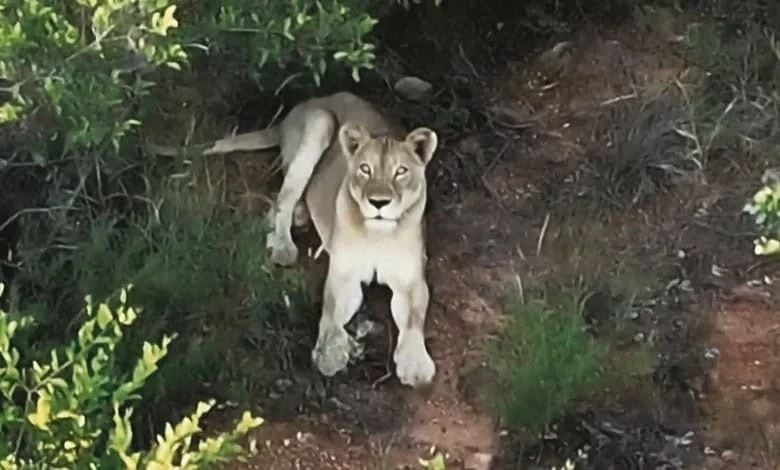
A lioness that survived human-wildlife conflict, crossed an international border and travelled between several game reserves has given birth to a litter of cubs in the Kruger National Park (KNP), marking a positive outcome for a conservation relocation project.
From problem animal to conservation success
The lioness’s journey began at Mthimkhulu Game Reserve, where she was captured after coming into conflict with surrounding communities and killing donkeys, reports the Letaba Herald.
Lions that prey on livestock are often classified as problem animals and face the risk of poisoning, snaring or being put down.
To protect both the lioness and nearby communities, the Endangered Wildlife Trust (EWT), together with the Limpopo Department of Economic Development, Environment and Tourism, SANParks, Mthimkhulu Game Reserve, Letaba Ranch and Wildscapes Veterinary Services, arranged for her and her pride to be relocated to the northern KNP.
However, her stay in the park did not go as planned. A few months after the relocation, the lioness crossed the Limpopo River into Zimbabwe, where she spent several months roaming through the Sengwe Corridor.
She eventually moved south towards Musina before crossing the flooded Limpopo River back into South Africa and making her way to Maremani Game Reserve.
Her presence near local communities raised concerns about the potential risks of having a large predator in the area.
Following consultations between SANParks and Ledet, it was decided that she should be returned to the KNP.
With the help of veterinarians, landowners, government authorities and conservation teams, the EWT successfully darted the lioness and safely transported her back to the park.
A new beginning in Kruger
The lioness’s return has now yielded encouraging results, with an EWT field officer confirming that she has given birth to a new litter of cubs.
Her successful relocation and subsequent breeding highlight the importance of monitoring wildlife movements, particularly when large predators move beyond protected areas and across international borders.
Eleanor Momberg of the EWT said the lioness’s journey demonstrated the value of tracking technology and collaboration in carnivore conservation.
“Without the GPS collar, following her journey across reserve boundaries and an international border would have been incredibly difficult. It allowed us to monitor her movements and coordinate interventions to give her another chance,” she said.
The case also highlights the challenges of human-wildlife conflict and the need for cooperation between conservation organisations, landowners and government authorities to support coexistence between people and wildlife.
Hope for lion conservation
As apex predators, lions play an important role in maintaining healthy ecosystems. The birth of the cubs is an encouraging development for the relocated lioness and her future contribution to the species.
Breaking news at your fingertips… Follow Caxton Network News on Facebook and join our WhatsApp channel.
Nuus wat saakmaak. Volg Caxton Netwerk-nuus op Facebook en sluit aan by ons WhatsApp-kanaal.
Read original story on www.citizen.co.za

