
North Coast has 3 air quality monitoring stations, but these provide no data
Dolphin Coast Conservancy chairperson, Di Jones said poor air quality was of grave concern, particularly close to residential areas, where people may have respiratory problems and other health issues.
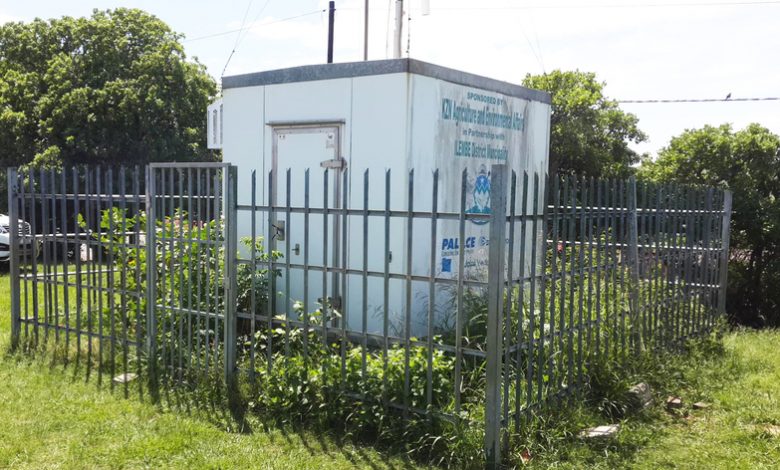
In the face of rising public concern over air quality on the North Coast, environmental campaigners have accused regulatory authorities of failing to monitor air quality.
In recent months, residents have complained about nasty smells but detailed assessments of air pollution are not available from the iLembe District air quality management unit which is responsible for monitoring air quality.
According to the KZN Department of Economic Development, Tourism and Environmental Affairs (EDTEA), 3 air quality monitoring stations were installed in KwaDukuza CBD, Mandeni and Ballito.
The installation of a continuous air monitoring station in Ballito at the Enterprise iLembe offices towards the end of 2018 was welcomed by residents who have complained for years about the air quality, especially during sugarcane burning season.
One of the objectives was to determine whether air pollutants do spike to unacceptable levels during the burning season.
This included testing for pollutants generated by burning cane.
However, fire protection officer for the North Coast, Peter Harris, whose job is to ensure the code of practice (COP) for the burning of sugarcane is followed by the region’s farmers, said he has been unable to draw any data from the monitoring station.
“Since I took up the post on the North Coast almost 2 years ago I have not been able to obtain any data readings, despite numerous requests to view the data.”
Monitoring stations are used to collect data detailing pollutants.
This is used to acquire baseline air quality data for specific areas and identify areas of concern.
Environmental groups have accused the department of not supplying any information because the monitoring stations are not producing any data.
It seems the department also has a shortage of suitably trained personnel to interpret the data.
It is a legal requirement in terms of the Air Quality Act of 2004 for the provincial authority to monitor ambient air to ensure that prescribed standards are not exceeded and to protect the public’s right to a healthy environment.
By law all municipalities are required to establish and implement air quality management plans and include them in their integrated development plan (IDP).
But, lack of capacity and resources have made compliance and enforcement almost non-existent.
Dolphin Coast Conservancy chairperson, Di Jones said poor air quality was of grave concern, particularly close to residential areas, where people may have respiratory problems and other health issues.
“Locally, the only data we have available has been sourced by private bodies, such as Home Owners Associations and businesses such as Siza Water and Dolphin Coast Landfill.
“We have a very vigilant air quality monitoring group, which reports regularly and in a scientific format.
“This data is collated and forwarded to the authorities by the volunteers.
“Despite many months of attempting to get regulatory authorities involved by pointing out several areas of possible pollution which is leading to the air quality problem, we still await answers.”
At an environmental affairs portfolio committee meeting at the end of last year, Dr Patience Gwaze, Special Technical Advisor for the department, reported that a lack of capacity and funds to manage and maintain the monitoring stations had resulted in non-operational stations, particularly in KZN.
Power failures had also reduced data recovery and damaged the technical equipment.
Air quality officer at environmental organisation, South Durban Community Environmental Alliance (SDCEA), Bongani Mthetwa said about 80% of the monitoring stations in the province had not been operational in the past 8 years and many air quality monitors had not reported any data since 2013.
Warren Erasmus from the North Coast Air Pollution Facebook public group told the Courier that in the past 3 months they had received more than 400 air complaints from residents in the region.
The group, which was started this year, has about 600 members.
“At a recent iLembe odour committee meeting with stakeholders we were told that the software in the monitoring stations needed to be updated before any readings can be done.
KZN EDTEA communications manager Zee Nqalawas was not available for comment.
Read original story on northcoastcourier.co.za

