
Paramedic explains how to handle suspected spinal trauma
A bakkie driver who walked away uninjured after colliding with a bus later developed severe pain, highlighting the hidden dangers of accident trauma.
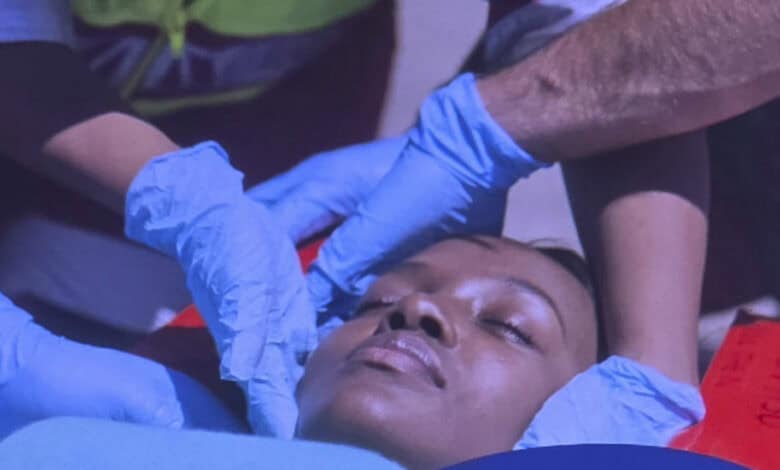
When a spinal injury is suspected, the priority is to stay calm, summon help and minimise unnecessary movement. However, if the injured person is not breathing, cannot maintain an airway or faces immediate danger, lifesaving action takes precedence.
According to Parys Gazette, Jason Jaftha, an emergency care technician at ER24 West Metro, has attended trauma cases involving vehicle collisions, falls, and sporting and extreme sports injuries. He shares what bystanders should know while waiting for paramedics.
Recognising warning signs
Always consider the possibility of spinal injury after significant trauma, particularly following a high-energy impact such as a motor vehicle collision, serious fall or sporting injury.
Possible warning signs include:
- Neck or back pain
- Tenderness along the spine
- Numbness or tingling
- Weakness or loss of sensation
- Difficulty moving the arms or legs
- Difficulty walking or maintaining balance.
However, spinal injury is not always immediately obvious.
“Someone may be conscious, talking, walking and initially say they feel completely fine,” says Jaftha.
He recalls attending a serious motor vehicle collision in which an elderly man’s double-cab bakkie had been struck by a bus and rolled. When paramedics arrived, the man was standing next to the vehicle and insisted that he was fine.
Because of how the injury happened, the team took spinal precautions and transported him for further assessment. Once the initial adrenaline and activity surrounding the incident had settled, he began experiencing pain.
Being able to stand or walk after an accident does not automatically rule out a serious injury.
Actions in the first 5 minutes
Before approaching, check for hazards such as moving traffic, fire or an unstable environment. Do not put yourself in danger while attempting to assist someone else.
Once it is safe, get emergency assistance and reassure the injured person that help is on the way.
If the person is in a safe position, encourage them not to move unnecessarily.
If there is a reasonable suspicion of a neck or spinal injury, a bystander can gently support the person’s head by placing their hands on either side of the head, around ear level. This helps discourage unnecessary movement while waiting for paramedics.
Do not force the head or neck into a different position or attempt to straighten it.
Jaftha also stresses the importance of explaining what you are doing before touching the person: “I’m going to gently hold your head still while we wait for the ambulance. Please try not to move your neck. Help is on the way.”
Clear communication can help the injured person remain calm and avoid unnecessary movement.
Actions to avoid at the scene
If you suspect a spinal injury, do not move the person unless there is a compelling reason to do so.
Never:
- Pull them to their feet
- Sit them up unnecessarily
- Try to straighten their neck
- Force their head into a particular position
- Assume they are uninjured because they say they feel fine.
The goal is not to try to correct the spine yourself. It is to keep the person as still as possible until trained medical help arrives.
When movement becomes necessary
There are circumstances where moving a person with a suspected spinal injury is necessary, for example:
- They are in immediate danger, such as exposure to fire or moving traffic
- Their airway cannot be maintained
- They have a life-threatening airway obstruction
- They are not breathing normally and require CPR
- Another immediate threat puts their life at risk.
The distinction is important: Avoid movement, but do not allow a suspected spinal injury to prevent lifesaving action.
“A suspected spinal injury should never prevent a bystander from taking appropriate action to save someone’s life,” says Jaftha.
Unconscious or non-breathing patients
If someone is unconscious but breathing normally, and their airway can be maintained in their current position, try to keep them still and monitor them while waiting for emergency assistance.
If they vomit, develop an airway obstruction or can no longer maintain their airway, protecting the airway becomes your priority. Follow the emergency call operator’s instructions and move the person if necessary.
If someone is not breathing normally, begin appropriate CPR, following the call operator’s guidance.
The same principle applies to a life-threatening airway obstruction.
“You cannot protect a spine at the expense of losing a life,” says Jaftha.
Information emergency services need
When calling for help, explain as clearly as possible what happened, how the injury occurred, and whether:
- There was a fall, collision or significant impact
- The person lost consciousness
- They have neck or back pain
- They have numbness, tingling or weakness
- They can move their arms and legs
- They have already been moved
- There are hazards at the scene.
The mechanism of injury – in other words, the specific way the trauma occurred – and your observations help emergency personnel assess the situation before arriving.
Debunking the immobility myth
One common misconception is that a patient with a suspected spinal injury must never be moved.
While unnecessary movement must be avoided, lifesaving action takes priority when someone cannot breathe, cannot maintain an airway or remains in immediate danger.
Essential takeaways
After a serious accident, remember:
- Make the scene safe
- Get help
- Keep the person calm
- Minimise movement
- Monitor their breathing
- If their airway or breathing is compromised, act to save their life.
Jaftha explains that bystanders do not need to perform complicated medical procedures while waiting for paramedics: “Sometimes the most valuable things you can do are to remain calm, reassure the injured person, prevent unnecessary movement, and provide accurate information to emergency services.”
Breaking news at your fingertips… Follow Caxton Network News on Facebook and join our WhatsApp channel.
Nuus wat saakmaak. Volg Caxton Netwerk-nuus op Facebook en sluit aan by ons WhatsApp-kanaal.
Read original story on www.citizen.co.za

