
Tshwane floods: East residents pick up the pieces amid a litany of unfulfilled promises
The string of informal settlements around the banks of Moretele river in Mamelodi, were first hit by floods in 2019, and promises of relocation were made by different government stakeholders.
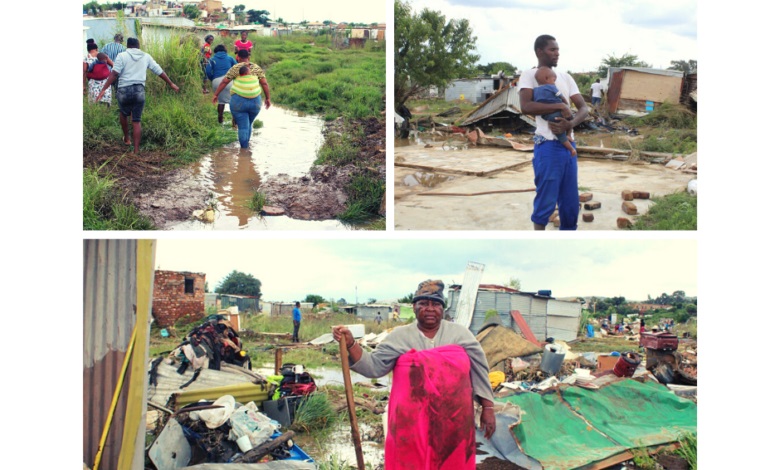
A halt to the relocation of hundreds of residents constantly affected by floods in Mamelodi, stems from investigations on over-pricing and possible corruption of land purchase deal worth millions of rands by Tshwane metro.
This weekend’s heavy rains once again shed the spotlight on the heart-wrenching scenes of hundreds of people’s homes damaged and this time around a life lost in the Mamelodi flooding.
The string of informal settlements dotting the riverbank of the Moretele river was first hit by floods in 2019, and promises of relocation were made by different government stakeholders.
Tshwane human settlements MMC Abel Tau said the relocation of the residents was halted in 2020 when the councillors raised concerns over a land purchase deal, flagging issues of overpricing and possible corruption.
The purchase of the land in question was done by the temporary administrators who led the metro between (March-September 2020).
Head administrator Mpho Nawa previously said a large portion of the R493.2-million human settlements money reprioritised for Covid-19 relief was used to purchase the land.
When councillors went back to council in October 2020, they called for a probe into the land purchase deal and the process was halted.
“The mayor and mayoral committee found the land was overpriced, possibly corrupt and they decided to investigate the process. There is litigation into that matter,” Tau said.
“I intend to find a way around this matter because litigation can take years while people die out there.”
While the metro is currently reportedly facing financial crisis, Tau said the relocation of fewer than 2 000 needed to be treated as an “urgent issue”.
“This matter needs to be treated as an emergency issue because people’s lives are in danger.” Since 2019, about 610 people have been relocated.
“It is my responsibility to ensure that people are moved and I am committed to ensuring this. In the next coming days, we will detail plans on this.”
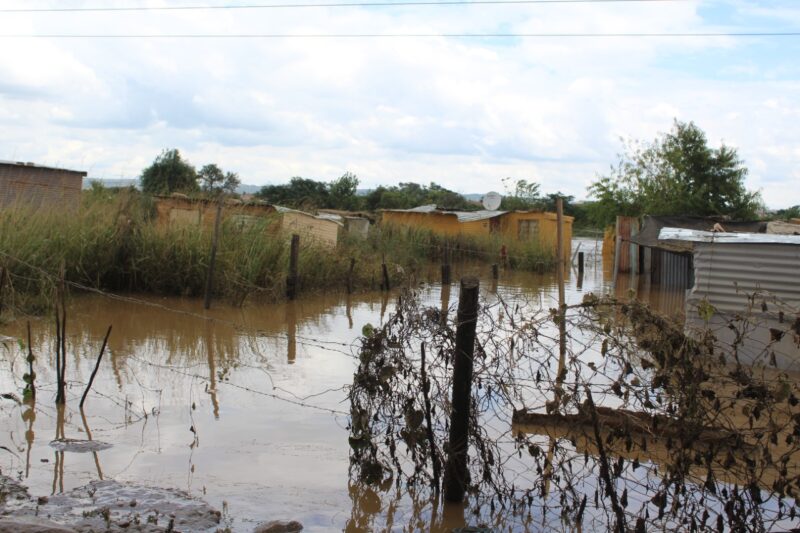
READ: Massive rain throughout Friday night brings strife across Pretoria
SOCIAL RELIEF MEASURES
Disgruntlement over the delayed relocation saw residents affected by floods refusing assistance by the metro. According to Tshwane emergency services spokesperson, Charles Mabaso 800 people were affected by this weekend’s floods in Mamelodi and a large-scale evacuation to safety was carried out, with Tshwane bus service transporting endangered residents to temporary accommodation.
The same accommodation was standing empty as the residents had previously refused to be moved.
Businesses and organisations donated food to affected residents.
The metro provided additional temporary accommodation at Stanza Bopape community hall, Ikageng community hall, Nellmapius community hall, Mamelodi West community hall and Rethabile community hall.
During rescue operations two police choppers conducted an aerial assessment of the area and identified about 60 people on rooftops of their dwellings.
“The people, however, when the members of the SAPS and rescue teams tried to evacuate them, hurled insults at the teams and threw them with objects,” Mabaso said. Community leaders and ward councillors tried to persuade the people to evacuate.
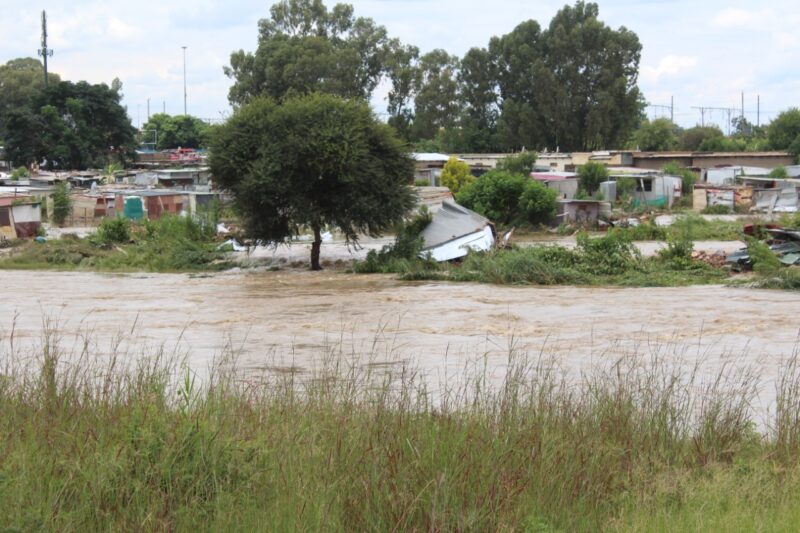
WHAT ARE PEOPLE SAYING?
When asked by Rekord why they did not want to move, many residents said they did not want to leave their belongings because they would be stolen.
They opted to recover some of their belongings and some started rebuilding their storm-damaged homes.
Soul City informal settlement community leader, Alvin Mauvha said the residents were tired of getting a “temporary fix” from the government and simply wanted to be moved.
“That is the only permanent solution we want, we are not here because we want to, but we have nowhere else to go. The majority of people who opted to stay here are poor and have no means to buy private land to build homes.”
Resident John Maluleke said he and his family had nowhere else to go. “We also would like a better place to live in but we do not have any place to go nor can we afford to buy land and build for my family.’’
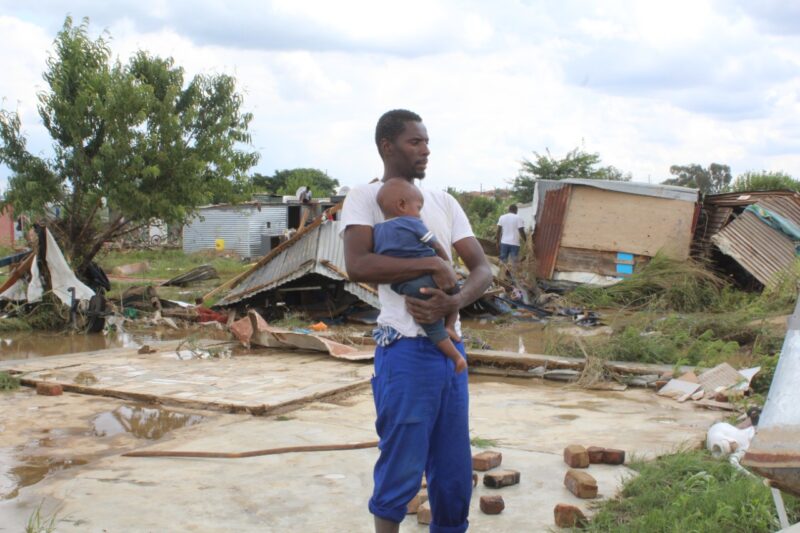
BROKEN PROMISES OF RELOCATION:
Member of the relocation committee December Matlala said the multiple changes to the political leadership in Tshwane added to the delay in the removal of the residents.
“A million deadline dates have been missed. Every politician that comes here gives us dates for us to be moved but it does not happen,” he said.
“We are tired of the dates we just want to move. We are tired of promises and we want action in the relocation which does not exist now.”
Matlala said the residents suffered due to political instability in the region over the past years.
“There is no stable leadership in Tshwane and this has affected us not being moved, but the service delivery as a whole in the region is lacking. We feel helpless.”
Elizabeth Tambani said she was tired of empty promises about their relocation.
“We have to buy building material all over again because of the rains. We have no food and have nothing. We are suffering here and we just want to move.”
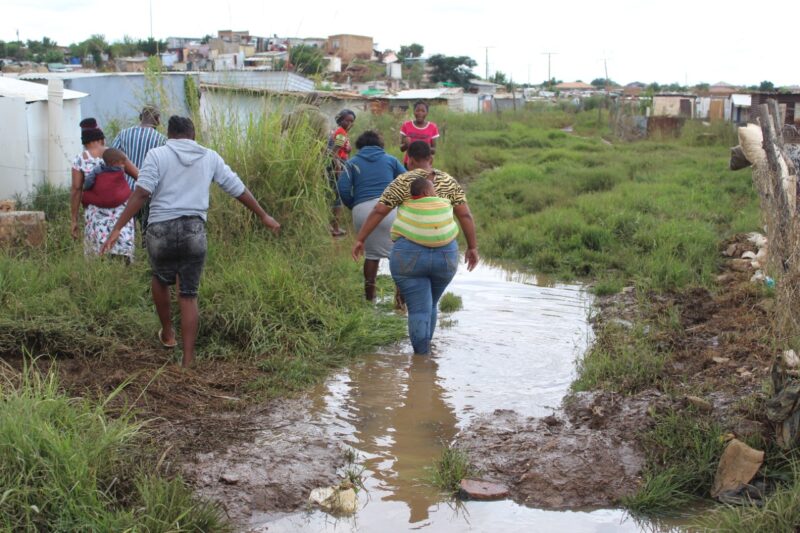
Different mayors who handled relocation debacle:
– In 2019, Solly Msimanga was the mayor before he resigned.
– Stevens Mokgalapa took over as mayor and resigned in early 2020
– Abel Tau took over as acting mayor.
– Council was dissolved in March 2020 and administrators took charge.
– In October 2020, Randall Williams took over
– November 2021 there were elections
READ: Flood victims relocation remains metro’s priority
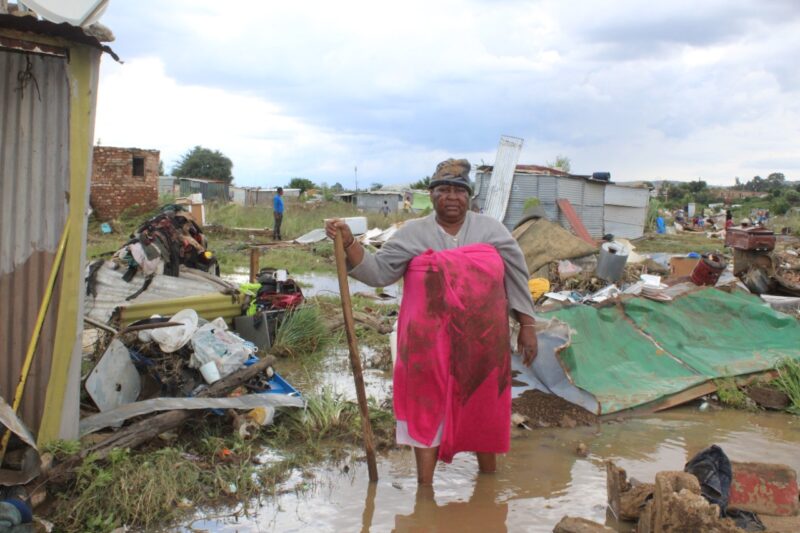
FLOOD DAMAGE:
While many residents’ homes were damaged but still standing, there were scores of those who were not so lucky.
One of these was Willow Farm settlement resident Joahina Sikhosana whose two-room home was destroyed by the rain.
“My home was swept by the river water around 06:00 on Saturday. The water took all of my belongings and I am left with what I am wearing now and nothing else.”
While speaking to the Rekord salvaging some of her belongings Sikhosana saw one of the neighbours carrying her stove and she was able to retrieve it.
“We have been up since midnight on Saturday when our neighbours woke us up, we stayed up and looked for places of safety.”
Describing the floods as the “worst ever”, Sikhosana said she had lived in the settlement for seven years.
“We no longer want to stay here, we want to move and we have been asking to be moved for long now.”
Read original story on rekord.co.za

