
Tshwane metro considers solutions for cable theft hotspot
The metro consider various solutions to the problem of cable theft at the notorious hotspot bordering Unisa in the Groenkloof area.
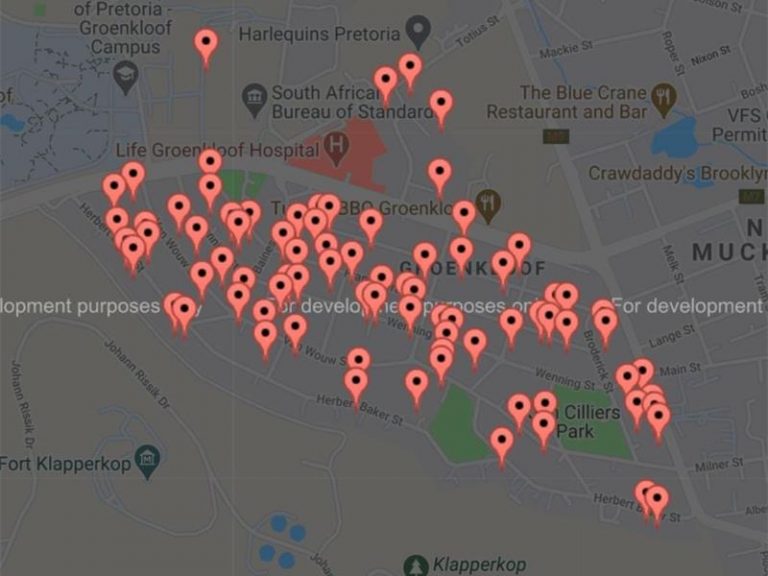
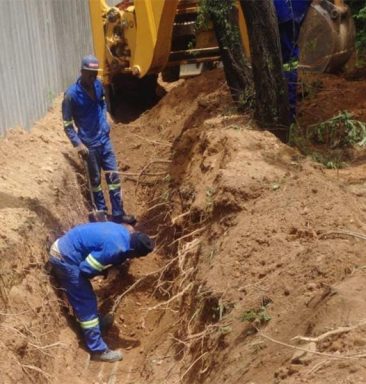
The notorious hotspot for cable theft in the vicinity of Groenkloof on one of the borders of Unisa was targeted once again in the early morning hours of last Wednesday.
Despondent residents of Groenkloof woke up to face yet another day without electricity, but a switchover to feed power from the Lynnwood station resulted in power supply to the area shortly thereafter at 9:00.
Cable theft in this area results in power outages in Groenkloof, and sometimes as far as parts of Brooklyn and Muckleneuk, not only impacting residents, but also businesses, universities, hospitals, old age homes, clinics, hospices and orphanages.
Ward councillor Shaun Wilkinson said cable theft was a continual problem because there is always a market for copper.
“The area gets targeted about once in three months; however, during this past year frequency escalated and with this particular hotspot the problem is that it is situated in a empty field and patrolling of the area is unfortunately not consistent,” he said.
“We need a solution because prevention is less expensive than the cure.”
He said an idea on the table was to approach Unisa to have a servitude registered in respect of moving the cables onto their property, but that might cause difficulties in the long run. Talks with the university will however still proceed in the new year to discuss strategy.
“The solution we agree on has to work for the long term otherwise it’s not worth it.”
Tshwane utility services and regional operations MMC, Phillip Nel, said another plan is to install a monitoring device which sets off a warning signal when tampering with the cables occur.
“It is a challenging product though, and as far as I know a tender had been drafted to be put out into the market to evaluate solutions in that respect.”
Karen Meyer, community safety and emergency services MMC for Tshwane, confirmed an early warning system would be of assistance “because patrolling units cannot be everywhere at all times”.
“We all know the solution is that trading in non-ferrous metal should be declared illegal, we need the help of parliament and the police to solve this problem. We literally lose millions of rands due to cable theft in this country.”
She said cable theft forms part of a vicious circle. Thieves steal cables and the copper gets sold to second-hand metal dealers.
“Only the police can raid those dealers. The metro police have a triple mandate of dealing with crime prevention, bylaw enforcement and traffic policing. The metro requested permission to share the mandate of crime prevention in respect of conducting raids at metal dealers, but has not yet been able to obtain same,” Meyer said.
“We are busy with a strategic framework in the seven regions of the city, the east being region six, requesting that experts be assigned to each region to deal with its own specific challenges. This will still take a few months to finalise though.”
According to senior superintendent, Isaac Mahamba, metro police spokesperson, the police are aware of the problem in that area, “but that is not the only hotspot for cable theft in Pretoria”.
“We take this crime seriously and monitor the entire city. We have an established cable theft unit, which made numerous arrests in the past, and will definitely continue to do so.”
Mahamba said the police often have discussions with stakeholders and if engagement is proposed, the police will look into it.
He confirmed no arrests have been made yet concerning Wednesday’s incident, and the stolen copper cables have not yet been found.
“We don’t leave anything unattended, we will continue to trace suspects,” he concluded.
Read original story on rekordeast.co.za

