
[Video] Ramaphosa on GBV: What your municipality must do after Ekurhuleni killings
Local councils face strict deadlines to address hazardous public spaces, audit unresolved cases and publish public progress reports as government responds to the discovery of 11 women’s bodies.
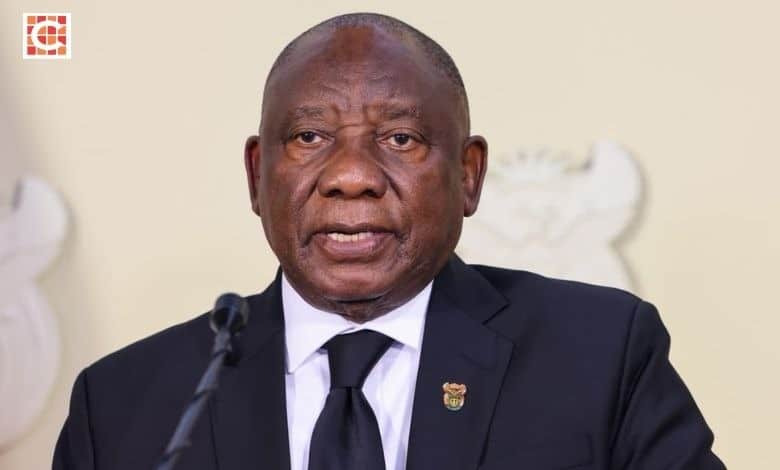
President Cyril Ramaphosa has directed every municipality in South Africa to conduct a women’s safety audit as part of the government’s response to gender-based violence and femicide.
The directive was announced during Ramaphosa’s address to the nation tonight (September 29), following the deaths of women in Ekurhuleni and continued national concern over gender-based violence and femicide.
The president said municipalities must work with provincial governments and police to identify high-risk areas and assess conditions that could place women at risk.
What municipalities must check
According to Ramaphosa, the safety audits must identify hazards including:
- broken streetlights;
- overgrown public spaces;
- abandoned buildings;
- unsafe transport routes;
- poorly secured parks; and
- other conditions that place women at risk.
The audits must be completed within 60 days, Ramaphosa said. Municipalities must then address the most urgent hazards within 90 days of completing the audit.
Where an urgent hazard cannot immediately be addressed, it must instead be included in a funded implementation plan with clear completion dates. The results of the audits and progress in addressing the identified hazards will also be published.
This means communities should be able to see what safety problems have been identified, which have been fixed and what work remains outstanding.
What this means for local communities
The directive places responsibility on municipalities to examine the physical environments in which people live, work and travel.
Ramaphosa said women should not have to live in fear because government has failed to repair a light or clear a public space.
“Every sphere of government must understand that the safety of women is part of its responsibility,” he said.
The president added that provincial and municipal authorities must intensify enforcement of existing liquor laws and by-laws, particularly against unlicensed outlets and establishments operating outside permitted hours.
He stressed that alcohol does not cause gender-based violence and can never excuse violence, saying responsibility always lies with the perpetrator. However, he said harmful alcohol use is a significant aggravating factor in interpersonal violence and should form part of the wider prevention effort.
Why the directive comes now
The announcement follows a series of women’s bodies being found in Ekurhuleni since July.
In his address, Ramaphosa said the body of another woman was found in Springs on Sunday (September 27), bringing the number of women’s bodies found in Ekurhuleni since July to 11.
Police said the unidentified woman was found in an open veld near a railway line after a security company alerted them.
The president said the killings were receiving attention at the highest levels of government and law enforcement.
A specialised multidisciplinary investigation has been elevated to national level, bringing together detectives, Crime Intelligence, forensic specialists, investigative psychologists, digital investigators and other specialised capabilities.
Ramaphosa said arrests had already been made in some of the cases, while police had identified persons of interest and collected forensic material in others.
Also read: 3 suspects in court over murder of 9th Ekurhuleni victim
Police have not found evidence establishing that the killings were committed by a single perpetrator, he said, adding that all possibilities remains under investigation.
Municipalities are not the only part of the response
Ramaphosa also announced measures aimed at unresolved gender-based violence and femicide cases, forensic backlogs and prevention.
The president directed the police and justice ministers, working with relevant authorities, to conduct a national case-recovery operation focused on unresolved murders, attempted murders, rapes and serious sexual offences involving women and children.
Within 60 days, the audit must identify unresolved cases, cases awaiting forensic evidence, cases where suspects have been identified but not arrested and cases where investigative or prosecutorial action has been unreasonably delayed.
Individual recovery plans must then be in place within 90 days for priority and stalled cases.
A separate plan to reduce forensic backlogs and establish turnaround standards for priority cases must also be presented within 60 days.
The president said progress against the forensic turnaround standards must be reported publicly every quarter.
Communities will be able to track progress
The municipal safety audits form part of a wider set of directives that come with deadlines and reporting requirements.
Ramaphosa said the Inter-Ministerial Committee on Gender-Based Violence and Femicide and the National Council on Gender-Based Violence and Femicide would monitor the measures and issue consolidated public progress reports every quarter.
The first consolidated report is due within 90 days.
For municipalities, the immediate requirements are clear: Audit local safety risks, identify the most urgent hazards, address them or put them into funded implementation plans and publish the results.
As Ramaphosa put it: “These directives are not just a statement of good intentions. They establish responsibilities, deadlines and a duty to submit reports on a regular basis to the nation.”
Watch the full address:
Breaking news at your fingertips… Follow Caxton Network News on Facebook and join our WhatsApp channel.
Nuus wat saakmaak. Volg Caxton Netwerk-nuus op Facebook en sluit aan by ons WhatsApp-kanaal.
Read original story on www.citizen.co.za

