
Want to save a life? Become an organ donor
August is Organ Donor Awareness Month – the ideal time to learn about living donations. By stepping forward, you can give someone a second chance at life.
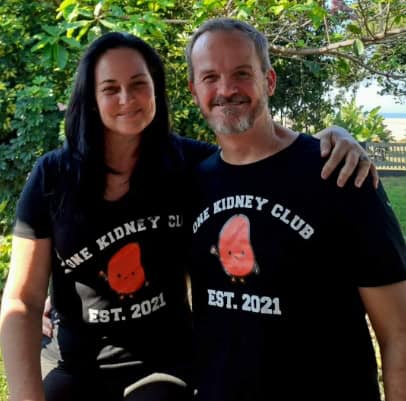
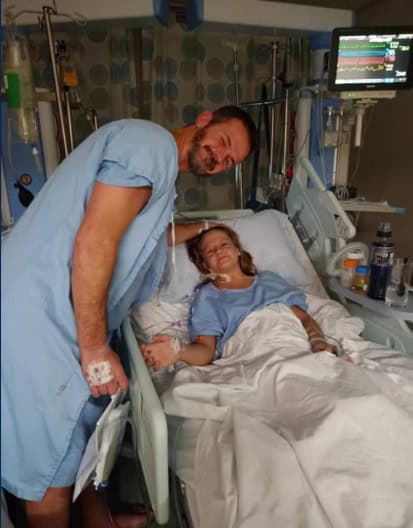
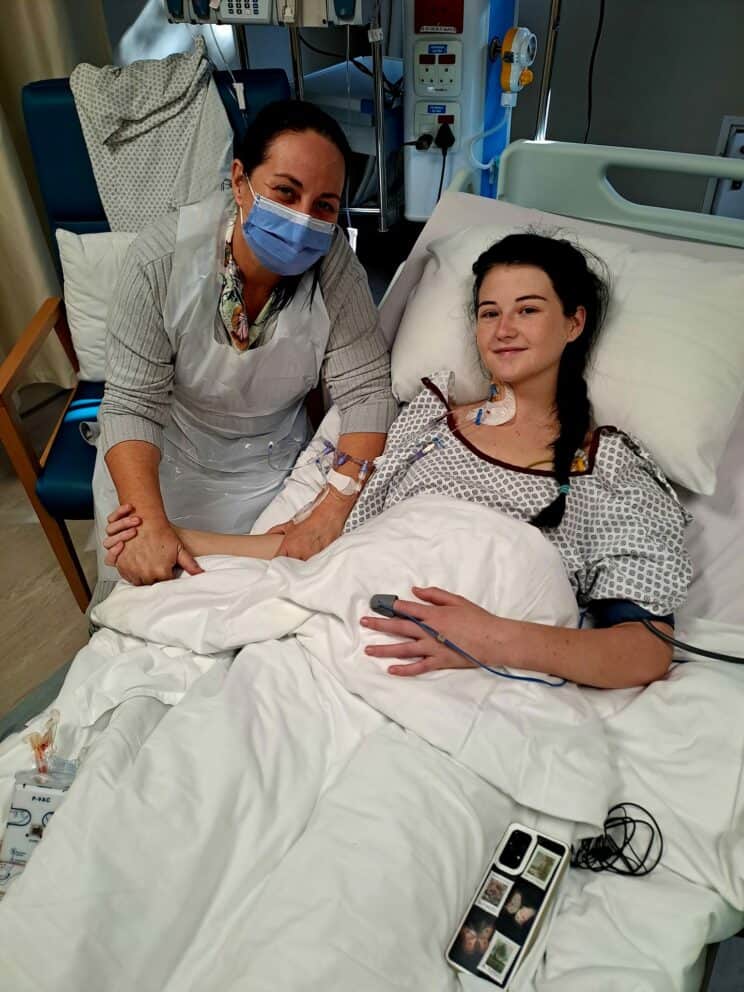
Annatjie and Paul Nel each donated a kidney to their daughters, Mia and Tanya, who were both diagnosed with a rare kidney disease that will eventually lead to liver failure.
Tanya had been on dialysis for three years before Paul was able to donate a kidney to her in 2021. This year, Mia got a kidney from Annatjie, just before she was due to start dialysis.
This is according to non-profit organisation Transplant Education for Living Legacies (Tell), which is focused on generating awareness around the life-saving potential of living donations during Organ Donor Awareness Month, commemorated annually in August.
According to Tell, there are two types of organ donors – living and deceased.
While a living donor can donate only a kidney or part of their liver and must be in excellent health, a deceased donor’s suitability and the organs that can be donated are assessed after their death.
Living organ donation
A living organ donor can donate to someone on the waiting list, whether it’s someone they know or a stranger.
Donating to a stranger is called an altruistic donation, while donating to someone you know is called a related donation (family member) or a non-related donation (someone you know).
A living donor must be in excellent health to withstand the operation and to be able to lead a normal life afterwards.
To be listed for a transplant, the recipient goes through a variety of tests and is continually assessed by their specialist.
“Only once the recipient has been cleared to be listed for a transplant, will the assessment of the living donor start,” says Tell.
The work-up process for the donor is done in phases and can be stopped at any time, should the donor have a change of heart, or if it comes to light that the donor has a medical condition that will prevent a transplant.
According to the World Health Organisation, ‘live donations are acceptable when the donor’s informed and voluntary consent is obtained, when professional care of the donor is ensured and follow-up is well organised, and when selection criteria for donors are scrupulously applied and monitored’.
Financial incentives for living donation are prohibited by the Declaration of Istanbul, of which South Africa is a signatory, and also by South African law.
Testing process for kidney and liver patients awaiting a transplant:
- Evaluation: Comprehensive medical evaluation, including physical examinations, medical history review, and psychosocial assessment.
- Blood tests: Blood type and tissue typing to ensure compatibility with potential donors.
- Imaging tests: Chest X-rays and ultrasounds, to assess the current state of overall health.
- Functional tests (liver recipient): Liver function tests, including bilirubin, albumin, and clotting factor levels, are crucial.
- Infection screening: Testing for infections such as HIV, hepatitis, and other transmissible diseases.
- Cardiovascular assessment: Ensuring the heart and blood vessels are in good condition to handle surgery.
- General: Pap smear, mammogram, BMI and dental health.
Some of these tests will be repeated annually or as requested by the transplant co-ordinator.
Tests for living donors for kidney/liver transplants:
- Initial evaluation: Detailed medical history, physical examination, and psychosocial assessment to determine overall health and motivation.
- Blood tests: Blood type and cross-matching to confirm compatibility with the recipient.
- Kidney donor: Tests for kidney function (creatinine, eGFR). Liver donor: Tests for liver function (ALT, AST, bilirubin).
- Imaging studies: CT scans to assess the anatomical structure and function of the donor’s kidneys/liver. A liver biopsy might be performed.
- Cardiac evaluation: Stress tests, echocardiograms, and other cardiovascular assessments to ensure the donor’s heart can withstand surgery.
- Infection screening: Testing for infectious diseases like HIV, hepatitis B and C, and other transmissible infections.
- Psychological assessment: Evaluating the donor’s mental and emotional well-being to ensure they understand the risks and benefits of donation.
Once all the tests are completed, the case will be presented to the transplant panel. Once approved, it will be referred to the Department of Health advisory committee for approval for a non-related living donation or altruistic donation. Only directly blood-related donors are not required to get approval from the Department of Health.
Who can be a donor?
Living donors can be family members, friends, or even altruistic donors who volunteer to donate to someone they do not know. Key criteria include:
- Age: Typically 18 or older.
- Good health: Donors must have good overall health without significant medical conditions that could complicate surgery or recovery.
- Compatibility: Blood type and tissue matching with the recipient.
- Informed consent: Donors must fully understand the risks and benefits and voluntarily consent to the procedure.
For more information about organ and tissue donation, visit Tell’s website.
Read original story on www.citizen.co.za