
Watch: A safari guide shares his Kruger leopard spotting secrets
From listening for alarm calls to scanning tree branches, a little patience and a closer look at the bush could help you spot one of Kruger's most elusive big cats.
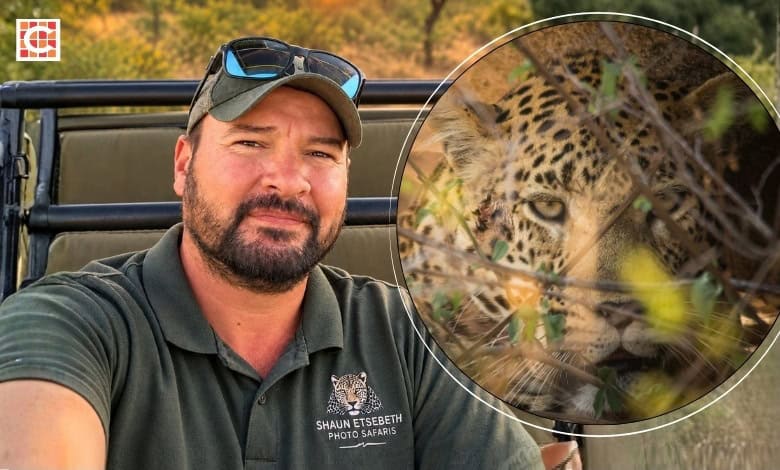
Spotting a leopard in the wild feels magical. One moment, you’re driving along a Kruger National Park road, admiring the scenery, and the next, someone points out a pair of eyes watching from the shade or a spotted tail hanging from a tree branch.
But finding one of these elusive cats isn’t always about luck. Sometimes, it’s about slowing down, knowing where to look and learning to read the signs around you.
Shaun Etsebeth, owner of Shaun Etsebeth Photo Safaris in Mpumalanga’s Malalane, says a successful game drive is about more than ticking animals off a list.
As a qualified field guide and wildlife photographer, he encourages visitors to take their time, observe animal behaviour and appreciate the smaller details that make every drive unique.
Slow down and look beyond the obvious
Leopards are masters of camouflage, which means you could drive right past one without even realising it.
“Sometimes they are sitting just a few metres from the road,” Etsebeth explains.
His advice? Resist the temptation to rush from one sighting to the next. Instead, scan the trees, branches, rocky outcrops and thick vegetation.
And don’t look only for an entire leopard. You might only see a glimpse of a spotted body lying in the shade, the shape of an ear, a flick of a tail or a pair of eyes peering through the grass at first.
Trees are particularly worth checking because leopards often use them to rest, escape the heat or keep their prey away from scavengers.
Etsebeth also recommends paying attention to riverbeds, drainage lines, rocky areas and thickets, while keeping an eye on recent sightings. Although these clues can guide your search, they never guarantee a leopard will appear.
Listen to what the bush is telling you
Your eyes aren’t your only tools on a game drive. Your ears can be just as useful.
“Birds may make repeated, agitated calls when they detect a predator. Tree squirrels can chatter persistently, while antelope such as impala may snort, stop feeding or stare intently in one direction. If several animals suddenly become alert or birds grow unusually vocal in one area, it may be worth slowing down and looking more carefully,” says Etsebeth.
Of course, an alarm call doesn’t automatically mean a leopard is nearby. The animals could be responding to another predator, a person or something else that has disturbed them.
The trick is to look for several clues rather than relying on just one.
Fresh tracks in sandy roads, unusual movement in the grass, scratch marks and signs of a recent kill may also offer useful hints.
“The bush often gives you clues before the animal itself becomes visible,” Etsebeth says.
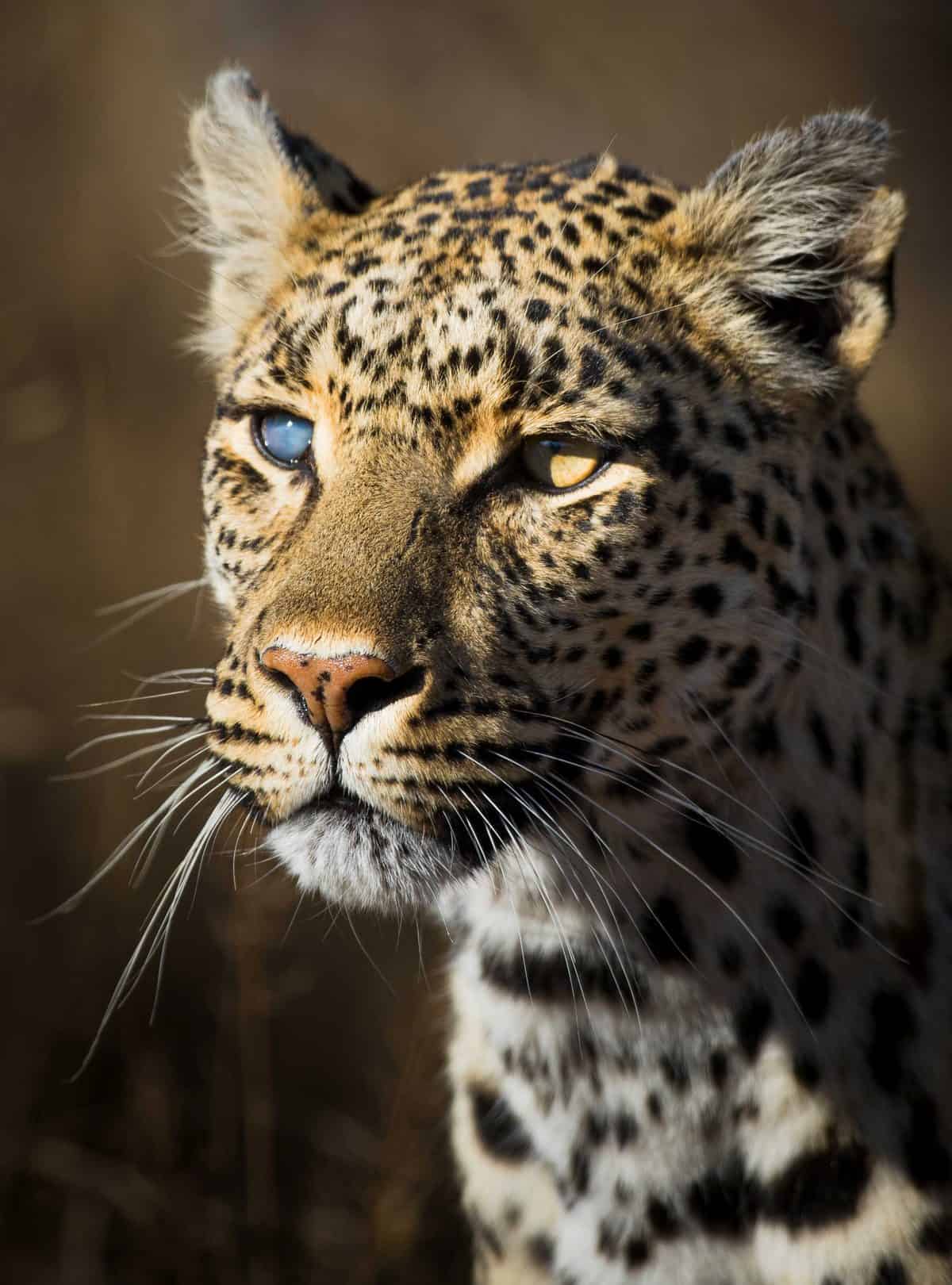
Timing, patience and a little luck
Early mornings and late afternoons can be rewarding times to look for leopards, as the cats are often more active during cooler parts of the day. When it is hot, they may be resting in thick vegetation or the shade of a tree.
The dry season can also make some wildlife easier to locate because vegetation is less dense, although the greener summer months offer their own beautiful scenery and photographic opportunities.
Whatever the season, patience remains essential.
Etsebeth notices that a common mistake visitors make is driving too fast or concentrating only on the road ahead. Others become distracted by their phones or conversations and miss what’s happening around them.
“Leopards reward people who take their time and pay attention to the smallest details. You might spend hours searching without a sighting, only to find one when you least expect it. That’s part of the excitement of being in the bush,” Etsebeth says.
A sighting to remember
One of Etsebeth’s most memorable encounters involved a female leopard whose movements they were fortunate enough to observe for an extended period.
Rather than disappearing into the bush after a brief glimpse, the leopard eventually led them to the area where she was hiding her two cubs.
“Seeing a mother leopard with her cubs in their natural environment is something you never forget,” he says.
The experience was a reminder that some of the most extraordinary wildlife moments cannot be planned. By staying patient and letting the animal move naturally, they were rewarded with a glimpse into a rarely seen part of a leopard’s life.
For a wildlife photographer and guide, it was about more than capturing a picture. It was about witnessing a special moment without rushing it.
Make every game drive count
While spotting a leopard might be high on your Kruger wish list, Etsebeth encourages visitors not to measure a safari’s success by whether they see a particular animal.
There is plenty to discover, from elephants interacting with their families to colourful birds, smaller creatures, and the bush’s changing landscapes.
Even familiar animals can surprise you when you take the time to watch their behaviour.
Ask questions, listen to your guide and remember to put your camera away occasionally to enjoy the moment. You don’t need to be an experienced wildlife watcher or photographer to appreciate what’s happening around you.
And if you don’t spot a leopard? Don’t let that take away from the experience.
“Every drive is different, every day brings new possibilities, and there is always something worth discovering,” Etsebeth says.
Breaking news at your fingertips… Follow Caxton Network News on Facebook and join our WhatsApp channel.
Nuus wat saakmaak. Volg Caxton Netwerk-nuus op Facebook en sluit aan by ons WhatsApp-kanaal.
Read original story on www.citizen.co.za