
What occupational therapy really means for older adults
On World Occupational Therapy Day on October 27, therapists reflect on the moments that matter, from an older woman learning to walk again to discovering the confidence to pick up a crochet hook.
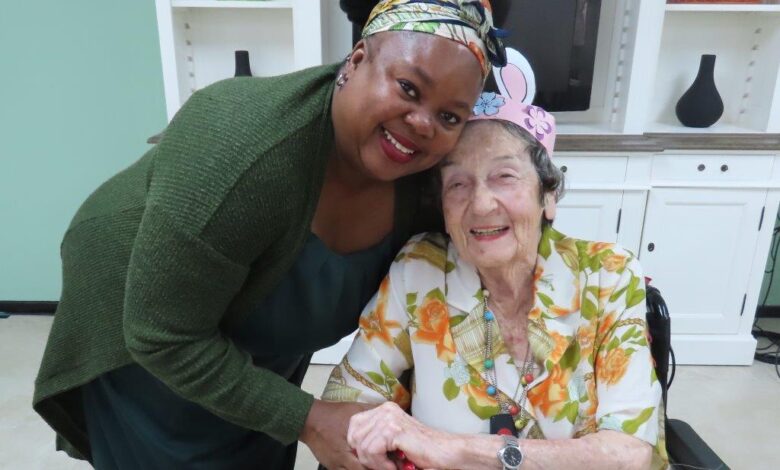
Sometimes occupational therapy (OT) looks like relearning how to walk. Other times, it’s picking up a crochet hook, joining a music session or discovering that something you thought you’d lost is still within reach.
For World Occupational Therapy Day on October 27, under this year’s theme ‘Participation matters’, Rand Aid’s occupational therapy team shares some of the lessons and little victories that have shown them why participation can make such a difference to residents’ lives.
At Thembalami Care Centre, occupational therapist Tsakani Shihlomule remembers a resident who had sustained a spinal injury and was unable to sit independently when they first met. She spent much of her time in bed and could not walk, but was determined to participate in her rehabilitation.
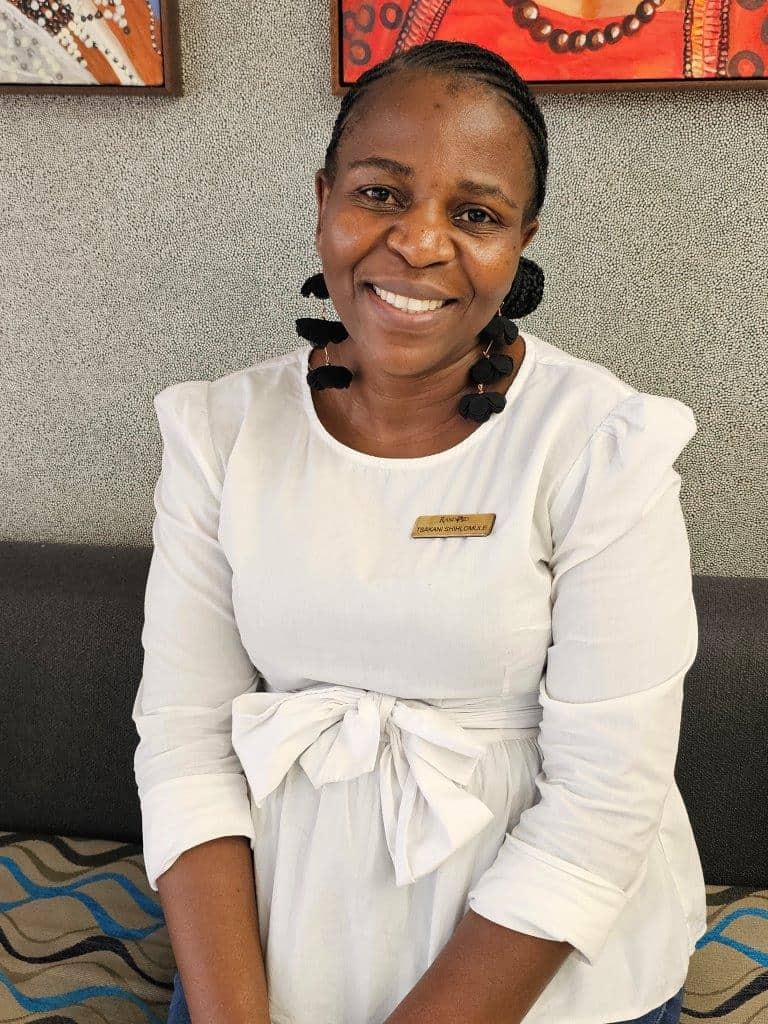
Photo: Supplied
Through regular exercises, encouragement and support, she gradually grew stronger. What began as small improvements eventually saw her progress from being unable to sit or walk to being able to walk indoors.
“For me, it was a reminder that rehabilitation is not always about achieving a big change overnight,” Shihlomule says. “Sometimes, it is about celebrating every small step, every improvement in strength, every attempt and every moment when a resident believes that they can do more.”
Seeing the resident walk again was deeply rewarding for Shihlomule, though the story ended bittersweetly when the resident eventually moved out of Thembalami.
“Even when our time with a resident is temporary, the changes we help them achieve can be lasting and meaningful,” she says.
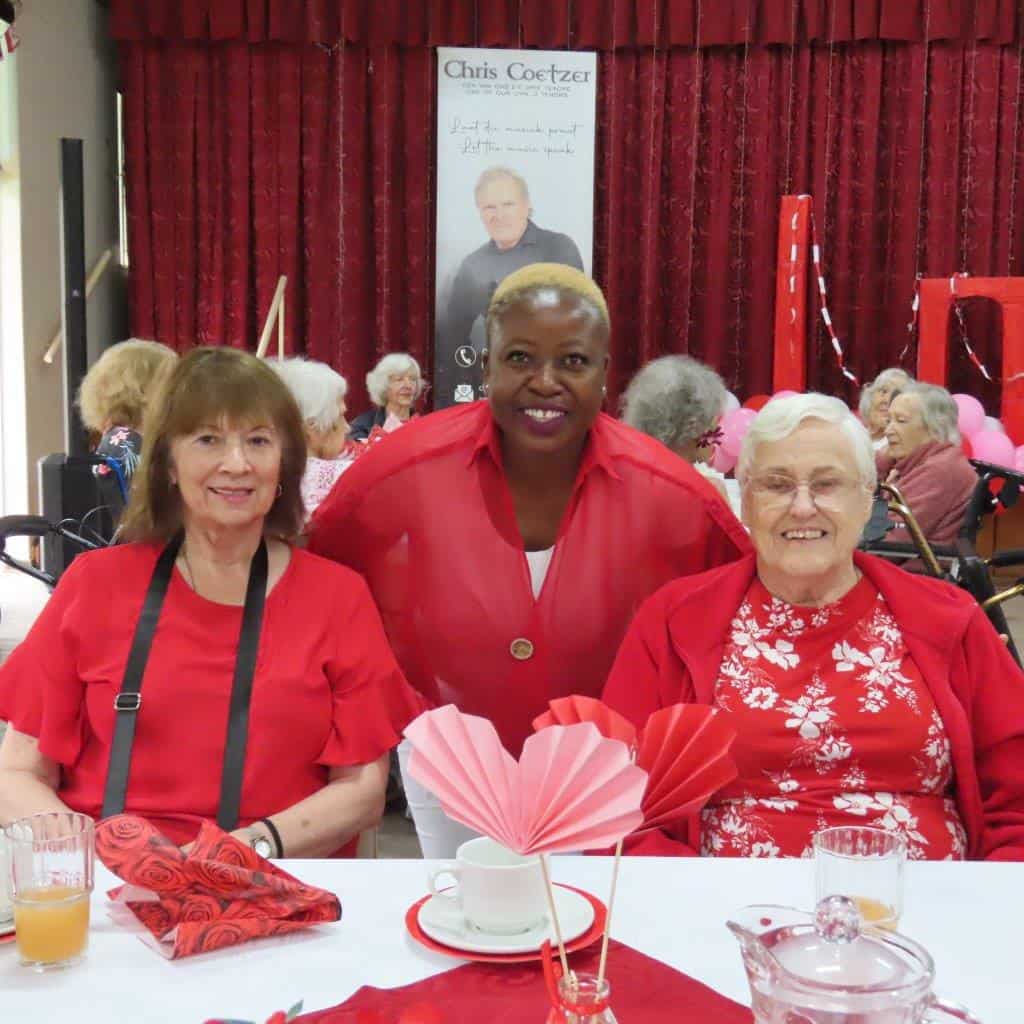
At Ron Smith Care Centre (RSCC), occupational therapist Simoné Botha says OT’s value often shows up when residents get the chance to try something they, and perhaps those around them, thought they could no longer do.
“Sometimes they manage to do it independently, with a little assistance or with the help of an assistive device,” Botha says. “The outcome itself may seem small, but the impact can be huge.”
Those moments can restore independence and self-worth.
“For me, that is where OT really matters. It’s about creating opportunities for people to discover that they can still do more than they thought possible – or maybe just do it differently.”
Her colleague, Karabo Matlaletsa, says residents have also changed how she thinks about ageing.
“They have taught me that ageing is not a bad thing or something to be feared,” Matlaletsa says. She has witnessed residents navigate physical, cognitive and life changes with resilience while maintaining their dignity and sense of humour.
“Their ability to find joy in simple moments and continue moving forward is both inspiring and humbling,” she says.
RSCC recreation assistant Sanele Ndlovu says one misconception she would like to dispel is that OT is simply about arts and crafts. She says the recreation centre at RSCC shows OT’s broader purpose by giving residents opportunities to participate in activities that matter to them.
“It helps residents live their lives to the fullest,” Ndlovu says.
Lucia Nkuna, who is also a recreation assistant at RSCC, has seen how seemingly simple activities can have a profound effect. Painting, music and other activities can help residents manage anxiety and loneliness, while giving them an opportunity to connect with things they have enjoyed throughout their lives.
“Participating in these tasks reminds them that they still have life, even if they cannot have their previous big space around them,” Nkuna says.
Music can be particularly powerful for residents who have loved it throughout their lives, she adds.
Sometimes, participation starts with getting someone out of their room. RSCC recreation assistant Evelyn Shilubane noticed that one resident regularly stayed in her room. When Shilubane mentioned that she knitted and crocheted, the resident immediately became excited about learning to crochet. That small conversation has since grown into a weekly knitting and crochet club held every Tuesday in the different wings. “It is great to see the joy and excitement it brings,” Shilubane says.
For Rand Aid’s OT team, these stories illustrate what ‘Participation matters’ means in practice. It is about helping people stay connected to the activities, relationships, and abilities that give their days meaning, sometimes through the smallest victories.
Breaking news at your fingertips… Follow Caxton Network News on Facebook and join our WhatsApp channel.
Nuus wat saakmaak. Volg Caxton Netwerk-nuus op Facebook en sluit aan by ons WhatsApp-kanaal.
Read original story on www.citizen.co.za

