
What to do if your pet is poisoned or bitten by a snake
Being a pet owner that is informed about the dangers of poisoning or snake bites can save your animal's life.
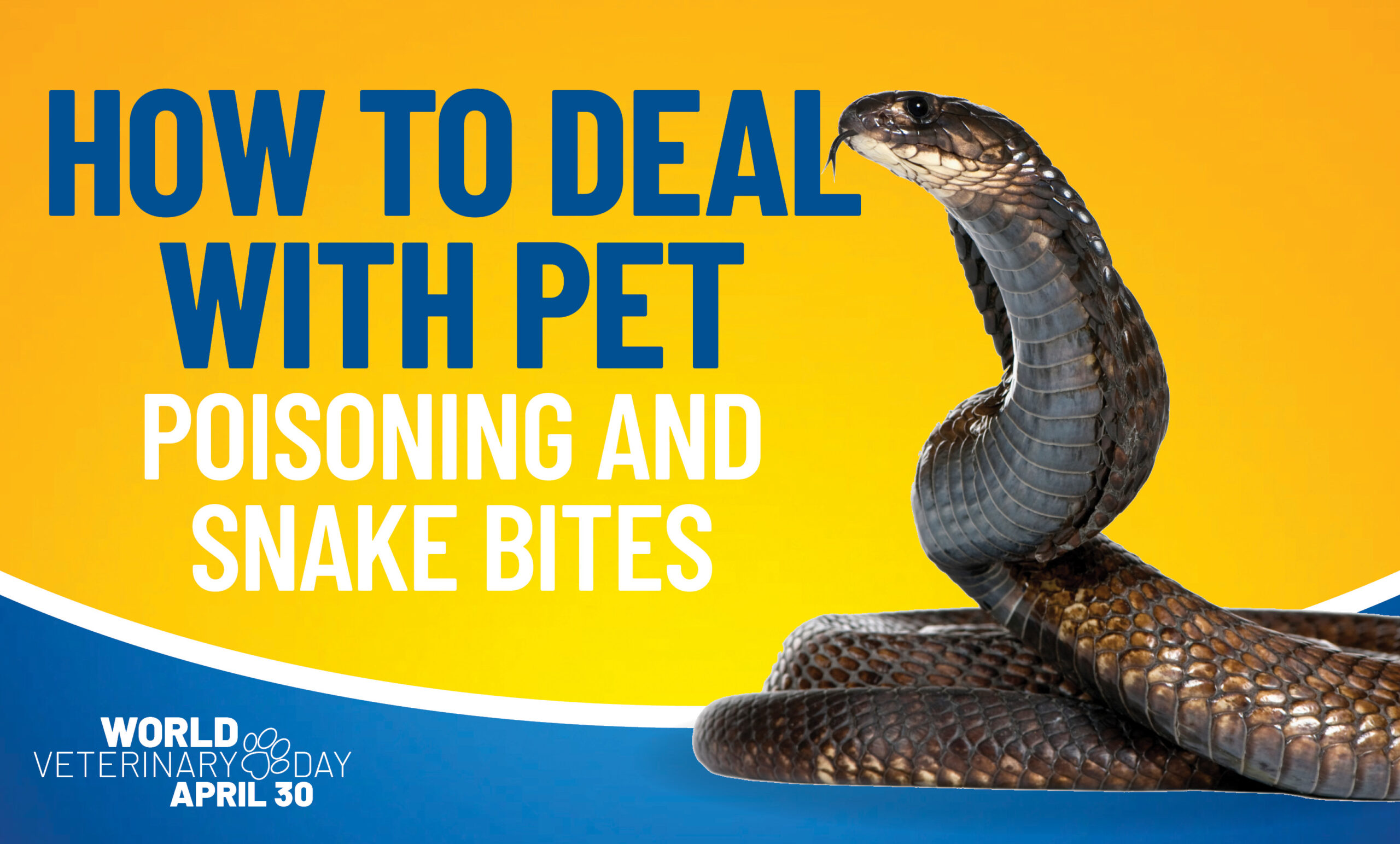
Dealing with snake bites
Dr Paul van der Merwe, the president of the South African Veterinary Association, say it is important that animal owners have a basic knowledge of the snakes in their area.
“This will determine your reaction,” he says. “The most important aspect of snake bites is that the snake must be identified, so that the correct treatment can be given. Knowledge is power!”
Greenside Animal Hospital says if a snake bites your dog, you must rush it to the nearest vet to start treatment as soon as possible. If a snake spits in a dog’s eye, first thoroughly rinse the eye with tap water.
Not all snake bites require antivenom, but in serious cases, your dog may not survive without it.
There may be excessive swelling, pain, and blistering in cytotoxic bites (puff adder, Mozambique spitting cobra, rinkhals, stiletto and night adder). The sooner the antivenom is administered, the more minor the tissue damage.
Where the bite is in the face and throat area, the swelling may also hamper breathing, which is particularly problematic in small dogs. Severely envenomated animals die due to hypovolemic shock, tissue necrosis, and cell death.
Dogs often get spat in the eyes by spitting snakes, resulting in the eyes very quickly swelling closed. Immediately wash your dog’s eyes with water under a tap or with a hose pipe. Gently rinse the eyes for about 15–20 minutes, and then take your dog to a vet. In minor cases, a bit of local anaesthetic and antibiotic cream usually help, and your dog should be fine within a few days.
The African Snakebite Institute recently warned that there is a shortage of polyvalent antivenom, which is used against cobra, mamba, puff adder, Gaboon adder and rinkhals bites.
Minimise snake encounters
The best way to minimise snakes in your area is to ensure you do not invite the snake in by having overgrown areas or clutter. Snakes are attracted to rodents, so be sure not to leave birdseed, fruit or other food outside that will attract rodents.
What to do if your dog has been poisoned
Unfortunately, crime is a part of our daily lives in South Africa and it is often not only ourselves that fall victim to acts of violence, but also our pets.
“In particular, our dogs are at high risk of being maliciously poisoned to allow intruders to gain access to properties without the dogs of the household raising the alarm or attacking the intruders,” says Dr Kathryn Knipe of the Birnam Veterinary Clinic.
The poisons used can kill dogs within seconds. “They will typically be disguised in food and given to your dogs through a fence or thrown over a wall. You may find strange foodstuffs which you did not feed your dogs in the garden or in their vomit. The toxins will look like granules, usually black. However, they are also sometimes other colours, such as blue or pink.”
The most notable clinical symptoms of toxicity are uncontrollable muscle twitching, convulsing, vomiting, diarrhoea and salivating.
If you suspect that your pet has been poisoned, it is imperative to immediately contact your veterinarian or take your pet to an emergency veterinary practice. Home remedies will generally not save your dog’s life.
“Getting your dog to your veterinarian as soon as possible is best, as they have specific drugs with which to induce vomiting.
“However, should you find yourself in a situation where you cannot get to a vet immediately, take a small handful of regular washing powder, moisten it and give it to your dog orally. This should cause them to vomit.”
Isolate all your pets from the area where you suspect the poisoning occurred and where affected animals may have vomited until you have been able to remove all foreign foods and vomit from the area.
“Train your dogs to only accept food from your family to decrease the risk of exposure. Confining pets to an area where they cannot easily be poisoned, such as the backyard away from the road, may also keep your pet safer. Having your pets sleep indoors at night will keep them away from areas where intruders can give them poison easily, as well as give you better protection from intruders at night,” she says.
Informing local security companies and the police of poisoning incidents will put them on high alert in the area. Security companies will often patrol areas where poisonings have occurred.
Always have the details of your regular vet as well as your nearest emergency vet close at hand for use in emergency situations.
Van der Merwe says if you suspect or know your pet has been poisoned – either accidentally or maliciously – you should get him/her to your vet as soon as possible. “Wherever possible, take the item they have eaten with you. Let your vet know how much may have been eaten and how long ago it happened.”
He advises that people keep all potentially toxic substances locked up and inaccessible to their pets. Common household substances that can be very dangerous include rat poison, xylitol and human medicines.
“Check your garden for dangerous plants such as cycads and mushrooms. When in public areas, keep dogs away from bins or other garbage,” he says.
World Veterinary Day falls on April 30 this year. The theme, set by the World Veterinary Association, is ‘Strengthening veterinary resilience’. This is an apt topic in South Africa, where a shortage of vets places strain on those in the profession. The upside is that veterinary science is a great career choice for youngsters, who will have an excellent chance of securing employment.
Read original story on randfonteinherald.co.za

