How many drinks can you have before driving in SA?
Alcohol contributes to 65% of fatal road accidents in South Africa, showing the dangers of drinking and driving.
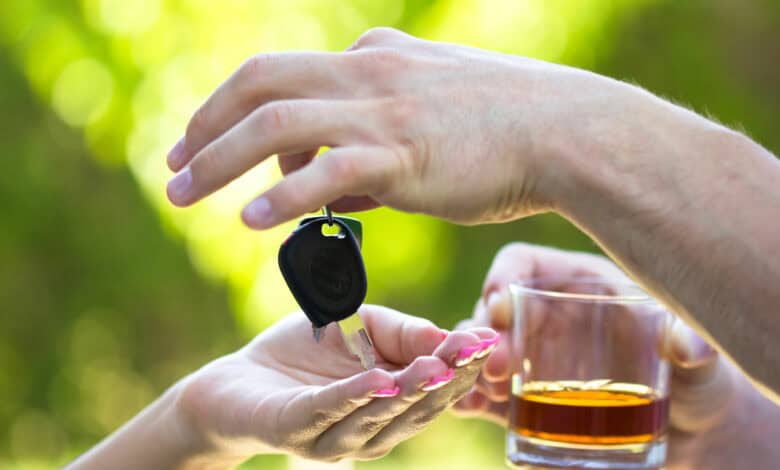
Everybody knows the joke that goes: “What do you call a guy who has had 12 beers? The designated driver.”
According to The Citizen, it’s funny because it’s not far from the truth. In South Africa, it is almost a badge of honour to see how many drinks you can have and still drive home.
But what is sad, and no joke, is that ‘alcohol contributes to a staggering 65% of fatal road accidents in this country’, according to ALCO-Safe managing director Rhys Evans. Many lives are lost and families destroyed because of drinking and driving.
Drinking and driving limits
So, how many drinks can you have before you get behind the wheel of a car? South Africa’s drink-driving limit, according to the Road Traffic Act 93 of 1996, amounts to a legal blood alcohol concentration of 0.05g per 100ml of blood for general drivers. For professional drivers, like truck or taxi drivers, the limit is even lower at 0.02g.
This translates roughly to one or two 300ml beers or one to two 120ml glasses of wine for general drivers. But this seemingly simple calculation creates a false sense of security. Numerous factors such as body weight, gender, metabolism and genetics influence alcohol processing. It means that even one beer can take you over the legal limit.
For some, two beers are plenty and for others 12 beers are not enough. However you handle your alcohol, many drivers fail to realise how quickly they can exceed the legal limit or, more critically, how alcohol impairs judgement and slows reaction time long before reaching the limit.
Weak law enforcement
With many South Africans unaware of the legal drinking and driving limits, this knowledge gap is further worsened by weak enforcement. While penalties for exceeding these limits – fines, imprisonment, licence suspension and a criminal record – may seem strict, they are rarely enforced with consistency. The long-promised demerit system remains unimplemented, further undermining the law’s effectiveness.
The emphasis must shift from simply lowering limits to actively enforcing them. This requires more frequent roadside breathalyser checkpoints, visible policing and a more effective system for prosecuting offenders. Without proper enforcement, the limits are easily ignored. While technology such as in-car alcohol detection systems could play a valuable role, these solutions are costly and often viewed as intrusive. A more targeted approach might involve mandatory in-car breathalysers for repeat offenders.
Society needs to change
While drink and driving limits, strict policing and firm enforcement are essential, they alone will not solve the problem. True change requires a cultural shift. South Africans must foster a society where drunk driving is socially unacceptable – one where friends intervene, families hold each other accountable and communities actively discourage risky behaviour.
Public drinking and driving awareness campaigns must move beyond generic slogans, providing real, actionable knowledge about alcohol’s effects. A multi-pronged strategy – prioritising law enforcement, strengthening education and instilling personal responsibility – is the only way to create lasting change.
Breaking news at your fingertips… Follow Caxton Network News on Facebook and join our WhatsApp channel.
Nuus wat saakmaak. Volg Caxton Netwerk-nuus op Facebook en sluit aan by ons WhatsApp-kanaal.