Fuel prices: Here is what you could be paying
Just under 200 sites across the country have been hit by diesel shortages as panic buying leaves pumps dry.
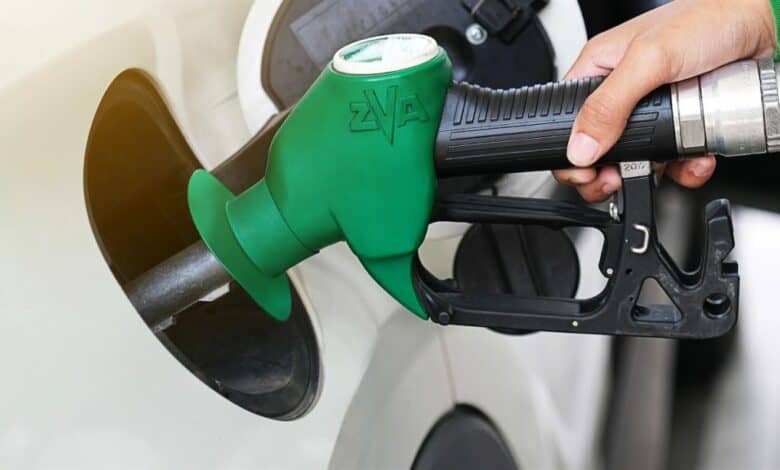
As the country and motorists brace for a massive fuel price hike, the Fuel Industry Association of South Africa says that while there is a stable and sufficient supply of petrol and diesel in South Africa, it expects a flurry at the pumps, with big queues and panic buying, resulting in some sites running dry, reports The Citizen.
The projected fuel prices continue to spike, with the latest data from the Central Energy Fund (CEF) showing that motorists could be paying more than R10 per litre for diesel, marking the first time in the country’s history.
Petrol price
The CEF’s under-recoveries at the end of the fourth week of March also indicate that petrol prices may increase by over R5 per litre.
According to the CEF’s data, the under-recovery in petrol prices has now reached between R5.32 and R5.81 per litre, while Diesel has soared to about R10.13 and R10.26 per litre.
Under recoveries on illuminating paraffin are now amounting to R11.63 per litre.
When the fuel price kicks in on Wednesday, the price will also include a 21-cent-per-litre tax hike.
Dry sites
Avhapfani Tshifularo, CEO of the Fuel Industry Association of South Africa, said they have taken note of dry sites, particularly on diesel.
“Currently, the number is still less than 200 sites that are dry on diesel, but that number keeps on changing. So, I’m sure it’s going to be chaos out there, so everybody will want to beat this massive price adjustment. But I anticipate that we have recover come the first and second of April, to catch up on those sites that will potentially have dry products.”
On Sunday, President Cyril Ramaphosa instructed Finance Minister Enoch Godongwana to urgently develop a plan to protect South Africans from a steep increase in fuel prices expected on Wednesday.
War
Tshifularo said there is a concern about how long the United States and Israel’s war against Iran, which has ignited global panic and severely impacted fuel prices and supply, will last.
“If you think about it, when this was started, we thought it’s gonna be at least maximum two weeks, and it’s now a month, and the price of oil is not coming down, it’s still above 100 Dollars per barrel and depending on what happens next.”
“So if the conflict escalates, we don’t know what does that mean for us, but at least based on what has happened in the past four weeks, if we look at that, because the disruption had been minimal in terms of the imports that are coming our way. So if it continues on that level, we are fine. I mean, we should be okay, because we are receiving imports of both crude oil and products,” Tshifularo told 702.
Don’t panic
Last week, Mineral and Petroleum Resources Minister Gwede Mantashe urged South Africans not to panic about a possible fuel shortage, saying vessels carrying cargo and supplies destined for South Africa are passing through the Strait of Hormuz without interruption or threats of attacks from Iran.
Breaking news at your fingertips… Follow Caxton Network News on Facebook and join our WhatsApp channel.
Nuus wat saakmaak. Volg Caxton Netwerk-nuus op Facebook en sluit aan by ons WhatsApp-kanaal.