



Maile revealed that as of 31 December 2025, Gauteng municipalities reported an aggregate debtor's balance of R165.7 billion.
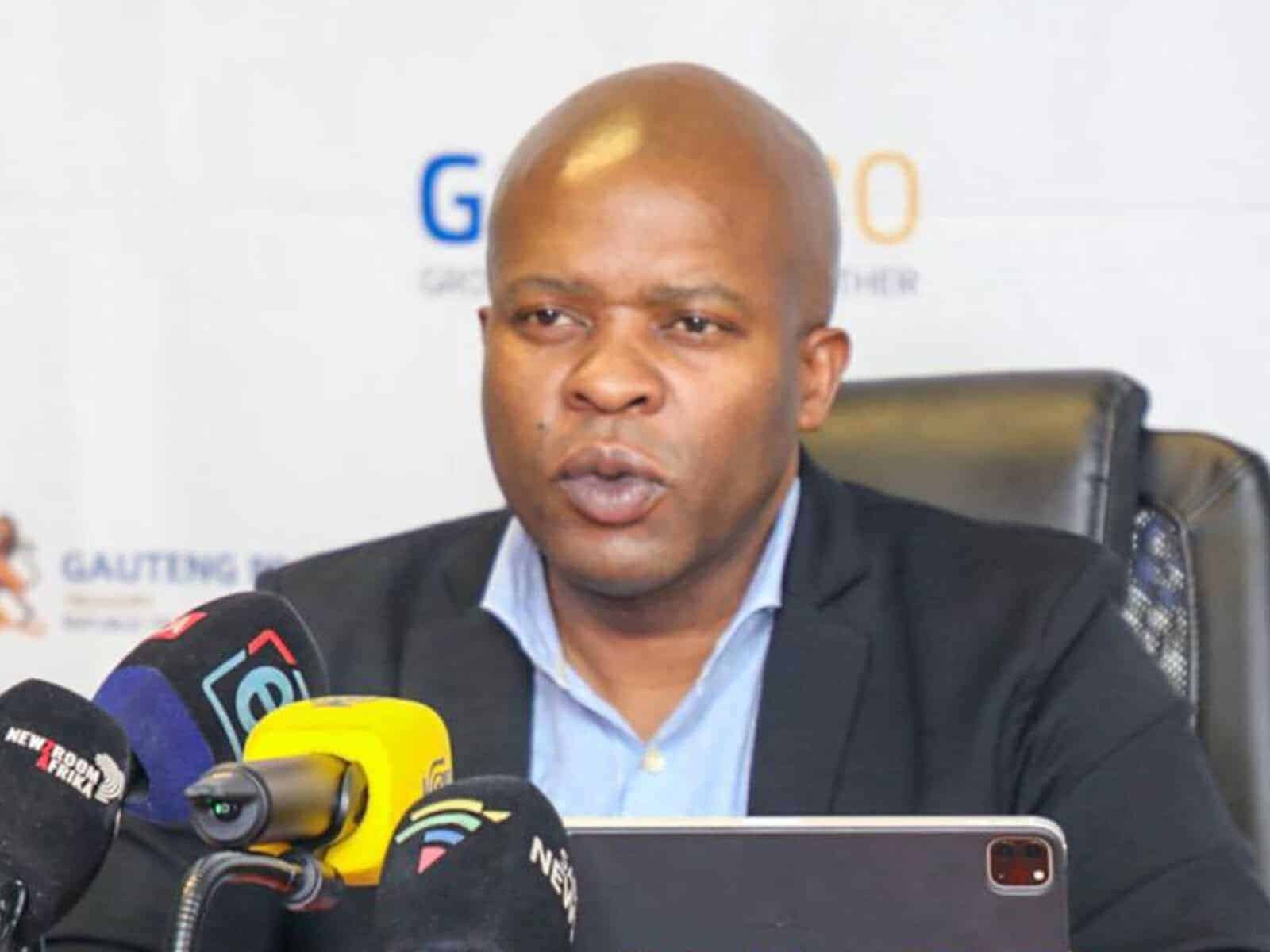
Gauteng MEC for Finance Lebogang Maile. Picture: X / @LebogangMaile


Councillors and municipal officials across Gauteng owe their own municipalities a combined R165.7 million in unpaid accounts.
On Sunday, MEC for Finance and Economic Development, Lebogang Maile, outlined the Gauteng State of Municipal Finances.
The briefing presented a consolidated analysis of municipal revenue and expenditure for the first six months of the 2025/26 financial year.
As of 31 December 2025, the City of Johannesburg recorded the highest outstanding amount, at R74.8 million.
This was followed by the City of Tshwane at R36.2 million and the City of Ekurhuleni at R22.9 million.
“These amounts are primarily attributable to municipal officials. Formal correspondence has been issued to municipalities to enforce recovery measures and ensure compliance by councillors and officials,” said Maile.
ALSO READ: CoGTA deploys experts to dysfunctional municipalities amid debt, governance challenges
“In total, councillors in various municipalities in Gauteng owe municipalities an aggregated amount of R5.5 million.
“It must be noted that councillors who owe their respective municipalities, except for those in the City of Ekurhuleni, each have outstanding balances on their accounts, ranging from R100 000 and above.
“In addition, officials owe their respective municipalities a total of R160.2 million, as at 31 December 2025. In this regard, the City of Johannesburg is leading with R72 million owed by officials. This is followed by the City of Tshwane and City of Ekurhuleni with a debt of over R10 million each.”
Breakdown of debt owed to municipalities
Maile revealed that as of 31 December 2025, Gauteng municipalities reported an aggregate debtor’s balance of R165.7 billion.
A significant portion of the total debt balance is held by households (73.3%), commercial entities (23.2%), and state organs (3%).
The Gauteng Provincial Government’s outstanding debt to municipalities amounts to R2 billion as at the end of December 2025.
ALSO READ: Municipalities must be separated from undue political influence – Ramaphosa
The debt profile is largely concentrated within the three metropolitan municipalities, the City of Johannesburg, the City of Tshwane, and the City of Ekurhuleni.
The main drivers of provincial debt are the Department of Infrastructure Development (51%), Education (33%), and Health (12%).
“While progress has been made through targeted payments, the current debt levels remain significant and require sustained intervention,” said Maile.
“Gauteng municipalities are having difficulty putting credit control policies into practise. This leads to a poor collection rate and ultimately an inability to pay off debts when they become due.
“In collaboration with the Gauteng Department of Cooperative Governance and Traditional Affairs, we continue to engage municipalities through structured intergovernmental platforms. These include the Debt Management Committee, which verifies accounts, resolves historical discrepancies and implements payment plans aligned to available cash flows.
“Priority has been given to stabilising municipal finances, preventing service disruptions and strengthening financial controls to avoid the accumulation of new debt.”
READ NEXT: R100 billion debt: only 10 municipalities honouring their accounts
Support Local Journalism
Add The Citizen as a Preferred Source on Google and follow us on Google News to see more of our trusted reporting in Google News and Top Stories.

