


Without swift consequences against uncooperative and lying witnesses, President Cyril Ramaphosa’s promises of integrity remain empty words.
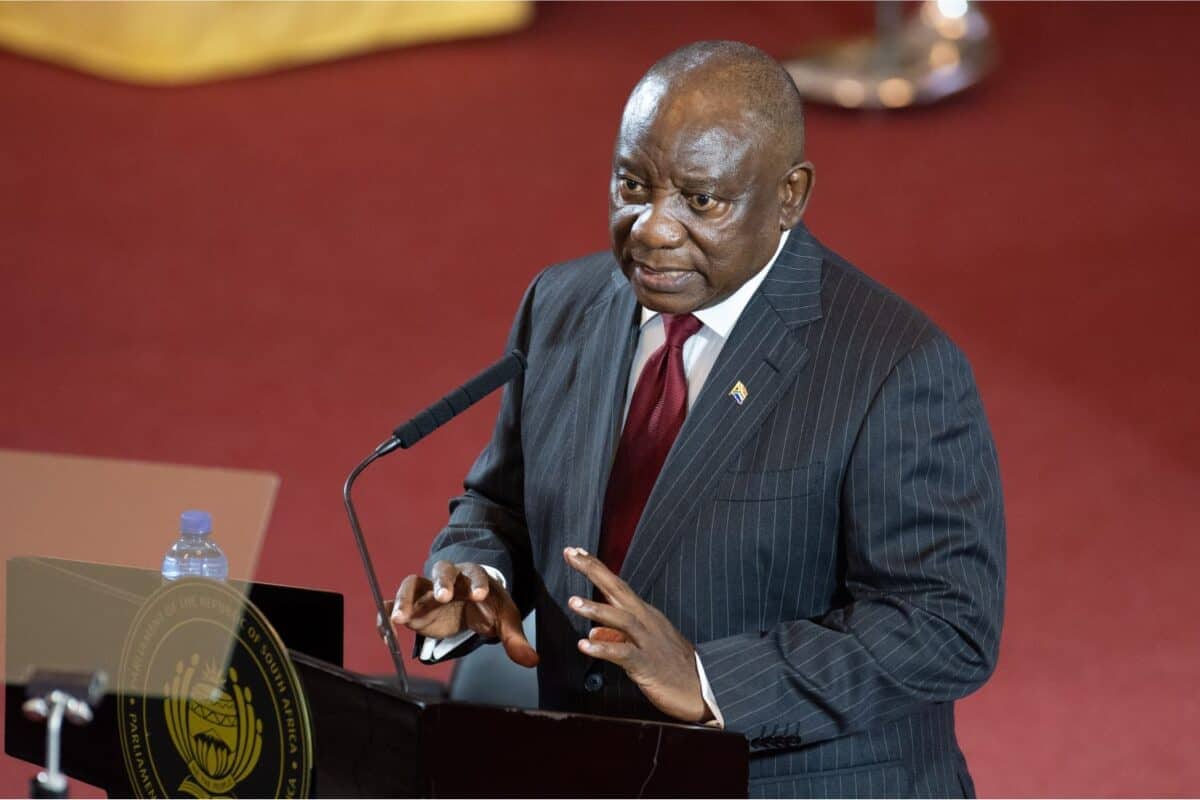
President Cyril Ramaphosa at Cape Town City Hall on 15 February 2024. Picture: Gallo Images/Jeffrey Abrahams


In President Cyril Ramaphosa’s inaugural State of the Nation Address on 16 February, 2018, shortly after taking over from former president Jacob Zuma, he made anti-corruption the central theme of his message.
His proposed “new dawn” for the country would be based on “building a society of decency and integrity that does not tolerate the plunder of public resources”.
Seven years later, the reality of where the country is makes a mockery of his promises – and the question is what made him unable to stem the tide of corruption?
There are many possible answers to this but the one closest to the truth is that corrupt people saw no legal and binding consequences for their corrupt actions.
This past week saw the parliamentary standing committee on public accounts (Scopa) being turned into a joke by the former Road Accident Fund (RAF) CEO Collins Letsoalo, who did not appear before it because they served the summons for him to appear at his “postal address instead of my residential address”.
On the face of it Letsoalo has every right to this defence, but the man was suspended by the RAF board five months ago already for failing to appear in front of Scopa.
ALSO READ: ANC denies claims of a plot within the party to recall Ramaphosa
The country is told Scopa is now initiating actions to charge him for his failure to appear before it.
This is commendable, but too slow. This is what lies at the heart of the failure of Ramaphosa from fulfilling his “thuma mina and new dawn” promises from seven years ago.
This criticism of Scopa might seem a tad harsh because they are doing something about it, while in the past there were almost no consequences for people who chose to snub parliament.
But this is what the president’s promises should have been based on: the ability to take swift action against anyone delaying investigations into possible corruption in any state institution.
Former chief justice Raymond Zondo remains the prime example of one person who brought the full might of the law to bear upon Zuma when he chose to walk out of the state capture commission when he was still giving evidence.
Some people still choose to question why he went straight to the Constitutional Court to get the former president convicted on a contempt of court charge, but the point is the reaction was swift and left no doubt in anyone’s mind that raising the middle finger to a government entity investigating corruption has consequences.
ALSO READ: Ramaphosa invites those ‘spreading misinformation’ to contribute to National Dialogue
The Madlanga commission investigating corruption in the police and judiciary has had its fair share of dodgy characters who told half-truths, but none as spectacularly as North West businessman and information peddler Brown Mogotsi who admitted to lying to the commission, under oath.
Although action might still be taken against Mogotsi at a later date, this was a case in which the commission had every right to throw the book at Mogotsi to send a clear message that lying to a commission has immediate consequences.
But most importantly, this would be a solid brick in the president’s wall against corruption.
It is a blight on the legacy of Ramaphosa and his organisation that in the seven years that he has been in charge, public cases of corruption have been documented, from those exposed by the Zondo commission to the Covid funds looting to Tembisa Hospital’s criminal plunder, but few convictions to show.
Building a society of decency that does not tolerate the plunder of public resources starts with the smallest of actions: throwing the book at those that refuse to appear before or lie to commissions.
Support Local Journalism
Add The Citizen as a Preferred Source on Google and follow us on Google News to see more of our trusted reporting in Google News and Top Stories.

