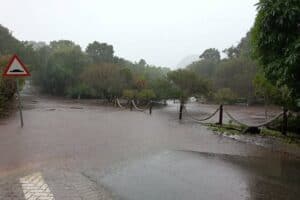
Drivers frequently underestimate the impact of weather on both road conditions and vehicle performance, says tyre expert.
Picture: iStock


As the rainy season continues and traffic intensifies ahead of the festive rush, South Africa’s roads are expected to become even more hazardous.
Heavy downpours have already triggered flooding across several provinces in recent weeks, leaving roads damaged, visibility reduced and motorists vulnerable.
Speaking to The Citizen, tyre expert Dev Naidoo said rainy weather often pushes people to drive more cautiously, but not always as safely as they should.
Weather impacts how South Africans drive
Naidoo said drivers often underestimate how significantly weather changes road conditions and vehicle performance.
Cold fronts, he explained, also play a role.
“Cold weather affects tyre pressure and performance. Drivers may not realise that tyre pressure decreases with lower temperatures, which can cause tyres to wear unevenly or even blow out in extreme cases,” he said.
He warned that many motorists still do not adjust their driving in wet or icy conditions.
“In rain or icy conditions, drivers often don’t adjust their driving speed to match road conditions, which can increase the likelihood of accidents, especially if their tyres aren’t suited for winter driving.”
Naidoo added that the weather directly affects the grip between the tyre and the road.
“We always encourage regular tyre checks, adjusting driving speed, and increasing following distances to stay safe in varying weather conditions.”
ALSO READ: Weather alert: Another wet December day ahead
Expert shares safety tips for holiday travel
With thousands of motorists expected to hit the road during the December holidays, Naidoo urged drivers to be extra vigilant.
“The holiday season can certainly be chaotic on the roads, and with the rainy season upon us, it’s essential for drivers to be extra vigilant,” he said.
Several tips to help motorists stay safe:
- Check your tyres: Ensure tyres are in good condition and have at least 1.6mm tread depth for wet conditions. Also check tyre pressure, which drops in colder weather.
- Reduce speed: Wet roads reduce traction. Slowing down gives drivers more time to react to hazards.
- Increase following distance: Stopping distances are longer in the rain. “Give yourself plenty of time to react,” Naidoo said.
- Use headlights properly: Visibility drops in heavy rain. Headlights help drivers see and be seen.
- Avoid sudden manoeuvres: Braking, steering and accelerating should be smooth to avoid losing grip.
- Watch for puddles: Standing water increases the risk of hydroplaning. Drive through puddles steadily and avoid sudden turns or braking.
- Check wipers and fluid: Clear visibility is crucial. Replace worn wipers and top up the washer fluid.
- Stay calm and patient: “Stress can lead to risky driving,” Naidoo said. Plan trips, expect delays and prioritise safety.
Naidoo emphasised that preparation and awareness are key.
“Drivers must adjust their habits to the conditions. It can be the difference between arriving safely and not arriving at all.”
NOW READ: Tshwane still mopping up after storm