Civil society organisations highlighted what needs to be done in addressing Johannesburg's water, billing and by-law enforcement issues.
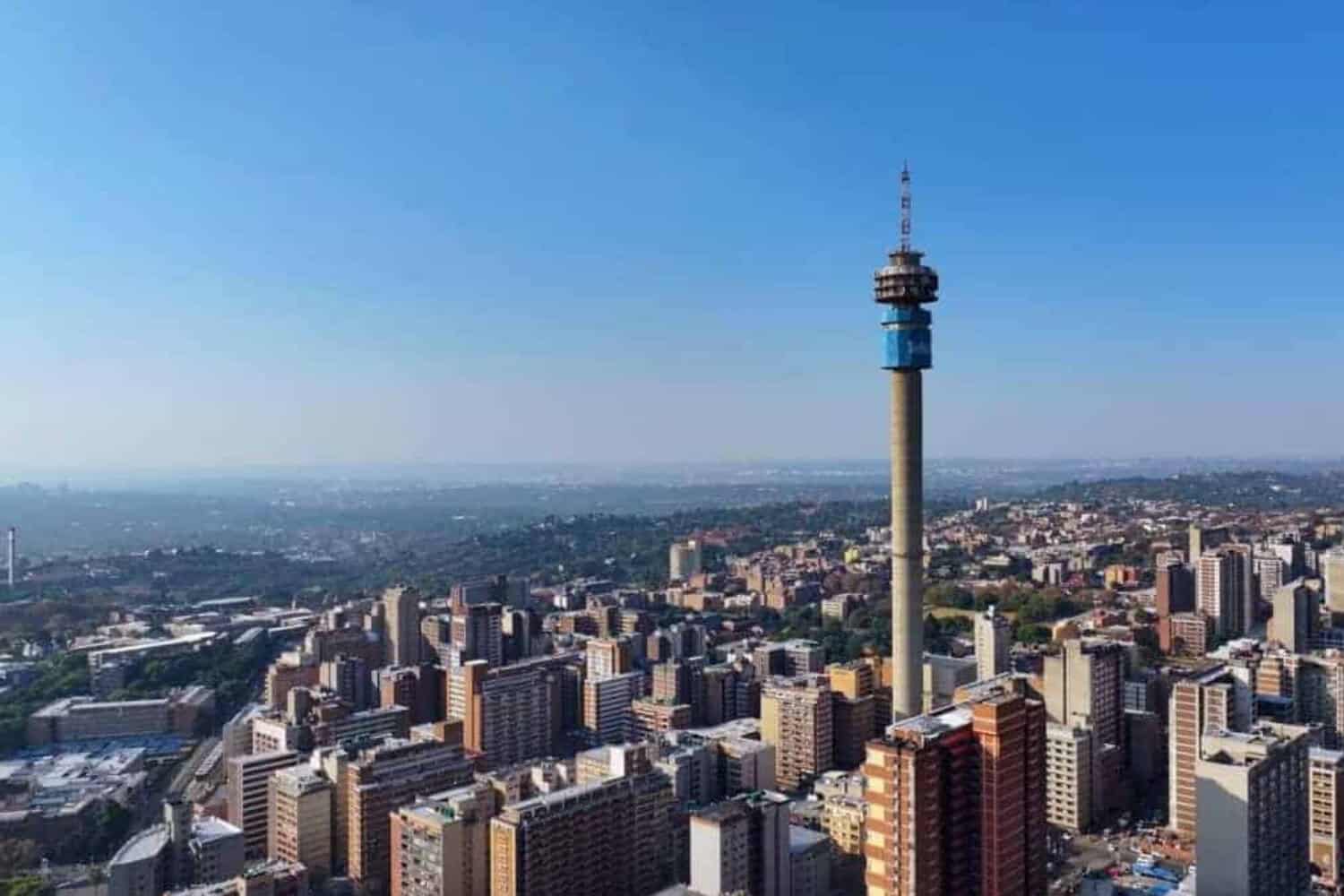
Johannesburg. Picture: iStock


Johannesburg has just finished a year of nationally-mandated course correction, but the coming year will test its newfound resolve.
Hosting the G20 Summit gave the Johannesburg municipality the impetus to clean up the city; however, underlying issues persist.
Twelve months ago, the question had been whether Johannesburg could be saved, and the coming year shall feature many auditioning for the role of saviour.
Johannesburg’s multiple municipal entities have a greater role to play than any single leader, as each comes with its own boards, budgets and performance objectives.
While many slip under the radar, entities like City Power, Johannesburg Water, Johannesburg Roads Agency (JRA), and Pikitup manage the basics of life in Johannesburg.
‘Most complex urban environments’
City Power and JRA had positive years in 2025, thanks in part to the end of load shedding and provincial partnerships, although theft and vandalism remain concerns.
Several entities shared the role of scraping the dirt from the city’s streets and sidewalks, with Pikitup and City Parks and Zoo in a constant fight against litter and illegal dumping.
“The inner-city remains one of the most complex urban environments on the continent. Keeping it clean and orderly is not a once-off event; it is a daily battle.
“That is why we have called for stronger national support on immigration enforcement and informal trading regulations. This is not shifting responsibility, it is recognising reality,” said Mayor Dada Morero recently.
“I said then, and I repeat now, G20 standards must become the norm. Not for visitors, but for the people of Johannesburg. Global success means nothing if it does not improve daily life.
“As we move forward to 2026, our focus remains unchanged: renewal, service delivery and improving the lived expectations of residents,” the mayor said.
‘Not one or two specific areas’
Civil society representatives, however, have warned that the fight to save the city is only just beginning.
Organisation Undoing Tax Abuse (Outa) CEO Wayne Duvenage explained that poor performance and incompetence had bred “a lack of accountability, poor planning, waste and corruption across the board”.
He added that the city’s maintenance backlog and procurement failures remain unaddressed, leading to waste of money and resources.
“This all leads to unsafe conditions and a serious loss of productivity for the people and businesses that attempt to make the best of a difficult living and working environment.
“Therefore, it’s not one or two specific areas that need attention; it’s across the board, and it will take visionary leadership, with stringent conditional management decisions, with consequences and accountability against those who fail to deliver the results,” Duvenage told The Citizen.
“This will not be possible under the current leadership. As the saying goes: you can’t leave people who created the problem, in charge of finding and implementing the solutions,” he added.
Water crisis
Johannesburg’s water infrastructure remains precariously positioned, with water quality fast deteriorating.
The city has been mandated to implement a recovery plan, with Water Community Action Network’s (WaterCan) Dr Ferrial Adam stating that rescuing the situation begins by ringfencing water budgets.
“What we have seen is that without ringfencing the budget, you are going to continue having a utility that cannot pay contractors, and it will affect all infrastructural projects,” Dr Adam told The Citizen.
She further warns of greater strain on infrastructure, water shortages in informal settlements and the overall decline in water quality.
“Threats to infrastructure would lead to the further deterioration of our drinking water. In a country where immunity and health are compromised, the one good thing we need is safe drinking water.
“My fear is that if the water quality deteriorates any further, we are directly impacting people’s basic human rights and their ability to have a healthy life,” Dr Adam said.
Noting that 2026 would be rife with political campaigning, Dr Adam hoped that the water issue would be addressed honestly.
“My wish for this year is that political parties must stop using water as their political tool and actually put the best interests of the country and the city at the forefront, rather than their political ambitions,” Dr Adam said.
Billing issues
Paying the bills is a frustrating obligation in the city, with residents perpetually having to query the figures on statements.
Johannesburg Community Action Network’s (JoburgCAN) Julia Fish said the organisation was making headway in the space and was hoping for “clear and important fixes” to ease fluctuations.
Another area needing addressing for JoburgCAN was the collaboration between JRA and Johannesburg Water regarding reinstatements – the refilling of repair sites.
“This is basic services delivery and the swimming pool jokes won’t last to the ballot box,” Fish told The Citizen.
She added that the Johannesburg Metropolitan Police Department needed to strengthen its by-law enforcement across all departmental partnerships.
“Hijacked buildings, illegal land uses, occupied greenbelts, loud events, etc., come down to a lack of consequences for illegal behaviour.
“Accountability from perpetrators and politicians is our wishlist for 2026,” Fish said.
NOW READ: How did Johannesburg’s MMCs do in the year of the G20 Summit