

Everything you want to know about Bitcoin and cryptocurrencies
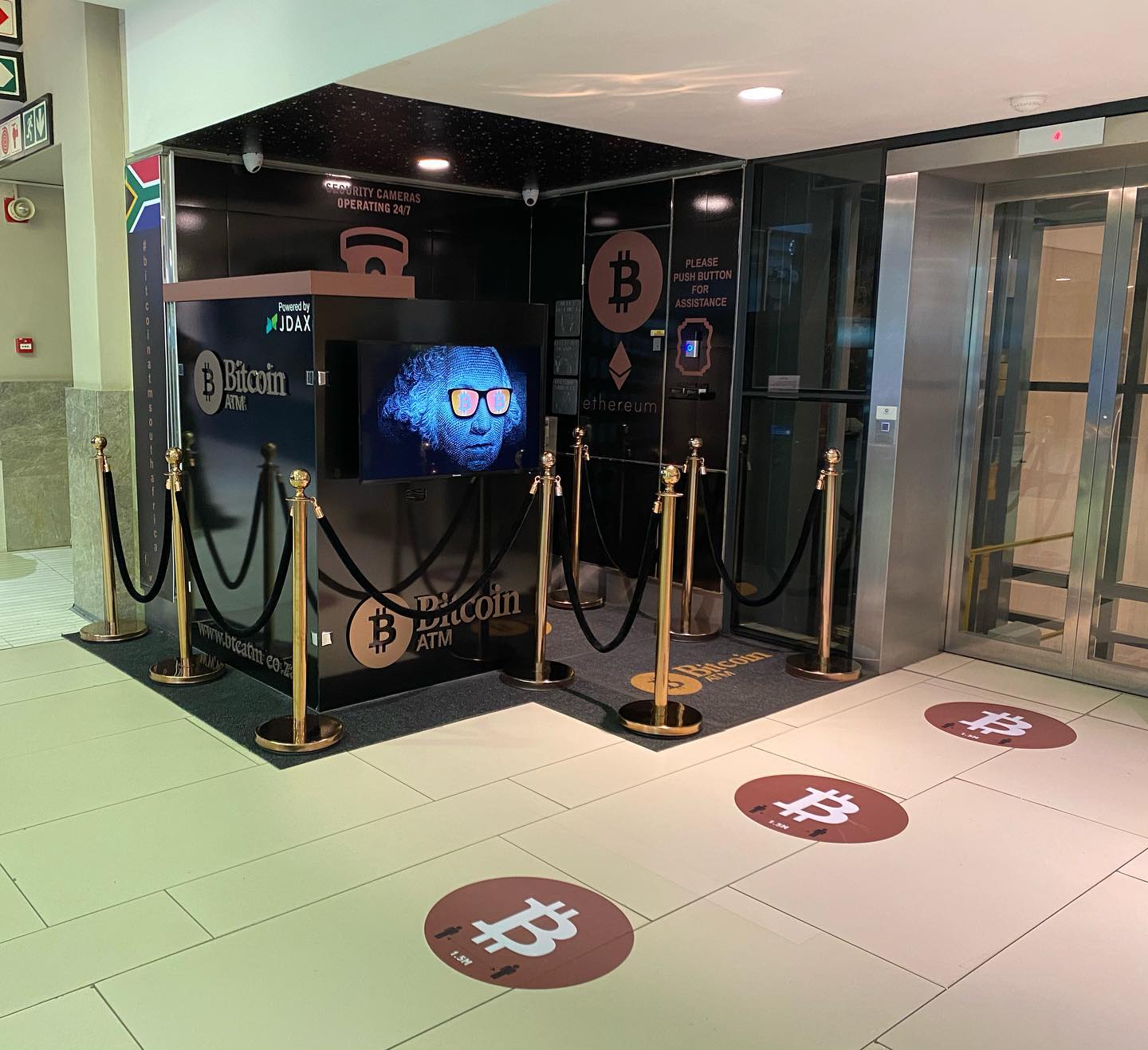
Walk into Sandton City in Johannesburg today and you will see something peculiar. In the corridor that connects Nelson Mandela Square to most of the shops is a new kind of ATM. It is black and orange with a large letter B on the side and has a cubicle where you can sit down. It is not the ATM of a traditional South African bank but allows you to buy Bitcoin and other cryptocurrencies instead.
You might have seen all the buzz around Bitcoin in the news recently as its value continues to soar, with one Bitcoin now being worth about R750 000. This saw the likes of Elon Musk, the South African-born entrepreneur and head of Tesla and SpaceX, announcing in February that Tesla bought R22.6 billion ($1.5 billion) in Bitcoin.
So, it seems that Bitcoin and cryptocurrencies are becoming mainstream. But what is Bitcoin? What is a cryptocurrency? Let’s delve into some of the frequently asked questions.
What is Bitcoin? What is a cryptocurrency?
Very simply put, Bitcoin is virtual money and an electronic payment system. That means it is a vehicle to digitally transact money.
For example, when you buy food online at Takealot or a plane ticket on Computicket’s website, these companies use an electronic payment system to connect to your bank to withdraw money from your account after you enter your card details. When you pay money into a friend’s account using online banking, the bank’s electronic payment system is the link that takes the money from your bank account and pays it into your friend’s bank account.
Bitcoin is just one of several existing cryptocurrencies, just like there are different currencies like the South African rand, the U.S. dollar and British pound sterling in the world today. According to the German database firm Statista, the number of cryptocurrencies has increased from 66 in 2013 to over 4 500 cryptocurrencies in February 2021
What is all the hype about?
One major talking point about Bitcoin is not about the cryptocurrency itself, but the technology that supports it. When you spend money online, you trust intermediaries such as the bank or credit card companies such as Visa and Mastercard to ensure your money is transferred safely. Its records also prevent you and others from spending the same money twice. These companies make money from charging a small fee on every transaction it processes.
In the case of Bitcoin, there is no intermediary involved in processing or issuing new Bitcoins. It is maintained by a peer-to-peer network that, in turn, maintains a decentralised, distributed ledger of all transactions. It is called the distributed ledger because a copy thereof can be distributed to anyone and is available for everyone to access. The distributed ledger where the records of the transactions are kept is built on a technology called blockchain.
Therefore, when a Bitcoin transaction takes place, it is checked against copies of the distributed ledger that is accessible to everyone so that if anyone tries to change any information on the ledger, it will not match up with the other copies of the ledger and the transaction will be declined. This is different from most currencies where a central bank or the government backs and is responsible for issuing new money. One of the easiest ways to buy Bitcoin or other cryptocurrencies in South Africa is to use an exchange such as Luno or Cape Crypto.
The value of Bitcoin and other cryptocurrencies are rising partly because more people are starting to see the value of blockchain technology. It allows you to keep track of cryptocurrency transactions and more. For example, last year high-end watchmaker Breitling started registering its watches on a private blockchain instead of offering a certificate of authenticity to track its watches from one owner to the next. The Associated Press used blockchain to publish its calls for the U.S. Presidential election to battle possible fake news. South African banks and regulators are currently testing a digital currency system in the country.
