

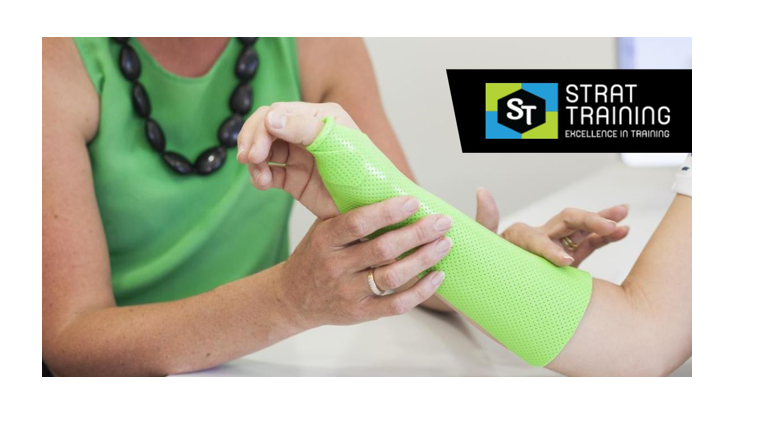
What is a splint?
A splint is a piece of medical equipment used to keep an injured body part from moving and to protect it from any further damage. Splinting is often used to stabilize a broken bone while the injured person is taken to the hospital for more advanced treatment. It can also be used if you have a severe strain or sprain in one of your limbs. Placed properly, a rigid splint will help ease the pain of an injury by making sure that the wounded area doesn’t move. If you or a loved one is injured at home or during an activity, such as hiking, you can create a temporary splint from materials around you.
What is a splint used for?
Splints are applied to treat the following conditions:
- Sprains
- Fractures
- Dislocations
- Control of pain
- Carpal tunnel syndrome: A condition characterized by numbness and tingling in the hand or arm caused by a pinched nerve in the wrist.
- Complex bone fracture
- Tendonitis (inflammation of the tissue connecting the muscle and bone)
What is the purpose of splinting?
The main purpose of splinting is to immobilize the joints and bones above and below the fracture site. This is to prevent bone edges from moving and damaging other muscles, vessels or nerves and further complications. Splinting will be effective when the adjacent joints and bones remain immobilized.
When should be splint application avoided?
Splint application should be avoided in the following conditions:
- Open fracture (the broken bone that tears the skin)
- Impending compartment syndrome (a potentially life-threatening condition in which the pressure builds up in the legs, abdomen or arms)
- Neurovascular compromise (malunion of the nerves and blood vessels)
- Active or developing reflex sympathetic dystrophy (chronic arm or leg pain caused due to injury, surgery, stroke or heart attack)
You might also be interested in: First Aid Training
How is a splint applied?
Before applying a fiberglass or plastic splints, the caregiver places cotton padding as a protective layer to the skin. Splints come in either strips or rolls. The caregiver dips the rolls or strips in water and applies it over the padding covering the injured area. Sometimes, the caregiver even covers the joint above and below the broken bone. The splint must fit the shape of the fractured arm or leg to provide adequate support. The caregiver usually applies a splint to a fresh injury. Once the swelling subsides, the caregiver replaces the splint with a cast. Gradually, as the fracture starts to heal, the caregiver may again replace the cast with a splint.
What to expect after the application of splint?
- Swelling may cause pressure in the splint or cast for the first 48-72 hours.
- You need to elevate your swollen arm or leg for the first 24-72 hours.
- Gentle movements of the swollen arm or leg prevent stiffness.
- You need to apply ice to the splints or cast.
- You need to consult your physician if you experience any of these symptoms around the splints:
- Increased pain
- Numbness or tingliness in your hand or foot
- Burning and stinging
- Excessive swelling below the splint
- Loss of active movement of toes or fingers
How long does a splint stay on?
A splint usually stays on for several days to weeks. A splint is usually preferred in case of swelling. Once the swelling resolves, the doctor will remove the splint and apply a cast. Splints need to be adjusted in the first few days if the injury is swollen.
What else do I need to know about splints?
You need to take good care of the splints for proper healing. You should also remember to:
- Never insert objects inside the splint. They can stick inside or scratch the skin.
- Not allow dirt or sand to get inside the splint.
- Not apply powder or deodorant inside a splint.
How to Make a Splint
What you’ll need for splinting an injury
The first thing you’ll need when making a splint is something rigid to stabilize the fracture. Items you can use include:
- a rolled-up newspaper
- a heavy stick
- a board or plank
- a rolled-up towel
If you’re using something with sharp edges or something that might cause splinters, such as a stick or board, be sure to pad it well by wrapping it in cloth. Proper padding can also help reduce additional pressure on the injury. You’ll also need something to fasten the homemade splint in place. Shoelaces, belts, ropes, and strips of cloth will work. Medical tape can also be used if you have it. Try not to place commercial tape, such as duct tape, directly against a person’s skin.
How to apply a splint
You can follow the instructions below to learn how to apply a splint.
- Attend to any bleeding
Attend to bleeding, if any, before you attempt to place the splint. You can stop the bleeding by putting pressure directly on the wound.
- Apply padding
Then, apply a bandage, a square of gauze, or a piece of cloth. Don’t try to move the body part that needs to be splinted. By trying to realign a misshapen body part or broken bone, you may accidentally cause more damage.
- Place the splint
Carefully place the homemade splint so that it rests on the joint above the injury and the joint below it. For example, if you’re splinting a forearm, place the rigid support item under the forearm. Then, tie or tape it to the arm just below the wrist and above the elbow. Avoid placing ties directly over the injured area. You should fasten the splint tightly enough to hold the body part still, but not so tightly that the ties will cut off the person’s circulation.
- Watch for signs of decreased blood circulation or shock
Once the splinting is completed, you should check the areas around it every few minutes for signs of decreased blood circulation. If the extremities begin to appear pale, swollen, or tinged with blue, loosen the ties that are holding the splint. Post-accident swelling can make the splint too tight.
While checking for tightness, also feel for a pulse. If it’s faint, loosen the ties. If the injured person complains that the splint is causing pain, try loosening the ties a little. Then check that no ties were placed directly over an injury. If these measures don’t help and the person is still feeling pain from the splint, you should remove it.
The injured person may be experiencing shock, which might include them feeling faint or taking only short, rapid breaths. In this case, try to lay them down without affecting the injured body part. If possible, you should elevate their legs and position their head slightly below heart level.
- Seek medical help
After you’ve applied the splint and the injured body part is no longer able to move, call your local emergency services. You can also take your loved one to the nearest urgent care clinic or emergency room (ER). They’ll need to receive a check-up and further treatment.
Splinting the hand
The hand is an especially difficult area to immobilize. Here are some tips for making your own hand splint.
- Control any bleeding
First, treat any open wounds and control any bleeding.
- Place an object in the palm of the hand
Then place a wad of cloth in the palm of the injured person’s hand. A washcloth, a ball of socks, or a tennis ball can work well. Ask the person to close their fingers loosely around the object.
- Apply padding
After the person’s fingers are closed around the object, loosely place padding between their fingers. Next, use a large piece of cloth or gauze to wrap the whole hand from the fingertips to the wrist. The cloth should go across the hand, from the thumb to the pinkie.
- Secure the padding
Finally, secure the cloth with tape or ties. Make sure to leave the fingertips uncovered. This will allow you to check for signs of poor circulation.
- Seek medical help
Once the hand splint is on, seek medical attention at an ER or urgent care centre as soon as possible.
When to contact a medical professional
You should seek immediate medical help should any of the following conditions occur:
- bone protruding through the skin
- an open wound at the injured site
- loss of pulse at the injured site
- loss of sensation in the injured limb
- fingers or toes that have turned blue and lost sensation
- a feeling of warmth around the injured site
The takeaway
When faced with an emergency injury, your first action should be arranging proper medical attention for the injured person. While waiting for qualified help or to assist with transportation, a homemade splint can be effective first aid. You must, however, carefully follow instructions so that your splinting doesn’t make the injury worse.
Stay in the loop with The North Coast Courier on Facebook, X, Instagram & YouTube for the latest news.
Mobile users can join our WhatsApp Broadcast Service here, or if you’re on desktop, scan the QR code below.