

Freaky Friday: Solar eclipse, supermoon, autumnal equinox
An extremely rare astronomical event, with the next one happening in 2034.
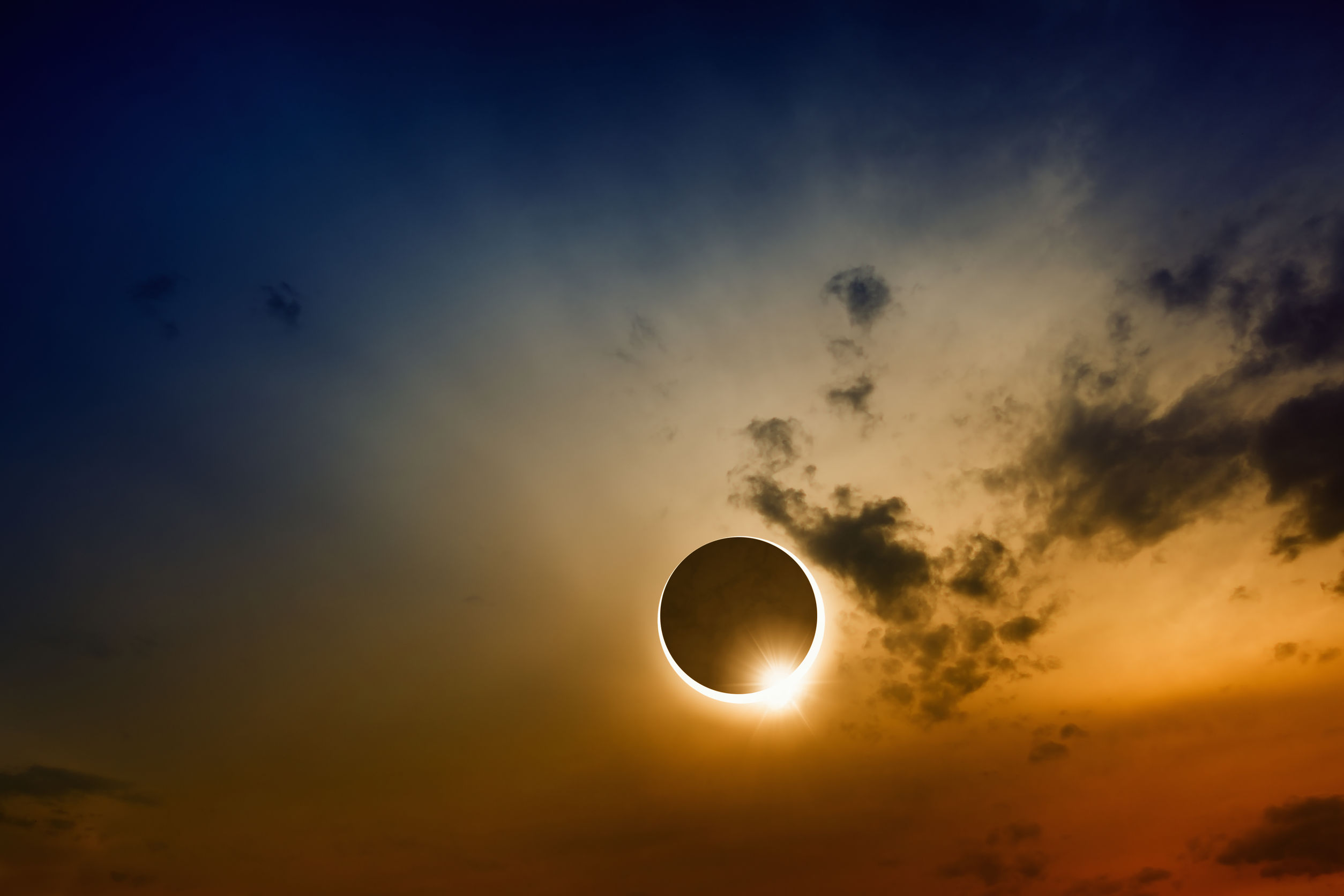
Today, Friday March 20, arrives in style with the rare astronomical co-incision of a new moon ‘supermoon’ total solar eclipse and the spring equinox (or autumnal equinox here in the Southern Hemisphere) falling on the same day.
In the Northern hemisphere, where the eclipse will be most visable, it is also the first day of spring!
This is the Earth’s first – and only – total solar eclipse of the year and the first one since November 2013, NASA reports.
According to an article by themindunleashed.org this moon is called a ‘supermoon’ because it is at the closet point to the earth in its orbit, only about 357,584 kilometers. But, the moon will not be visible to Earth because it is a new moon. There will be a total six supermoons in 2015. Two have already happened, Friday marks number three, and the remaining three will occur in August, September, and October.
Eclipses can only happen at the new moon, when the moon passes in between the sun and the earth, blocking out the sun’s light. Today the moon will completely block out all of the sun’s light in a few select places in the Northern Hemisphere, leading to a near ‘totality’ (or complete darkness) close to two minutes over Greenland, the Faroe Islands (UK) and a small group northern Norwegian Islands called Svalbard. In these areas, the shadow of the eclipse will measure as large as 90 miles! The most incredible part of the eclipse, when the moon is directly in front of the sun, will take place at approximately 9:46 pm UT (5:46 am ET).
Some Northern European countries including Ireland, Scotland, Norway, Finland and Sweden will see at least 90 percent of the eclipse (weather permitting), whereas 50 to 80 percent of the eclipse will be visible on the mid-European continent. If you don’t live in Europe, you can still watch the eclipse live online thanks to the Slooh Community Observatory. Also please remember that you should never look directly at a solar eclipse because it can damage your eyes.
This solar eclipse falls on the vernal equinox in the Northern Hemisphere and on the autumnal equinox in the Southern Hemisphere, marking a transition in the Earth’s journey around the sun. At each equinox, the sun passes the Earth’s equator, making it directly overhead at noon. Essentially after the vernal equinox in the Northern Hemisphere, the number of hours of daylight increases, whereas the opposite is true in the Southern Hemisphere where Friday marks the autumnal equinox.
A solar eclipse on the vernal equinox is a rare celestial event indeed, with the next one happening in 2034, and then it will not happen again until 2053 and 2072!
Stay in the loop with The North Coast Courier on Facebook, X, Instagram & YouTube for the latest news.
Mobile users can join our WhatsApp Broadcast Service here, or if you’re on desktop, scan the QR code below.