

Goodbye copper, hello fibre
Fibre optic cables is the future for internet connections, but it comes at a price.
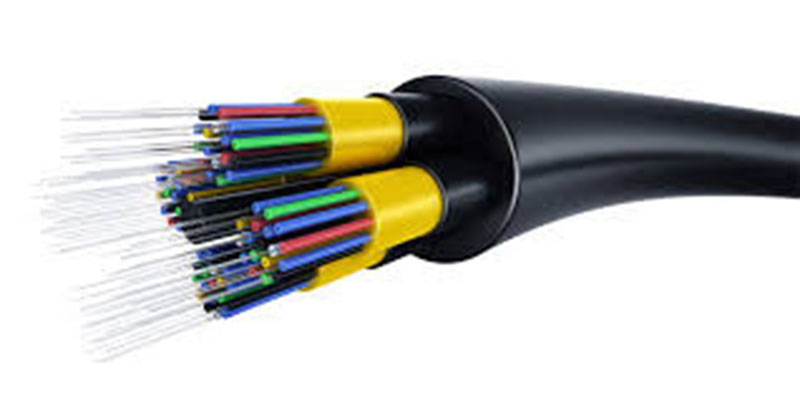
Fibre optic cables is the buzz word when it comes to fast internet connection and the Dolphin Coast is following the trend.
The only thing holding back some businesses and households from jumping on the speedy bandwagon, is the cost to connect to the existing link running right up to Mtunzini.
National based Internet Solution Provider (ISP) Company, XDSL Networking Solutions’ commercial manager, Johan Olivier explained why it is so expensive.
“Although there are major fibre links running between cities, you still need a so called ‘last mile’. This refers to a distance of about 100m between the main link and the home or business requiring access,” said Olivier.
“Creating this access takes time as permission needs to be given by the various municipal departments. Once the red tape is done, you will have to pay between R450 – R750 per metre.”
Olivier however said most internet service providers are now getting on board with fibre optic cables, which means more suppliers and lower prices.
“With about 200,000km of fibre, we have one of the largest reaches in South Africa. In the next three and a half years, the country should be saturated by fibre,” he said.
Why go through this effort and reach into your pockets for a fibre optic cable connection?
“We started with electrical signals across copper wires and have evolved to the current light signals going across glass strands or fibre optic cables,” said Olivier. He added that our copper infrastructure is incredibly vast and up until the late 2000’s it was very sound, but now the copper is starting to degrade and is often stolen.
For this reason, South Africa has been introducing the fibre optic cables for about the last 15 years.
“Fibre is a future proof generation cable, used to transmit signals across long distances,” said Olivier.
This new generation cable offers great benefits, such as lower and easier maintenance.
“It is easy to pinpoint or detect a break in fibre cables. A light signal is sent along the cable and will bounce back where there is a break. The time needed for the signal to travel back, is used to measure the distance to the break,” he said.
Another pro is that the cable offers more versatile installation methods.
“Instead of just going into the ground, fibre optic cable can also be submerged in water. In fact most of SA’s international internet links are submerged under the sea.”
They also offer a much faster connection.
“Sending a light signal across the glass strands travels at almost the same speed as a light signal in the atmosphere. The quality of the signal does not degrade over time, allowing for very little delay.”
Furthermore, Olivier said the glass strands can be made from recycled glass, making it an eco-friendly option.
“In a nutshell, fibre is a lot more reliable, stable and faster. Once you have experienced fibre, you will never go back,” he said.
Stay in the loop with The North Coast Courier on Facebook, X, Instagram & YouTube for the latest news.
Mobile users can join our WhatsApp Broadcast Service here, or if you’re on desktop, scan the QR code below.