
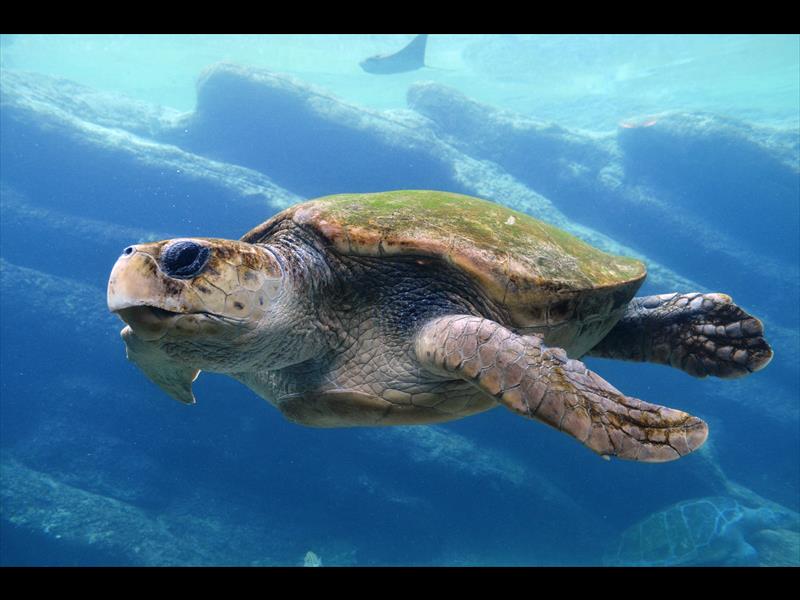
Ever so often, a special visitor drags its heavy self onto the North Coast beaches, digs a massive hole and leaves about 100 eggs behind.
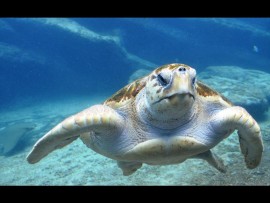
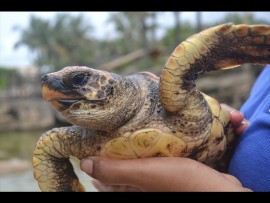
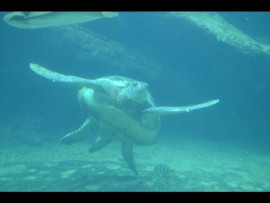
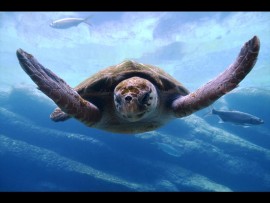
This is the tough beginnings of a Loggerhead turtle. If left in peace, the eggs hatch and little shells scurry down to the water’s edge, hoping to make it in before the birds get them. Once in, they neatly fold their feet onto their shells and float for two years, eating whatever else floats such as bluebottles. Once adults, they start diving, eat crabs, prawns and other crustaceans and keep away from sharks.
One to two out of a thousand hatchlings make it to the age of two. Still, they have survived for 200 million years and have had a recent global status upgrade from “endangered” to “vulnerable”.
The South African Association for Marine Biological Research (SAAMBR), based at uShaka Marine World, has played an integral part in a number of conservation projects to improve their survival rate, which helped to achieve this upgrade.
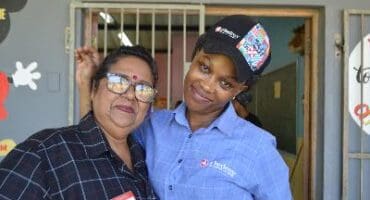
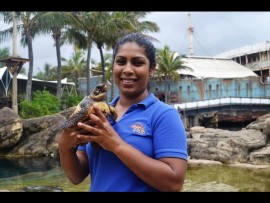
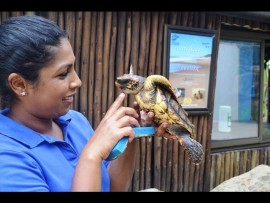
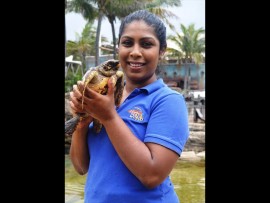
Lover of all things turtle, Malini Pather has dedicated her life to the heavy shells and is the mother of seven rehabilitated turtles living at uShaka.
“In my mind there are only two species – homo-sapiens and turtles. They are fascinating animals with so much personality and they are very clever. All of our turtles were stranded. We take them in, rehydrate, feed and rehabilitate them. It is a slow process and they usually stay for a few years, until they are ready to be released,” said Pather.
Some become permanent residents, such as Napoleon.
“Napoleon is our special turtle. He could not swim, due to brain damage. We gave him intense swimming lessons, where two of us moved his flippers, while he was on a floating device. We did not know if he was going to make it, but I fell in love with him and had to try. He now swims, dives and enjoys a good scratch.”
When encountering a turtle, she said you should never touch or interact with it.
“If you see a turtle while diving and he looks stuck, do not touch him. They usually lodge their head under a rock so that they do not float away while sleeping. If you find a stranded turtle, call KZN Wildlife on 082 559 2847.”
Pather said the best way we can help turtles, is by not using plastic bags or straws.
“Turtles love eating jellyfish and often mistake a floating packet for one. We had a lot of Loggerheads come in last year with plastic in their stomachs, often leading to a slow death. By not using plastic, we can prevent so many sad deaths. The fact that they are now “vulnerable” means we are doing something right. Let’s carry on doing that.”
Do you want to receive news alerts via WhatsApp? Send us a WhatsApp message with your name and surname to 061 718 4438.
Please read our WhatsApp broadcast list disclaimer.
Join us on BBM at 59015786
Join the conversation on Facebook, Twitter and Instagram.
Stay in the loop with The North Coast Courier on Facebook, X, Instagram & YouTube for the latest news.
Mobile users can join our WhatsApp Broadcast Service here, or if you’re on desktop, scan the QR code below.