

Tembe’s great tuskers are rare and precious
Ernest Robbertse created employment opportunities through the conservation of the elephants themselves.
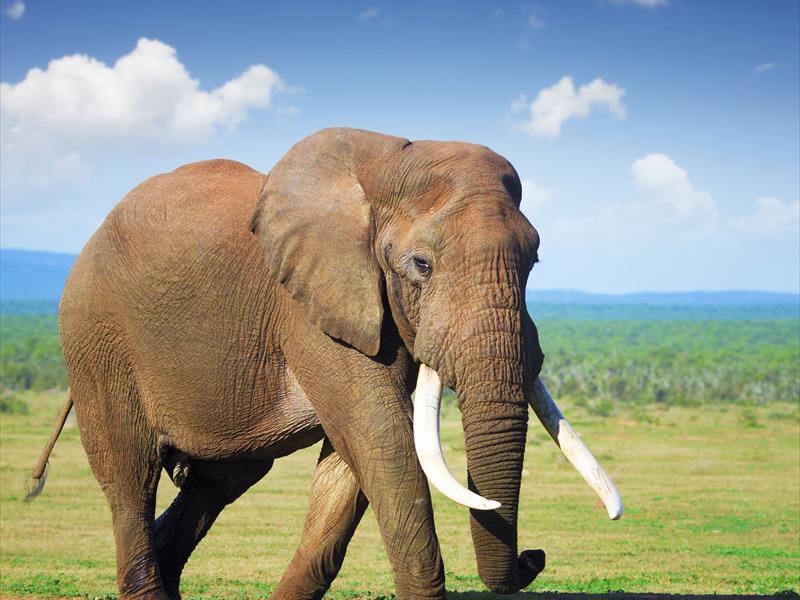
An audience of more than 100 passionate wildlife lovers met at Simbithi Country Club’s Pavilion Room last Wednesday, March 2 for a talk on the ‘great tusker’ elephants of Tembe Elephant Park in northern KZN.
The talk was given by Ernest Robbertse – a Westville resident who has been working to restore the Tembe elephant population since 1998 – who shared his experience with these legendary elephants and the rural community of people he works closely with.
According to Robbetse, a staggering 80 percent of the Tembe community are unemployed, which allowed him to see and seize the opportunity to create employment opportunities through the conservation of the elephants themselves.
“With 80 percent of a community out of work in an area with little to no infrastructure and a population of rare and beautiful elephants, there lies a real incentive to tackle the issue of poverty through the continuous goal of conservation,” said Robbertse.
He said the global demand for ivory has decimated elephant populations across the continent since the 1980s, with an unbelievable 100 000 elephants killed over three years between 2012 and 2014.
As a direct result of the illegal ivory trade, the ‘great tusker’ elephants of legend have become as rare as they are magnificent, with only one adult bull tusker alive in Tembe right now. The park, as it currently stands, has a population of about 152 elephants on the South African side of its perimeter, with about 220 across the border on the Mozambican side.
Tembe, along with the Tsavo region in Kenya, are the only two places in the world where great tuskers are naturally found, which makes these elephants very rare and incredibly precious. The talk went far in unveiling the complex nature of elephants, and how their varying life experiences dramatically influence their behaviour.
The animals on the South African side are relatively calm and docile, while the Mozambican elephants are extremely aggressive – a consequence of the Mozambican war, which saw many elephants wounded and killed by humans.
One of the organisers of the event, Ballito resident Chris Matthews of the Ballito Bird Club said the talk was a huge success and is one of the 12 events of its kind to be held every month throughout the year, with Simbithi Eco-Estate organising six and the Bird Club covering the remainder.
“Some very interesting points were raised during the talk, including whether an open corridor through Tembe will be created to join the South African and Mozambican sides together, which is apparently a plan already very much in motion,” said Matthews.
The opening of this corridor is planned to expand the roaming territories of elephants on both sides of the park while also better integrating the populations and breeding them to secure the healthiest possible elephant populations in the future.

Do you want to receive news alerts via WhatsApp? Send us a WhatsApp message with your name and surname to 061 718 4438.
Please read our WhatsApp broadcast list disclaimer.
Join us on BBM at 59015786
Join the conversation on Facebook, Twitter and Instagram.
Stay in the loop with The North Coast Courier on Facebook, X, Instagram & YouTube for the latest news.
Mobile users can join our WhatsApp Broadcast Service here, or if you’re on desktop, scan the QR code below.