

The rural way is Ubuntu
Through death, many traditions are kept alive in rural Maphumulo. North Coast Courier's Sboniso Dlamini shares his story of how a community comes together as one when death knocks on the door
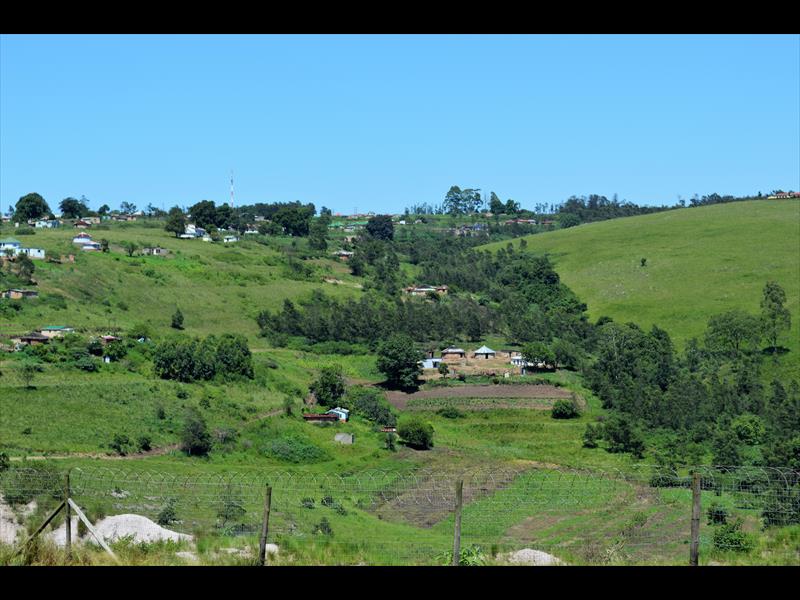
In rural Maphumulo, death is a constant companion. But unlike the debt-inducing funerals of the townships, the burden is light because it is carried by everyone.
This is the spirit of Ubuntu.
I am from KwaDweshulwayo in Maphumulo, which is 20km from Glendale and about 20km west of KwaDukuza. It is very rural and the majority of the people who live there are poor. But the way we support and respect one another, especially when someone dies, is priceless.
Death is not a private matter, it is the concern of everyone.
When a man dies, his female neighbours are expected to go and stay at his house with his widow.
This is to ensure that she does not feel lonely. They will stay there until the day of the funeral.
Some of them will help with cleaning the yard, others collecting water and wood and still others will make uMqombothi, Zulu beer.
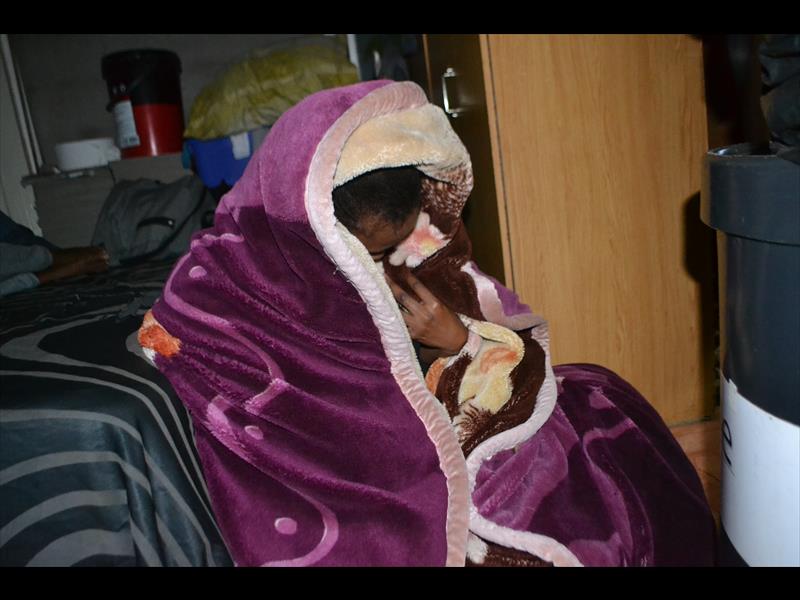
This leaves the widow, dressed in black mourning clothes, free to sit on the left hand side of the house on a Zulu mat called ‘icansi’, covering her head with a blanket. There she will stay until the funeral is over.
The day before or in the early hours on the day of the funeral, the chief’s messenger will go around blowing his whistle informing all the men that they should come and assist. It does not matter what kind of a person you were or how popular or unpopular you were, the men will start to arrive around 4.30am to dig the grave, even if it is raining.
Politics and religion are put aside for the occasion. There is no dress code, unlike other areas (especially the townships), where many people turn a funeral into fashion show.
You find different church organisations under one roof, all to show their sympathy. All this is done for free.
You only need to worry about catering expenses, if you can afford them, and the transportation of the body from the mortuary. Usually when there is a funeral, neighbours avoid playing loud music and sometimes an event date will be changed.
I have never seen a wedding or any other cultural event taking place while there was a funeral being held next door. This is not the case in the townships.
When a funeral is taking place the entire community comes to a standstill. A hushed silence falls and no one is allowed to work in their gardens, in order to show sympathy and support for the family of the dead.
Everyone attends the funeral and offers their help, whether they knew the deceased or not. Sadly this tradition is fast disappearing, even in some rural areas, where the people have adopted the urban lifestyle of minding your own business. But in KwaDweshulwayo this is our norm.
We stand together, joining hands in both the good and the difficult times.
Family matters
If a member of my family dies I will be expected to take leave, usually a week or more, because I will have to go in and out of the family meetings and sort out any financial issues, especially if that person did not have a funeral plan.
There are traditional ceremonies after the funeral that also need to be planned.
For example, the cleansing ceremony needs to be done three to four days after the funeral. This is only for the family, including the extended ones, but not his wife. His wife has a separate cleansing ceremony a year later (the time frames differ depending on the area).
When someone dies it is believed that his or her family would be shrouded in a dark cloud. The cleansing ceremony wipes this away.
If the family fails to perform the ceremony it is believed that things will never go right for them. So for those who believe in ancestors the cleansing ceremony is very important.
Usually a goat is slaughtered and the gallbladder fluid will be mixed with water and family members will have to use that water for bath. This would usually be done early in the morning.
After a certain time (six months or a year) a cow will be slaughtered and an ihlambo will be done. For ihlambo, all the men in the area will meet at his house in the morning. They will go as a group to bath in a river separating two areas. After having a bath, they will have to throw stones across the river.
This is called umjik’jelo. It is believed that by throwing stones they would be throwing away bad luck away from their area. They will go back home and enjoy the meat and Umqombothi.
>>> Meet the top players in the North Coast property industry. See our Property People feature.
>>> Looking for a church? Check out our Churches on the North Coast feature.
Do you want to receive news alerts via WhatsApp? Send us a WhatsApp message (not an sms) with your name and surname to 061 718 4438.
Please read our WhatsApp broadcast list disclaimer.
Join us on BBM at 59015786
Join the conversation on Facebook, Twitter and Instagram.
Stay in the loop with The North Coast Courier on Facebook, X, Instagram & YouTube for the latest news.
Mobile users can join our WhatsApp Broadcast Service here, or if you’re on desktop, scan the QR code below.