

A tour of Durban’s dark whaling past
The former Durban whaling station is in a restricted military area in the Bluff
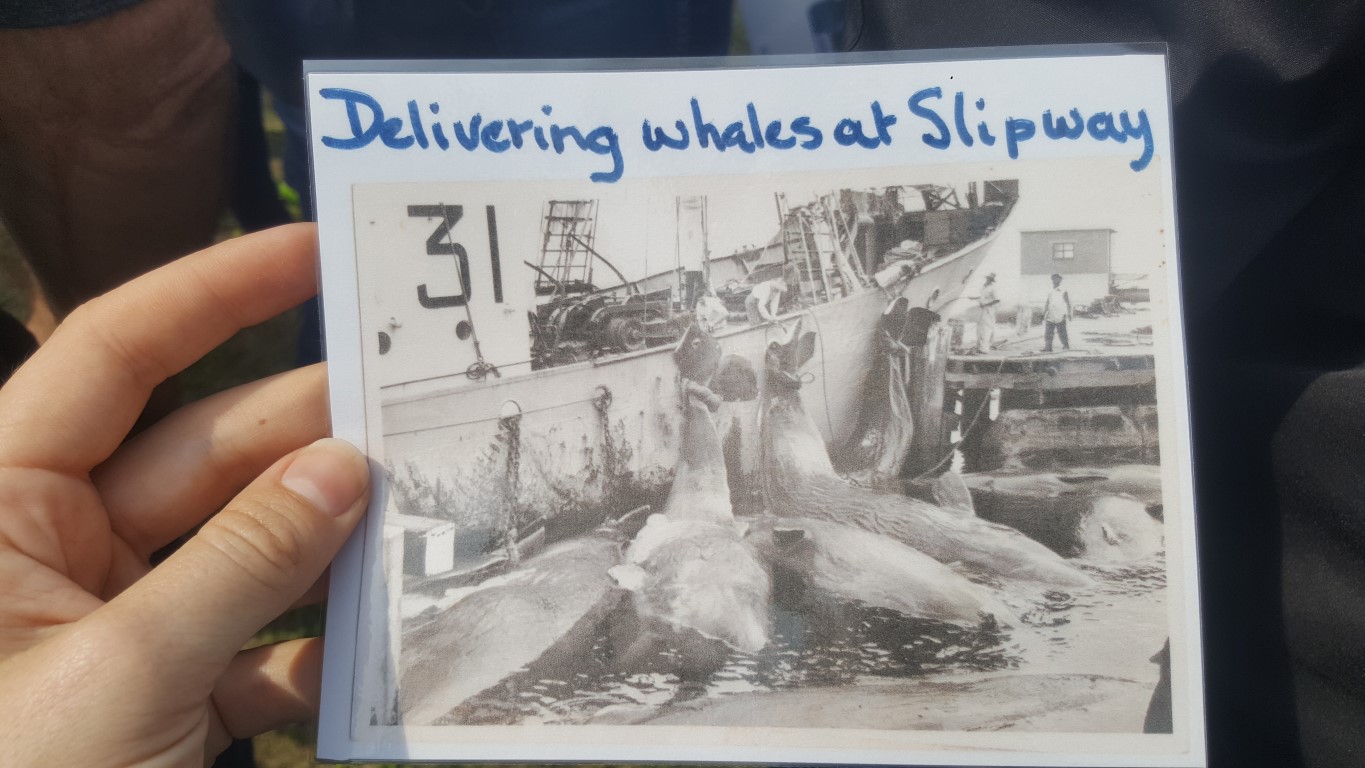
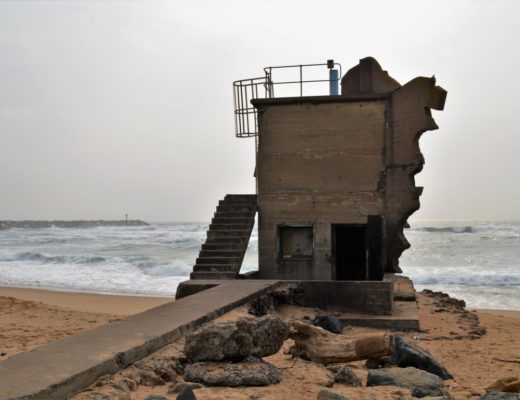
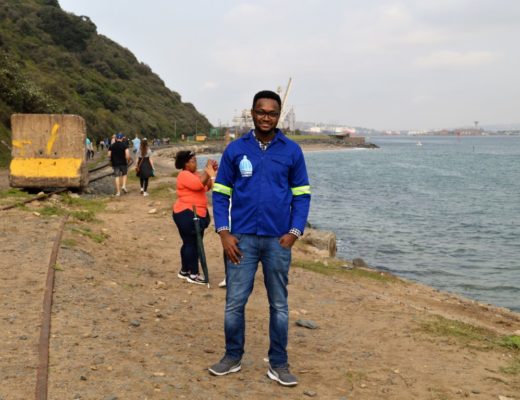
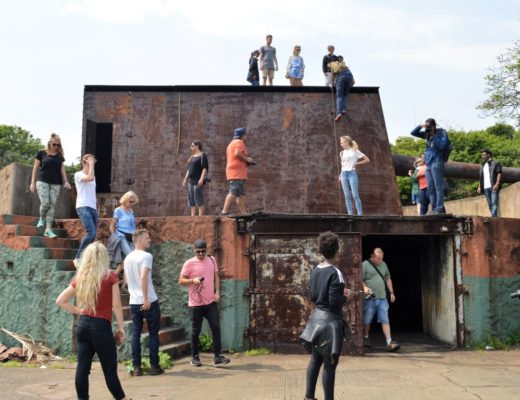
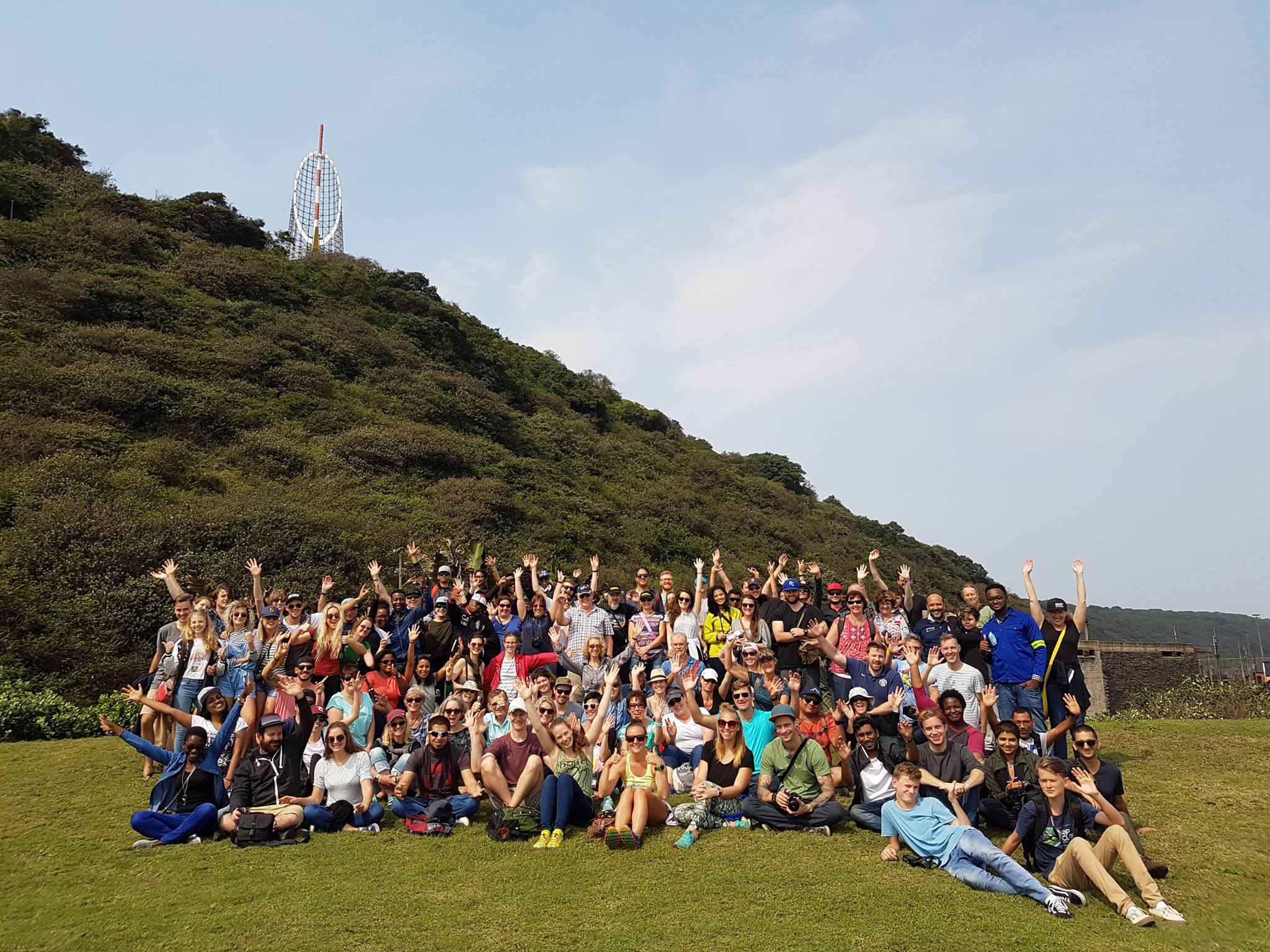
Dressed in sneakers and armed with Instagram, 120 curious Durbanites met on the steps of the Durban City Hall on Saturday, ready to get into the bus and trek to the restricted military area on the south side of the Bluff to visit the city’s former whaling station.
With the aim to explore Durban’s hidden treasures and share the stories that make up the city’s history, BESETdurban creates exclusive tours around the city to forgotten places and in this case, forbidden areas.
Established in 1908, the whaling station at the foot of the south pier was started by Norwegians – the leaders in the whaling industry at the time who pioneered a more efficient way of catching and processing whales.
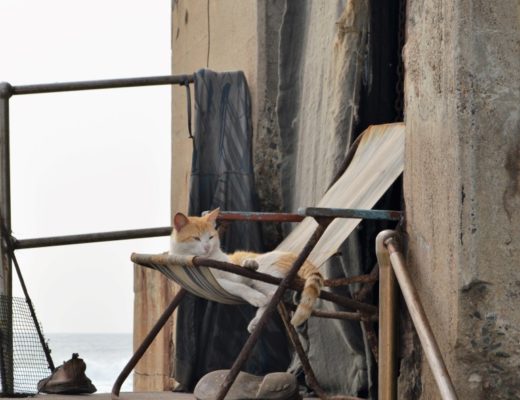
A highlight of the tour was to have the former factory manager of the whaling station, Peter Froude share his memories and anecdotes about the once massively successful industry.
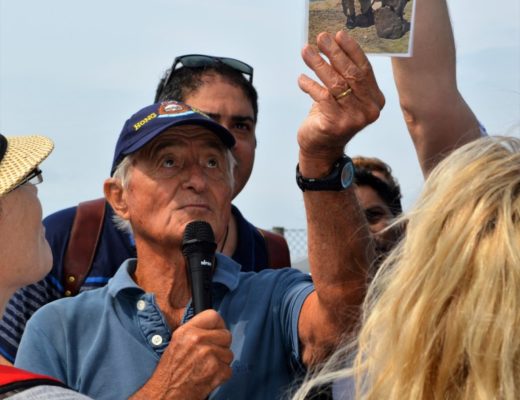
Froude said the whaling station was a huge set up and extremely profitable in the 1950’s.
“Union Whaling was probably one of the biggest and most sophisticated whaling stations in the world. The factory was about a kilometre long and employed well over 1000 people on its heyday,” said Froude, who was one of nine chemists working there.
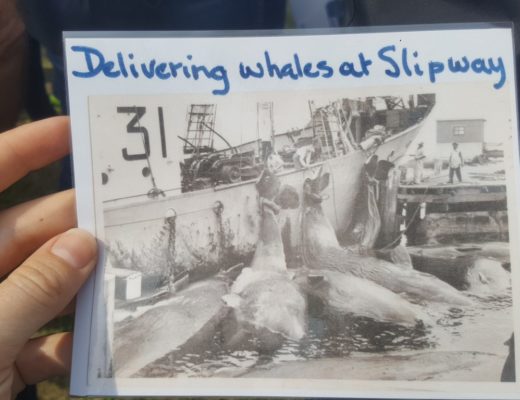
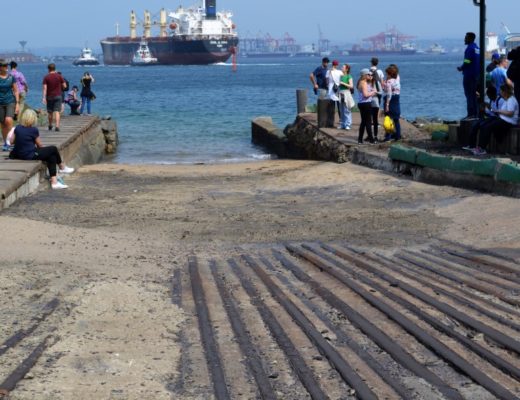
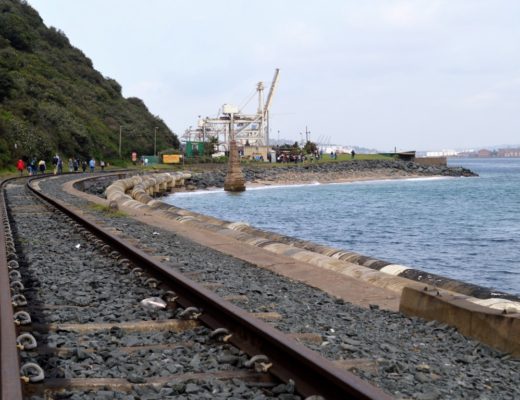
Froude said the entire whale was processed at the station, nothing went to waste.
“About 26 products were made using various parts of the whales: blubber was turned into oil and used in soap, margarine and even cooking fat; sperm oil (from sperm whales) was used in lubricants for machinery, in candles and pharmaceuticals; bone and protein meal went into animal feed and the good meat was frozen.
“In Japan, whale meat is still very popular and extremely expensive.”
Another rather disgusting but incredibly lucrative byproduct of whaling was Ambergis.
“Sometimes sperm whales have this intestinal blockage made up of bits like squid beaks which they secrete after a while.
“This Ambergis is worth a fortune and is used in high-end perfumes as it helps to make the fragrance last longer.”
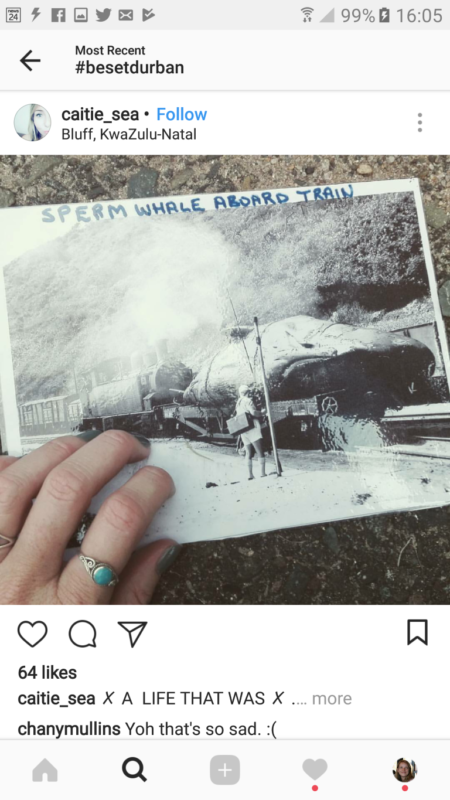
While whaling was a roaring business, it did start slowing down in the 1970’s.
“There were various issues that led to the shut down of the station, one being that the residents were upset about the smell.
“The main reason, however, was the international condemnation of whaling, as the world had woken up to the fact that whales were being depleted,” said Froude.
Watch BESETdurban’s Facebook live video below to hear Peter Froude tell the tale of the end of the whaling station.
https://www.facebook.com/besetdurban/videos/2041455639416721/
The abandoned area will soon be brought back to life with plans to build a demo desalination plant, funded by the Japanese government.
To get notified about the next BESETdurban tour, sign up here and wait for that magic mail.
>> Ready to say ‘I Do’ on the Dolphin Coast? Meet the team ready to advise, help and deliver on your big day.
>> Visit our Education feature for a collection of all the best schools, tutoring systems, and even some colleges and training facilities on the North Coast.

Do you want to receive news alerts via WhatsApp? Send us a WhatsApp message (not an sms) with your name and surname to 061 718 4438.
Please read our WhatsApp broadcast list disclaimer.
Join us on BBM at 59015786
Join the conversation on Facebook, Twitter and Instagram
Stay in the loop with The North Coast Courier on Facebook, X, Instagram & YouTube for the latest news.
Mobile users can join our WhatsApp Broadcast Service here, or if you’re on desktop, scan the QR code below.