

Weather Alert: Severe thunderstorms predicted
Heavy rain with possible flooding is expected in the eThekwini, iLembe, King Cetshwayo and uMkhanyakhude districts this afternoon.
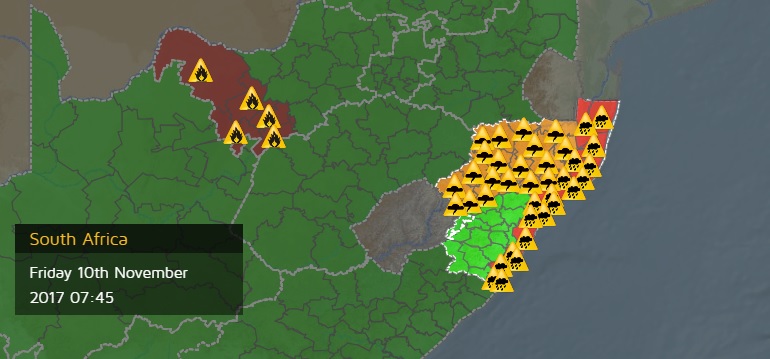
The South African Weather Service has issued a warning for heavy rain with possible flash flooding in the eThekwini, iLembe, King Cetshwayo and uMkhanyakhude districts this afternoon.
Severe thunderstorms with possible hail and strong winds are also expected this afternoon between Tugela and Zululand.
Good morning. A stormy day expected in eastern parts of SA today (10 November 2017). Please be advised of the alerts. Thundershowers already visible along the south-east coast this morning. pic.twitter.com/tgYJZiG1Lc
— SA Weather Service (@SAWeatherServic) November 10, 2017
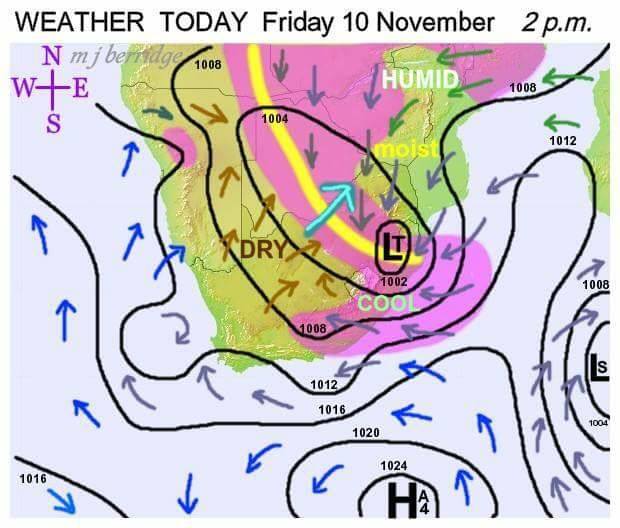
According to the Storm Report SA Facebook page, “the entire east and south east coast and adjacent interior from Port Elizabeth to about Cape St Lucia will be cloudy throughout the day with showers or drizzle patches. The arrival of the zone of convergence will produce heavier rain because the inflow from the north is becoming more humid.
“As the rain moves northeastward, the areas that received rain early in the day will be invaded by a dry westerly wind which will cause the sky to clear from the west.
“The south eastern provinces, such as East Cape and KZN, will remain cool in the cloud.”
Here are six tips to remember when driving in heavy rain:
- Adjust your seat – Ideally you should sit no more closer than 10 inches from the steering wheel. You should be positioned close enough to maintain a bend in your elbows.
- Be prepared for skidding – If you skid, avoid slamming on the brakes. Although this is usually an immediate response, slamming on the brakes could upset your car’s balance and cause you to lose control. Rather look and steer in the direction you want to go.
- Know when to pull over – When you cannot see the bends on the road or vehicles in front of you, turn on your hazards and pull over.
- Be aware of big vehicles- Tractors and trucks are more prone to swerve should the wind speed increases. The drivers could have difficulty staying in their lane. Avoid overtaking and increase your following distance.
- Protect yourself from hydroplaning – IPSS Medical Rescues Paul Herbst said hydroplaning occurs when a car is traveling too fast in heavy rain, causing the tires to drive in a thin layer of water rather than grip the surface of the road. It makes steering and braking difficult. Slowing down is the only way to avoid hydroplaning.
- Back to basics – Keep your headlights on, maintain a safe following distance, drive slower and wear you seat belt at all times.
>> Ready to say ‘I Do’ on the Dolphin Coast? Meet the team ready to advise, help and deliver on your big day.
>> Visit our Education feature for a collection of all the best schools, tutoring systems, and even some colleges and training facilities on the North Coast.

Do you want to receive news alerts via WhatsApp? Send us a WhatsApp message (not an sms) with your name and surname to 061 718 4438.
Please read our WhatsApp broadcast list disclaimer.
Join us on BBM at 59015786
Join the conversation on Facebook, Twitter and Instagram
Stay in the loop with The North Coast Courier on Facebook, X, Instagram & YouTube for the latest news.
Mobile users can join our WhatsApp Broadcast Service here, or if you’re on desktop, scan the QR code below.