

WATCH: How to identify a rip tide and save yourself from one
Identify a rip tide and know how to get out of one with these lifesaving tips.
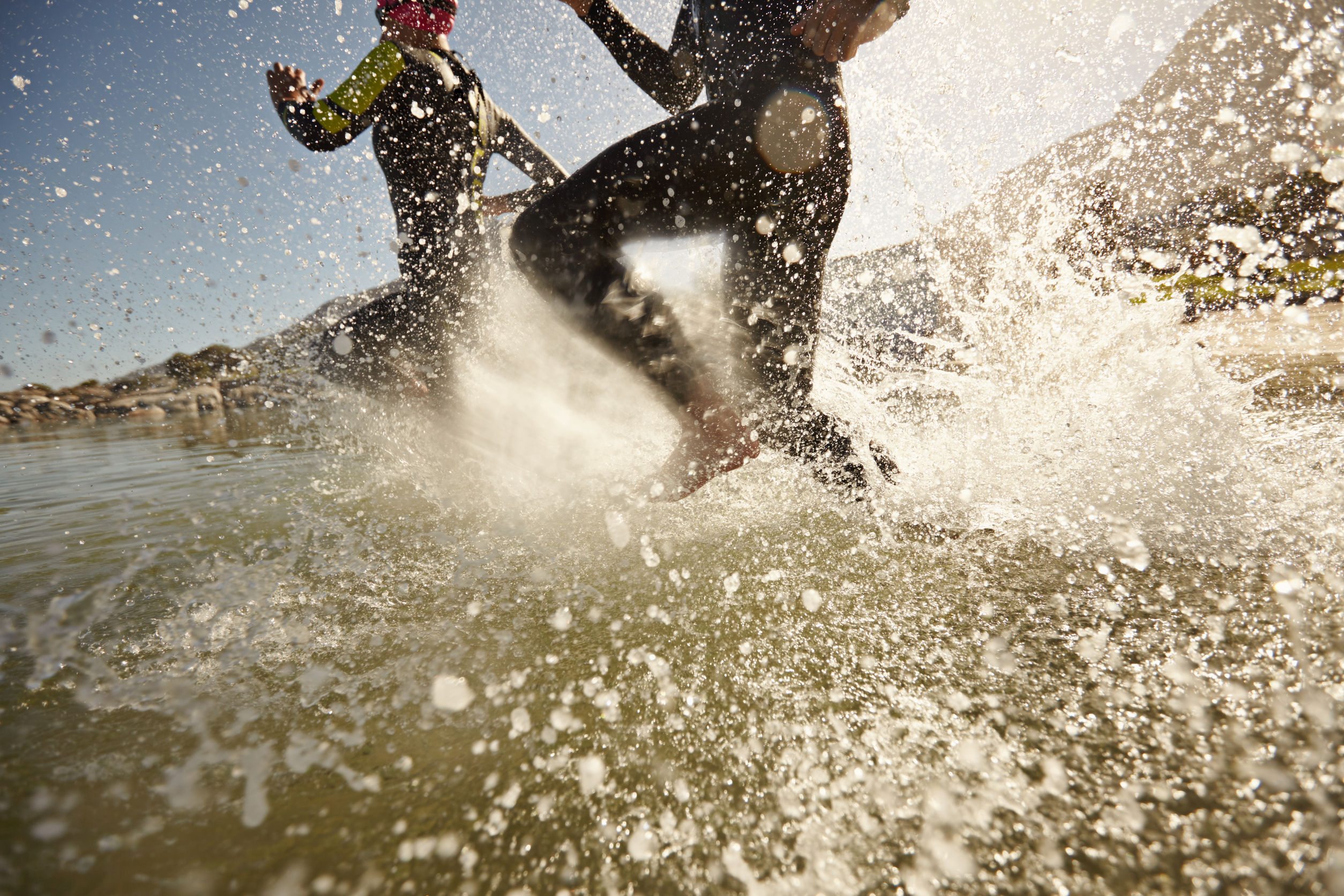
Before heading to the beach it is a good idea to educate yourselves on the dangers and also how to identify a rip tide.
What causes rip currents
Waves contain the energy that generates currents at beaches. These currents are the ones that primarily affect bathers and swimmers and extend from the shoreline to the outermost breakers (the surf zone).
Tidal jets are another dangerous current (totally unrelated to waves) that occur locally at inlets or other constrictions; these strong currents are caused by the flooding and ebbing tides.
Wave breaking produces swash—the water that moves up and down a beach face.
The sheet of water moving up the beach is called the swash uprush or just uprush. The larger the breaking wave, the deeper and faster moving is the uprush.
Also read: Tragic double drowning as family attempts rescue at Salt Rock
The swash that does not sink into the sand is then drawn by gravity down the beach as water seeks its own level. When the waves are high and the beach is steep, the swash backwash can be powerful and is sometimes called undertow, which can knock you around, but is seldom a problem except for children.
Signs—look carefully for telltale signs of rips before entering the ocean:
- Change in water colour from the surrounding water (either murkier from sediments, seaweed, and flotsam or darker because of the depth of the underwater channel where the rip flows).
- Gap in the breaking waves, where the rip is forcing its way seaward through the surf zone.
- Agitated (choppy) surface that extends beyond the breaker zone.
- Floating objects moving steadily seaward.
- Water in the rip may be colder than the surrounding water.
What to do—if caught in a rip current:
- Don’t panic, it wastes your energy and keeps you from thinking clearly.
- Don’t attempt to swim against the current directly back to shore.
- Swim parallel to shore until you are out of the current as the offshore flow is restricted to the narrow rip neck.
- Float calmly out with the rip if you cannot break out by swimming perpendicular to the current. When it subsides, just beyond the surf zone, swim diagonally back to shore.
For more information on rip currents visit: RipCurrents.com
WATCH:
>> Ready to say ‘I Do’ on the Dolphin Coast? Meet the team ready to advise, help and deliver on your big day.
>> Visit our Education feature for a collection of all the best schools, tutoring systems, and even some colleges and training facilities on the North Coast.

Do you want to receive news alerts via WhatsApp? Send us a WhatsApp message (not an sms) with your name and surname to 061 718 4438.
Please read our WhatsApp broadcast list disclaimer.
Join us on BBM at 59015786
Join the conversation on Facebook, Twitter and Instagram
Stay in the loop with The North Coast Courier on Facebook, X, Instagram & YouTube for the latest news.
Mobile users can join our WhatsApp Broadcast Service here, or if you’re on desktop, scan the QR code below.