

Shot hole borer beetles threat to trees on the North Coast
"The Dolphin Coast is now the seventh confirmed site of infestation in South Africa."
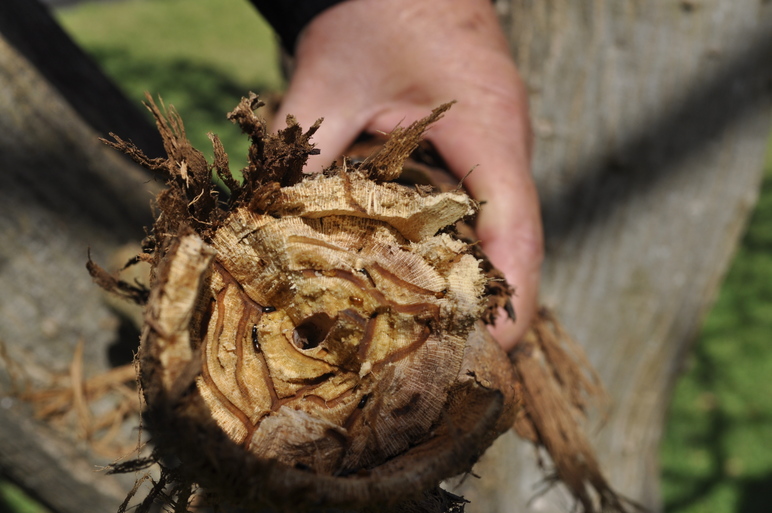
The smallest things can often cause the most damage, which is certainly the case with the dreaded polyphagous shot hole borer beetle that has now been confirmed to be infesting trees on the North Coast.
The beetle is a carrier of a specific fungus that infects and kill trees, from Macadamias and avocados to indigenous swamp forest trees and even the famously hardy Natal fig.
They have even been found in the yellow wood trees of Knysna.
Also read: Tree-killing beetles now target Bedfordview
Simbithi Eco-Estate’s landscaping department took the initiative to send samples off for testing after they began to suspect the feared beetle (Euwallacea fornicatus) was infesting and killing trees on the coast.
Their fears proved to be true after DNA sequencing by the Forestry and Agricultural Biotechnology Institute (FABI) confirmed their presence.
The revelation has sparked serious concern in both the eco-estate and agricultural sectors, who stand to lose a lot if these invasive beetles are not dealt with swiftly and properly.
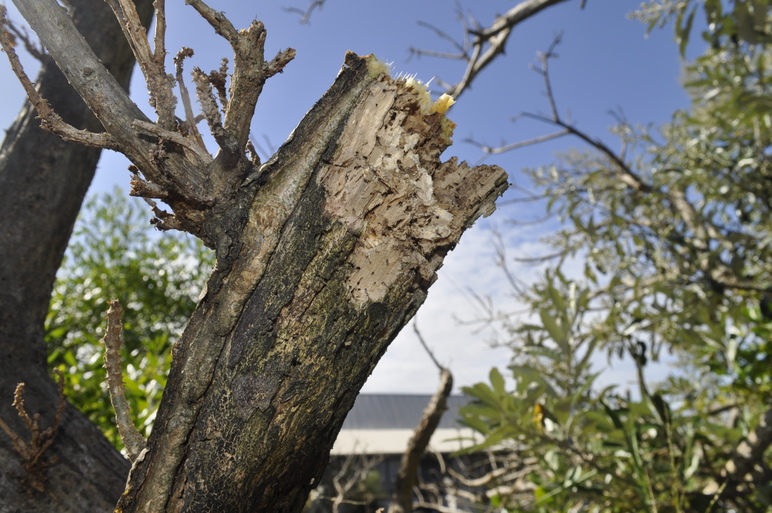
“The Dolphin Coast is now the seventh confirmed site of infestation in South Africa,” said Simbithi general manager Malcolm Samuel, though there are likely many infestations yet to be confirmed.
Responding to the discovery, Simbithi hosted a talk by Dr Trudy Paap of FABI last week to educate communities, environmentalists and farmers on the dangers of the insect and the proper ways to combat their spread.
The shot hole borer beetle drills into trees and carries with it a pathogenic fungus (Fusarium euwallacea).
The insect attacks many species of trees, and given that it is not host specific can spread uncontrolled once it is established in an area.
The beetle is believed to have originated in South East Asia, possibly Vietnam, and has become a major problem in California and Israel.
The beetle is dark brown to black and tiny, with females around 5mm long, and males even smaller.
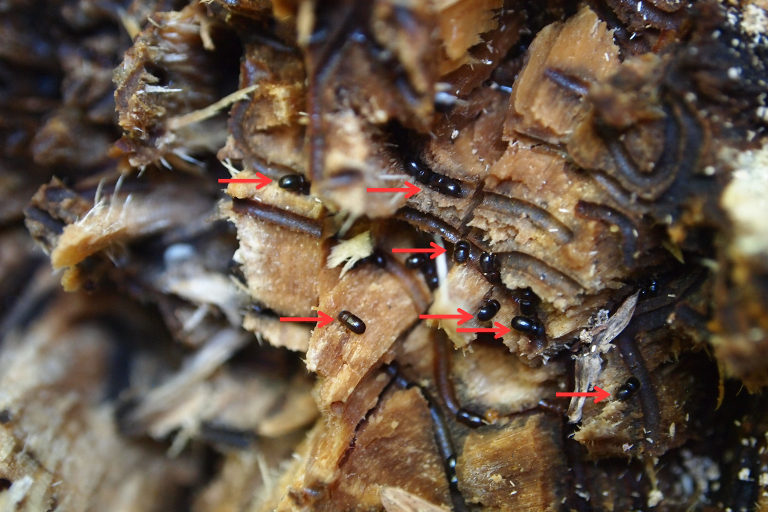
Pregnant females bore through a tree’s bark, creating galleries underneath. They plant the fungus in these galleries, where it grows and spreads throughout a susceptible tree.
“The female then lays her eggs in these galleries and when the eggs hatch, the larvae eat the fungus,” Dr Paap explained.
“The larvae develop into adults in about a month. Many more of the larvae develop into females than males, and the females mate with the males while still in the gallery – meaning they are already pregnant when they spread.”
The pregnant females then leave through the entry holes created by previous generations to start the process again. What makes these insects such a threat, is that it is extremely difficult to rid an area of them once they are established.
Cutting down trees will not suffice, as the beetles will continue to live in the wood and eventually spread from wherever it is disposed of.
“Simbithi will be putting in place a best practices program to deal with these invasive insects,” said Samuel, promising that they would share their strategy in the hopes of combating the spread with all other role players, from fellow estates to farmers.
One of the best ways to combat the spread of the insects is to cut down the tree, completely chip the wood and then properly dispose of it (all while keeping the wood separate and sealed from any other trees or plants, a difficult task at the best of times).
Following the confirmation of these destructive beetles, local landscape contractor Darren Coull has set up a wood chipper in Foxhill where he can dispose of infected wood in the proper manner.
If you suspect you may have an infestation of shot hole borers but are not certain, contact the FABI at admin@fabi.up.ac.za or call Coull at 082 562 4446 for assistance.

Do you want to receive news alerts via WhatsApp? Send us a WhatsApp message (not an sms) with your name and surname to 061 718 4438.
Please read our WhatsApp broadcast list disclaimer.
Join the conversation on Facebook, Twitter and Instagram
Stay in the loop with The North Coast Courier on Facebook, X, Instagram & YouTube for the latest news.
Mobile users can join our WhatsApp Broadcast Service here, or if you’re on desktop, scan the QR code below.