

Fort Pearson and The Ultimatum Tree mark the beginning of the Anglo-Zulu wars
Visit these fascinating historic sites on the banks of the Tugela River.
The author Jonathan Saffran Foer once said: “Everything is illuminated in the light of the past.”
The Courier recently took a little trip up north to the banks of the Tugela River to visit the site where the Anglo-Zulu War began to experience some of the rich history of the area.
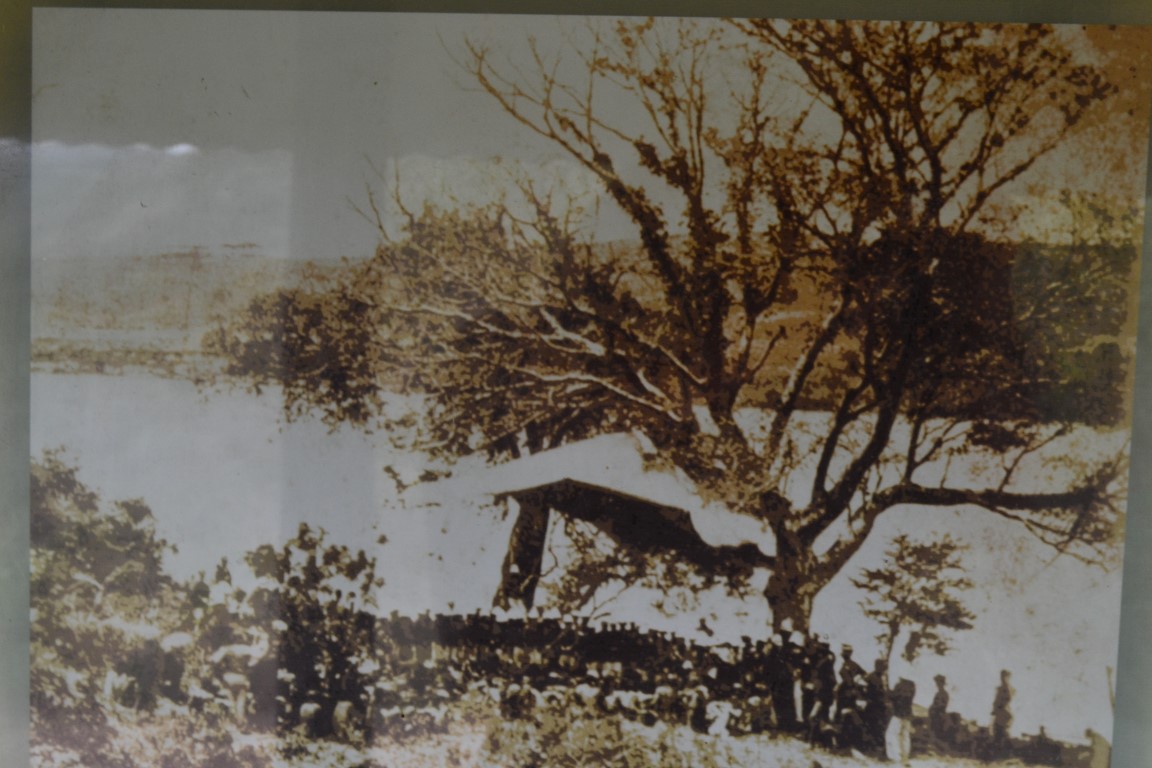
Once upon a time, the famous Ultimatum Tree used to stand there.
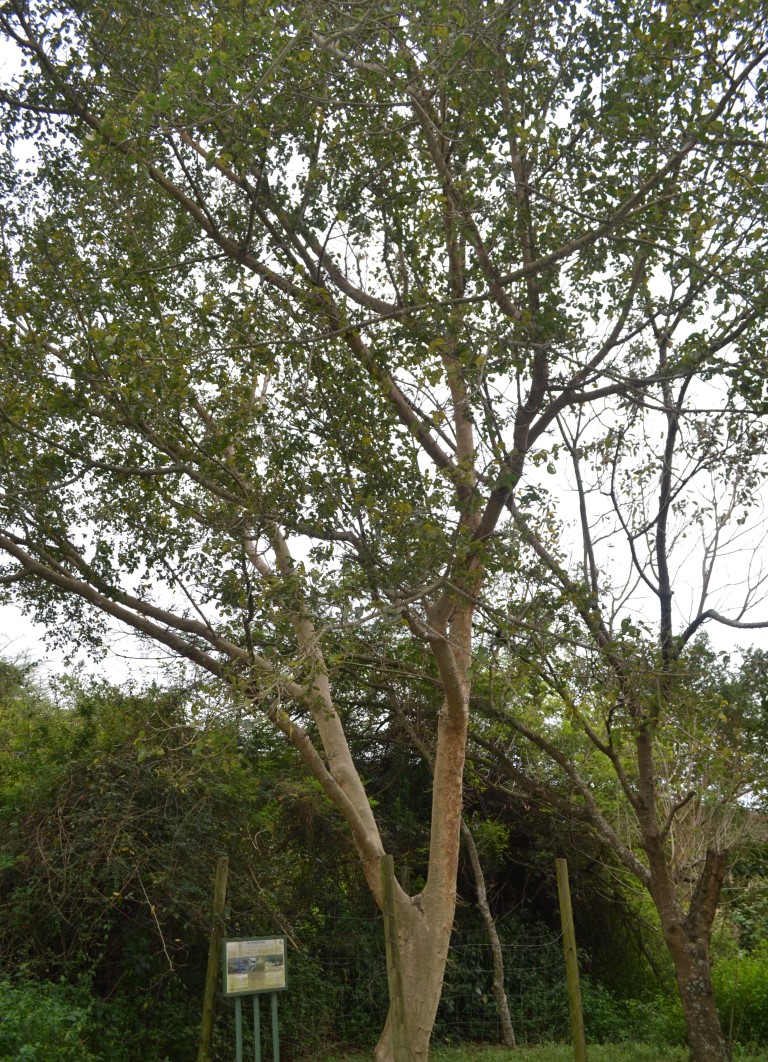
Unfortunately a series of floods and a fire have since destroyed all traces of the original tree, but a graft was taken from it and planted and is doing quite well.
It was here under the famous sycamore fig that J W Shepstone, the British secretary of native affairs, handed what was later acknowledged to be an unfairly harsh ultimatum to Zulu delegates sent by King Cetshwayo in the summer of 1878.
The ultimatum basically instructed that the Zulus remove themselves from the land in Northern Natal, as it was then known, or the British would invade on January 18, 1879 and forcefully take the land.
Needless to say, Cetshwayo was not interested in surrendering power or land to the British. The conditions were rejected, leading to the Anglo-Zulu wars, British defeat at Isandlwana, the heroism at Rorke’s Drift and British victory at Ulundi.
A short walk from the Ultimatum Tree is the site of Fort Pearson, from where the British controlled the river crossing and on the opposite bank of the Tugela, her sister camp of Fort Tenedos.
Unfortunately, while the history of the sites is still inspiring, a lack of upkeep has led to their deterioration as attractions.

Vandals set fire to and destroyed the last remaining traces of the Ultimatum Tree several years ago and while the graft is growing into a lovely fig in its own right, it is not nearly as impressive as the original.
Up on the hilltop, the site of Fort Pearson offers a breathtaking view of the Tugela River but here too vandals have struck, stealing the plaque that used to commemorate the fort.
Regardless, it is probably one of the prettiest places to go for a picnic with the family on the Dolphin Coast.
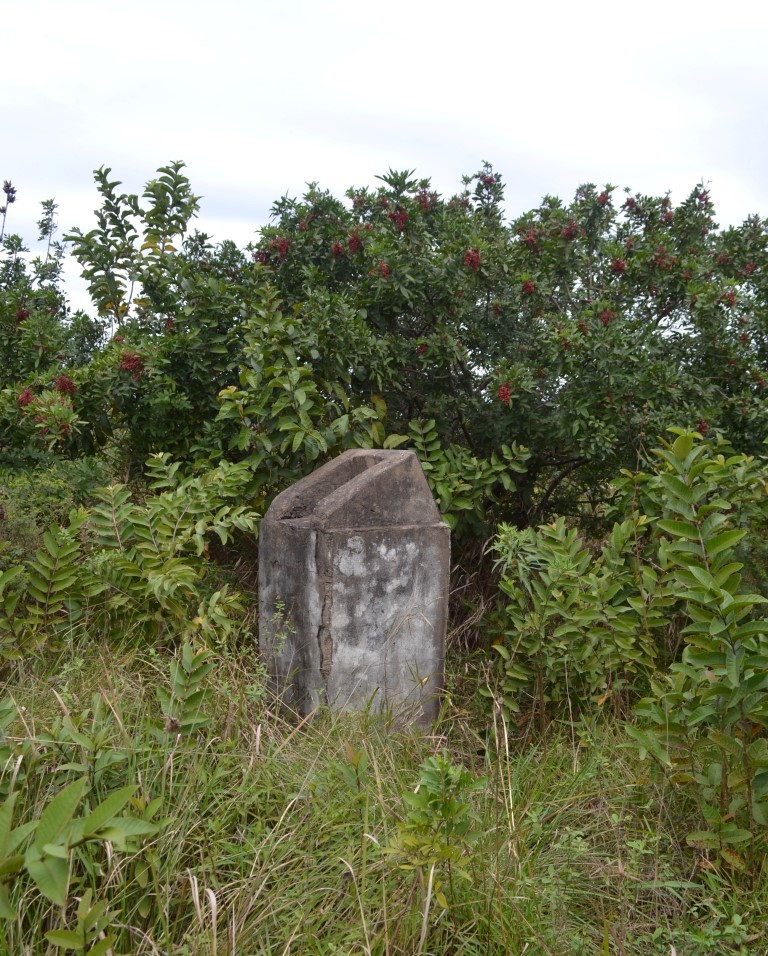
Fort Tenedos is a disappointment to say the least.
Finding the site in the midst of the cane farms is virtually impossible and once one does, all there is to see is a single overgrown cement pillar hidden by overgrown bush with a plaque put up more than 20 years ago.
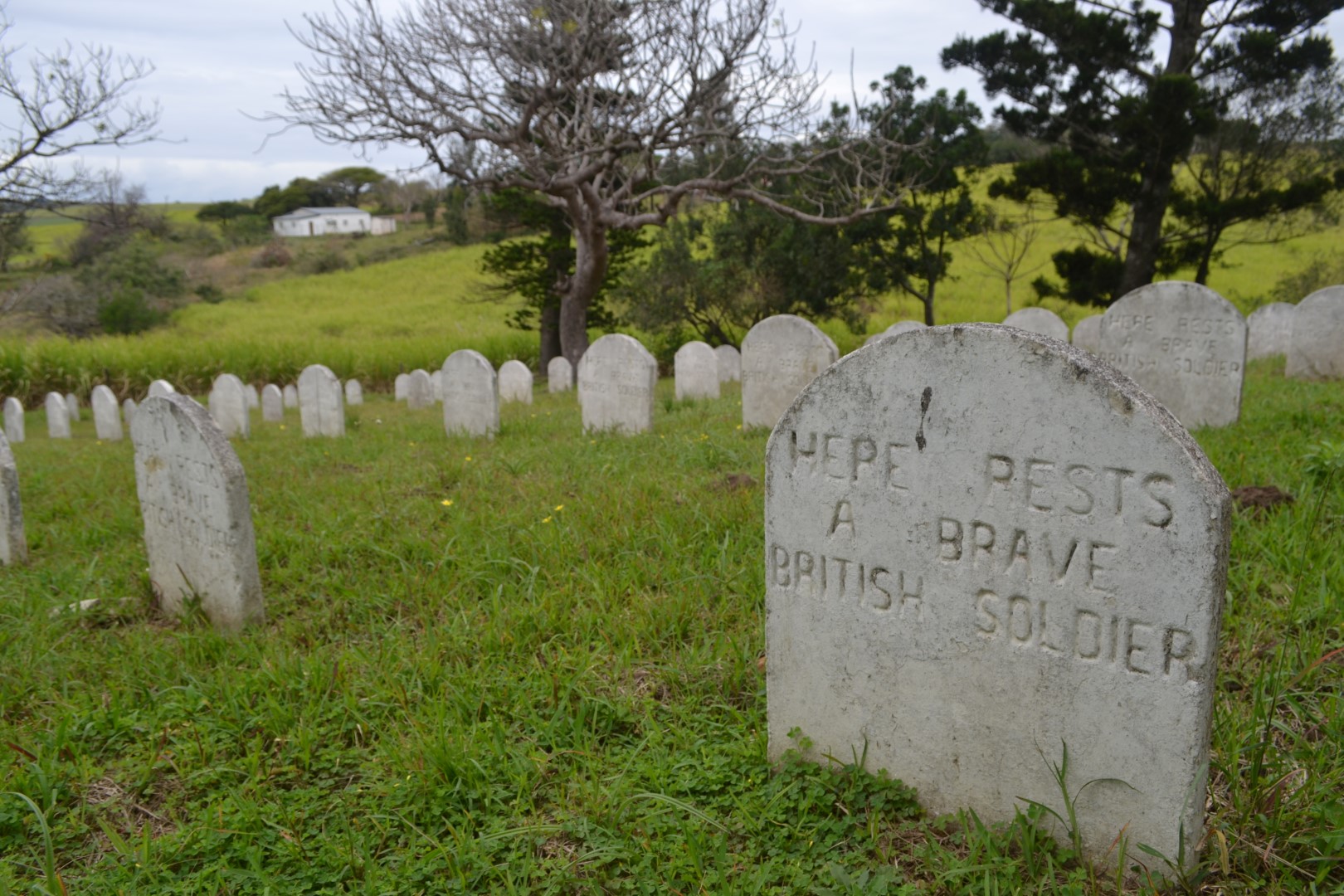
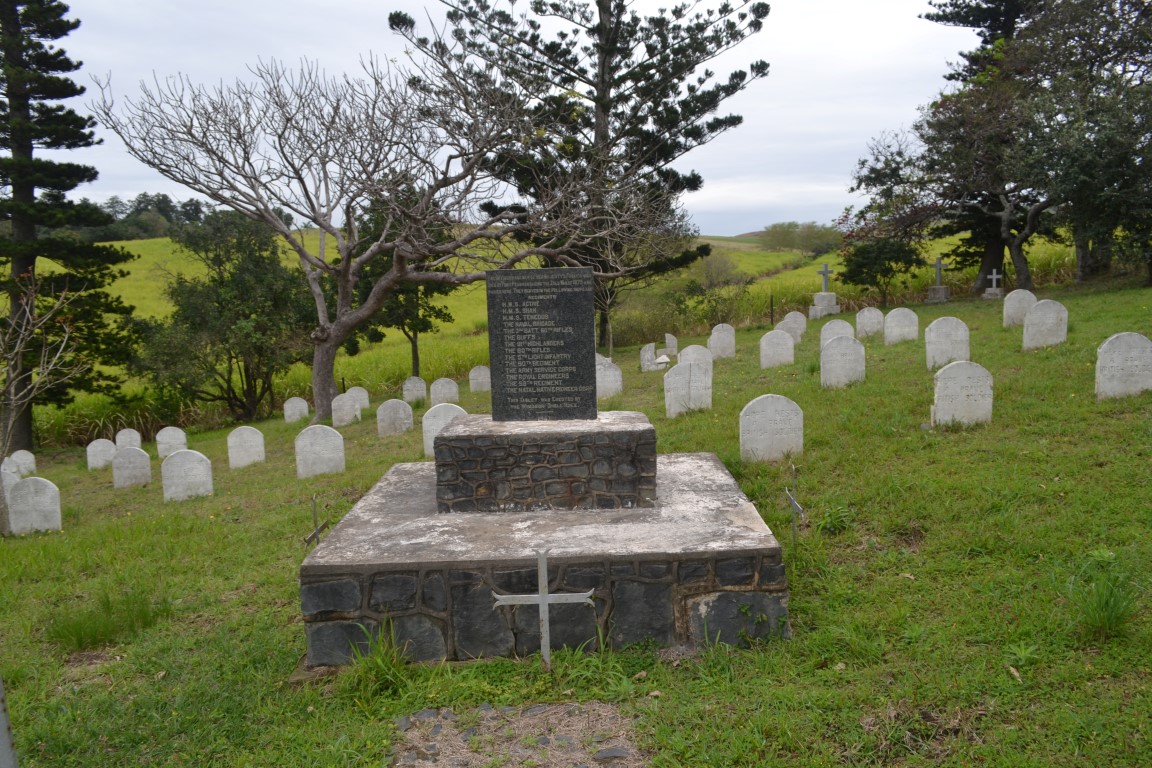
By contrast, Fort Pearson cemetery is well maintained by local cane farmers.
The cemetery is situated on the side of a hill in the midst of rolling, green cane fields.
The pure white headstones in the cemetery are marked simply: “Here rests a brave British soldier” and the sense of peace and rest seeps into the soul of a visitor and leaves you thinking ancient thoughts as you drive away.
Overall, it is a shame that some of the sites are not maintained, but it is definitely worth a trip to visit the cemetery as well as take in the stunning view from Fort Pearson.
Both the Ultimatum Tree and Fort Pearson are within a few kilometres of the Harold Johnson Nature Reserve office and are protected by the reserve, so they offer the perfect addition to a weekend soaking up the wild nature and history of South Africa.

Do you want to receive news alerts via WhatsApp? Send us a WhatsApp message (not an sms) with your name and surname to 061 718 4438.
Please read our WhatsApp broadcast list disclaimer.
Join the conversation on Facebook, Twitter and Instagram
Stay in the loop with The North Coast Courier on Facebook, X, Instagram & YouTube for the latest news.
Mobile users can join our WhatsApp Broadcast Service here, or if you’re on desktop, scan the QR code below.