

How to: help children cope at the scene of a car accident
As first responders to the scene, paramedics are fully equipped to handle traumatic situations, but it can be a particularly challenging task where children are among the injured.
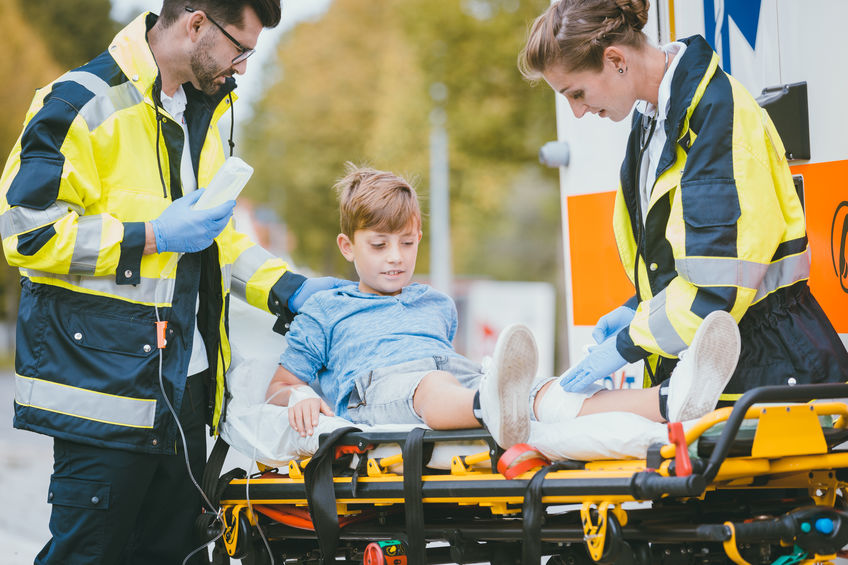
African roads are the world’s most dangerous, and the only people more likely to die on our roads other than passengers are pedestrians.
This is according to a global status report on road safety published by the World Health Organisation (WHO) in 2015.
According to South African private ambulance and emergency service, ER24, paramedics deal with collisions on a daily basis, many where children are involved.
As a result, they have an insight into the vulnerability of children when it comes to collisions.
These tips might help you if you find yourself at the scene of an accident where there are children involved.
At the very least, they will give you some ways to minimise harm until the experts can arrive to take over.
- Choose your words carefully
John Ramcharan, a branch manager at the service explained that he takes extra care when dealing with children at a scene.
“Most of the time when we get to a scene where children are involved they are usually scared or sad and ask for their parents,” said Ramcharan.
- Never stop communicating
Keeping the child informed throughout the process is essential to helping them cope.
“It is crucial to talk to the child and to talk to them continuously. Tell them what you are busy with now, even if you are taking their blood pressure or checking for any injuries. This is the only way you can gain their trust and help them to remain calm so that you can treat them.”
- Get to the level of the child
“I’ve always maintained that when you treat a child, you always go down to their level. Kneel and treat the child. Look them in their eyes and introduce yourself before you even attempt to ask where they are hurting,” said Ramcharan.
- Repeat and repeat as needed
The communication with a child patient often needs perseverance and forbearance is essential in communicating effectively.
“I find that repeating a question is important. A child might be thinking of a million different things at the same time and might not open up immediately.”
Treating the child with care isn’t just important for the immediate treatment of injuries but also can have an effect on the lasting effects of the trauma.
- Be honest where possible
At Grobler, ER24 Trauma Coordinator said, “Children are clever, they can read body language, and they can understand different tones of voices.
“Absolute honesty is required when speaking to children.
“If the child asks where their mother or father is, tell them she is being looked after in the ambulance, or he is still entrapped in the vehicle.
“If a scene is horrific, that is when you will keep a child away from it as that will be what they will remember for the rest of their lives.
“But, for the most part, be as honest as possible.”

Do you want to receive news alerts via WhatsApp? Send us a WhatsApp message (not an sms) with your name and surname to 061 718 4438.
Please read our WhatsApp broadcast list disclaimer.
Join the conversation on Facebook, Twitter and Instagram
Stay in the loop with The North Coast Courier on Facebook, X, Instagram & YouTube for the latest news.
Mobile users can join our WhatsApp Broadcast Service here, or if you’re on desktop, scan the QR code below.