

How to: Survive a shark encounter
The chances of a shark encounter however are slightly higher, so check out Rudi Botha's top five tips on what to do when you meet a shark.
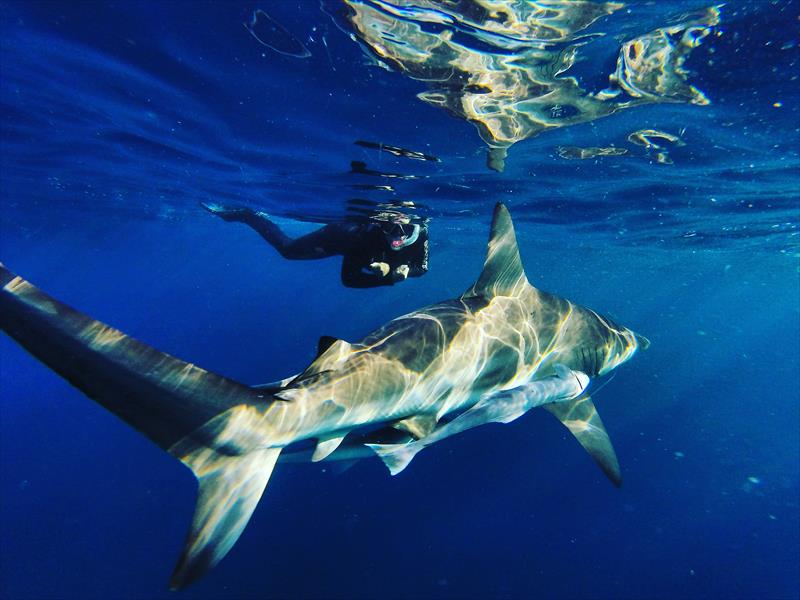
Most mortals have an underlying fear that while frolicking in the sea that frightening fin might make an appearance – Jaws style.
Beach Bush Berg Safaris and Dives’ Rudi Botha from Ballito has taken countless people on cage-free shark dives and said the chance of a shark attack was very slim.
“There are over two million people in our ocean during the December holidays. We average maybe one fatal shark attack on our South African coastline a year. Having said that, the last fatality was over three years ago,” said Botha.
The chances of a shark encounter however are slightly higher, so check out Botha’s top five tips on what to do when you meet a shark:
1. Keep calm and stay still
Botha said the worst move you could make when you see a shark in the water is to panic and make a splash.
“Panic causes more deaths than anything else. If you panic, you might end up drowning yourself. If you freak out and splash like crazy to try and chase the shark away, you could increase the chance of being bitten,” said Botha, who has never had a shark bite incident in the eight years of his shark experience tours.
2. Have a good look
Having a general understanding of different shark species is a good idea so that you know which could be potentially dangerous.
“Try to identify what type of shark you are dealing with, if visibility is good. Is it a small or a large shark? Does it have a broad snout or a thin pointy one? Does the dorsal fin look like it belongs to a shark or a dolphin?”
He said you should be most careful of the great white, tiger shark, bull shark, oceanic white tip shark and the greater hammerhead shark.

3. Make eye contact
“Act as calm as possible and face the shark rather than swimming away with your back facing it. They almost always like to identify possible prey first before going in for a bite and are less likely to go for you when you are facing them.”
He said if you do not smell like a seal or a fish and do not act with distress as their prey would, the chances of an attack are very small.
“Sharks can detect possible prey with sensory receptors that run along their sides and can sense an animal in distress and proceed to go and investigate it. They also have an excellent sense of smell and quickly note that humans smell nothing like their usually food.”
4. Slowly start your retreat
“Facing the shark at all times, lift one arm straight up above the water to signal for help. Lifeguards should come to your rescue. At the same time, slowly and calmly swim towards the beach with each passing wave while trying to keep focused on where the shark is and, if possible, do not turn your back on the shark completely. Every time the shark swims away from you, try and catch a bit of the wave.”
5. If all else fails, go for the nose
If the shark keeps coming for you and gets very close, Botha said you should “bump” the shark on the nose.
“Sharks do not like being touched on their nose or near their eyes. If you can, either poke the nose or bump it with your fist. If you are a diver blow bubbles as they do not like them. Remember to remain calm, make yourself tall in the water and try to be the dominant one through body language.”

Do you want to receive news alerts via WhatsApp? Send us a WhatsApp message (not an sms) with your name and surname to 061 718 4438.
Please read our WhatsApp broadcast list disclaimer.
Join the conversation on Facebook, Twitter and Instagram
Stay in the loop with The North Coast Courier on Facebook, X, Instagram & YouTube for the latest news.
Mobile users can join our WhatsApp Broadcast Service here, or if you’re on desktop, scan the QR code below.