

Outrage over draining of Salt Rock tidal pool
Tidal pools fall within a marine protected area and Jones called on the hotel's management team to clean the pool more sensitively and humanely.
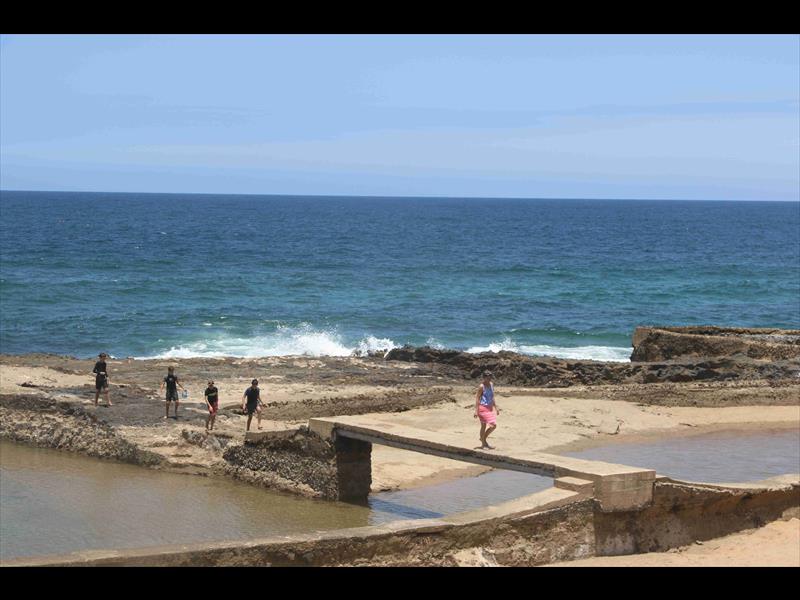
Concerned residents are demanding a change to the cleaning protocol used on the Salt Rock tidal pool.
The tidal pool was recently cleaned by draining the water in order to remove the algae on the sides, dead debris and any accumulated sand washed into the tidal pool during high tides.
However environmentalists have slammed the practice and are demanding a cleaning method be used that ensures the preservation of the rich marine biodiversity of the tidal pool.
The large pool, which was originally built for guests staying at the Salt Rock hotel, serves as a sanctuary for numerous sea creatures which use the calm waters and the side walls and rocks for breeding and shelter.
Salt Rock management, who are the custodians of the tidal pool, have been using the draining method for years. According to management, the tidal pool is cleaned annually before the start of the festive season.
Di Jones of the Dolphin Coast Conservancy said she was firmly opposed to the draining of any tidal pool.
“The biodiversity of the pool is very unique and by draining it the micro ecosystem that has developed in the pool is destroyed,” Jones said.
Tidal pools fall within a marine protected area and Jones called on the hotel’s management team to clean the pool more sensitively and humanely.
Last week’s cleaning resulted in many of the sea creatures living in the tidal pool exposed to the elements.
“All the immature life which shelters in tidal pools will not survive in the open sea when they are displaced to clean the pool. The design of a tidal pool should mean it flushes automatically, such as Thompson’s Bay tidal pool. Sand might accumulate for a month or so but it gets flushed out again by the next high tide,” said Jones.
Some of the unique marine species found in the tidal pools include anemone, urchins, starfish, sea cucumbers, cuttlefish, octopus, snails, crustaceans and fish.
According to Tidal Tao Snorkelling’s Michelle Morris, as more knowledge about tidal pool ecosystems comes to light there should be a shift on how the pools are cleaned and maintained.
“We need to stand together as a community to protect and preserve these tidal pools as they are home to many sea creatures. It is in these protected spaces that creatures seek shelter from the wild open oceans to breed.
“We used to see incredible life in the Salt Rock pool. We found the very rare elegant pipefish which made their home there (the elegant pipefish is a member of the seahorse family), and nudibranchs (the most beautiful sea slug, full of colour and character), some of them being unknown to science,” said Morris.
Morris said they had made a list of all the marine life they could find before the draining of the pool and now there were hardly any of those creatures left – only a handful of fish species.
“It might take years to bounce back to what it was,” she said.
Despite several attempts Salt Rock Hotel manager Evan Mitchell could not be reached for comment.
Download The North Coast Courier mobile app, now available free from the Apple iStore and on Google Play, for IOS and Android phones.

Stay in the loop with The North Coast Courier on Facebook, X, Instagram & YouTube for the latest news.
Mobile users can join our WhatsApp Broadcast Service here, or if you’re on desktop, scan the QR code below.