

#BlackFriday: Stay safe while shopping online
Choosing to skip the queues this Black Friday by shopping online, may cost you more than you bargained for if you are not careful.
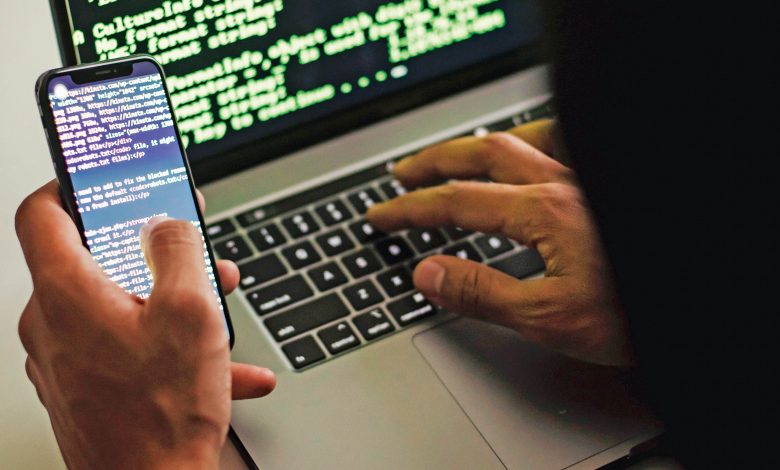
Choosing to skip the queues this Black Friday by shopping online, may cost you more than you bargained for if you are not careful.
While all you may need is an internet connection and a bank card to shop online, it poses its own threat with sharp cyber criminals on the prowl.
Defrauding shoppers is easily achieved by having them click on the wrong link or pop-up advert.
Some of the most common methods of defrauding shoppers include fake websites, phishing emails with malicious links, pop-up adverts, fake items for sale on genuine sites and ‘sniffing’ for passwords and payment details over unsecured Wi-Fi.
It is vital to ensure the website you are browsing is legitimate and not a ‘knock-off’ of an actual retailer.
The key is to check out the website domain name – easily found in your search bar. For example, website domains such as www.buythoseshoes.org should send you running.
Why, you ask? The ‘.org’ part gives it away. Stick with (if you are buying in South Africa) to ‘.co.za’.
Don’t pay by EFT (electronic transfer) – ever.
Any legitimate online shopping platform offers payment options through popular methods such as ‘MyGate’, on which you enter details such as your card number, the expiry date, your name, surname and CVV number.
Upon completing the details, processing will take place with your bank sending you an OTP (one-time pin number) via SMS or email.
Check out the rest of the website before buying. It may be Black Friday, but if the deals look too good to be true, they probably are.
Global cyber security company Kaspersky advises shoppers to follow these 12 tips during Black Friday:
1. Secure all your devices using trusted security software.
2. Make sure you apply security updates to your operating system and applications as soon as they are available.
3. Only use secure sites. Look for a URL beginning with ‘HTTPS://’ – that’s ‘S’ for SECURE. Look also for a closed padlock on the web browser’s address bar. By clicking or double clicking on it you will be able to see details of the site’s security.
4. Use a unique password for every online site you use – use a mixture of letters, numbers and special characters and make sure they’re at least 15 characters long.
5. Don’t click on random links in e-mails – it’s better to type in a URL yourself to avoid the risk of ending up on a phishing site. If a deal seems too good to resist, go directly to the website to find it, rather than click on the link.
6. Stick to familiar sites that you know or have heard of. But even then, you need to take care – criminals often deliberately misspell the name on their fake websites to make it look like a familiar site.
7. If you do buy from a new vendor, research it carefully. A good test is to see if they can be contacted if the order goes wrong – look for an e-mail, a phone number, an address and a returns policy. A vendor’s feedback history is another good sign of their honesty and reliability.
8. Use extra caution when using your mobile device for online purchases. Shortened URLs, often used because they are phone-friendly, can hide the fact that they lead to a risky site. If you have to make a transaction then and there, switch Wi-Fi off and use mobile data. Otherwise wait until you are back on a secured connection.
9. Avoid using untrustworthy public Wi-Fi hotspots for confidential transactions such as online shopping. Public Wi-Fi networks are common places for hackers to intercept your information.
10. Ensure your children do not have access to your online accounts, and make sure they cannot access your credit card and bank information.
11. Back up your data regularly to avoid your personal files being lost if you are the target of a cyber attack.
12. Check your accounts regularly to make sure you notice any unusual/fraudulent activity straight away.
For breaking news follow The North Coast Courier on Facebook, Twitter, Instagram and YouTube.
Join our Telegram Broadcast Service at: https://t.me/joinchat/yJULuN8NaCs5OGM0
Join our WhatsApp Broadcast Service: Simply add 082 792 9405 (North Coast Courier) as a contact to your phone, and WhatsApp your name and surname to the same number to be added.

Stay in the loop with The North Coast Courier on Facebook, X, Instagram & YouTube for the latest news.
Mobile users can join our WhatsApp Broadcast Service here, or if you’re on desktop, scan the QR code below.