

Canelands Estate farmer’s rehabilitation efforts scrutinised over illegal dumping fears
Oricol technical manager Peter Allen confirmed flood damage had left the soil unsuitable for growing crops.
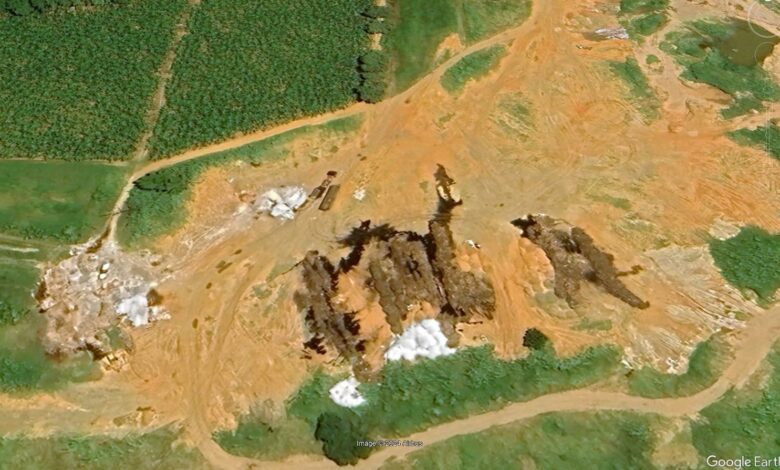
Alleged illegal dumping on the banks of the Umdloti River on Windermere Farm, commonly known as Canelands Estate, has been verified as the rehabilitation of the land by the farmer.
Adding to concern was the proximity to a sandmining operation that only recently received a mining license from the Department of Mineral Resources and Energy.
Following a tip-off received via EDTEA’s environmental crimes hotline, the KZN environmental department (EDTEA) slapped land owners Dube TradePort with a search and seizure warrant.
The warrant fingered Oricol Environmental Services (Pty) Ltd as a possible co-offender.
Oricol immediately halted operations and is cooperating with authorities to put matters in prespective.
Issued on April 24 and executed two days later, the warrant cited four alleged environmental offences listed under the National Environmental Management Act 107 of 1998 (NEMA).
The alleged offences included causing pollution or degradation of land, undertaking waste management activities without a license, unlawfully disposing of waste and failing to comply with provisions for waste management and disposing of waste under NEMA Sections 20 and 26(1).
Dube TradePort spokesperson Vincent Zwane said Windermere Farm located in Mount Moreland has been leased to Canelands Estate CC for agricultural purposes, mainly sugarcane and banana farming, since 2012.
He said the area was being rehabilitated after flood damage and distanced the company from any wrongdoing.
“Dube TradePort would like to clarify that there is no evidence of any transgressions on its land holdings, which are leased to Canelands Estate CC.
“After the 2022 floods, a portion of Canelands Estate’s banana plantation on the banks of the Umdloti River suffered significant soil erosion. In response, the farmer worked to rehabilitate the site and level the field by replacing the lost topsoil and incorporating other biodegradable materials to stabilise the land,” Zwane said.
“However, Dube TradePort informed the farmer that additional approvals were required before such rehabilitation activities could be undertaken. Currently, engagements are in progress with the Department of Economic Development, Tourism and Environmental Affairs to obtain the necessary approvals.”
He said EDTEA officials visited the site on April 26 and took measurements of the affected area and photographed the biodegradable materials. No machinery was confiscated.
Oricol technical manager, Peter Allen, confirmed flood damage had left the soil unsuitable for growing crops.
He explained they had levelled out the flood-damaged area and brought in organic material which was left to compost. This would then be worked into the soil to rehabilitate it so that the farmer could re-plant bananas in spring.
He said Oricol had also applied for a permit to open a longer term composting operation, similar to Living Earth at Esenembe, about 400 metres away from the rehabilitation site.
They were unaware of any transgressions and out of respect for EDTEA and their processes, Oricol immediately halted operations when they learned of the complaint.
Allen said Oricol had been working closely with Living Earth, drawing on their technical knowledge to set up their new composting operation by the book.
He explained that a composting operation was basically a large scale version of the composting people did at home with their organic waste from the kitchen.
Stay in the loop with The North Coast Courier on Facebook, X, Instagram & YouTube for the latest news.
Mobile users can join our WhatsApp Broadcast Service here or if you’re on desktop, scan the QR code below.

Stay in the loop with The North Coast Courier on Facebook, X, Instagram & YouTube for the latest news.
Mobile users can join our WhatsApp Broadcast Service here, or if you’re on desktop, scan the QR code below.