

North Coast seal sightings prompt rabies caution
Rabies has been identified in the Cape fur seal population in the Western Cape.
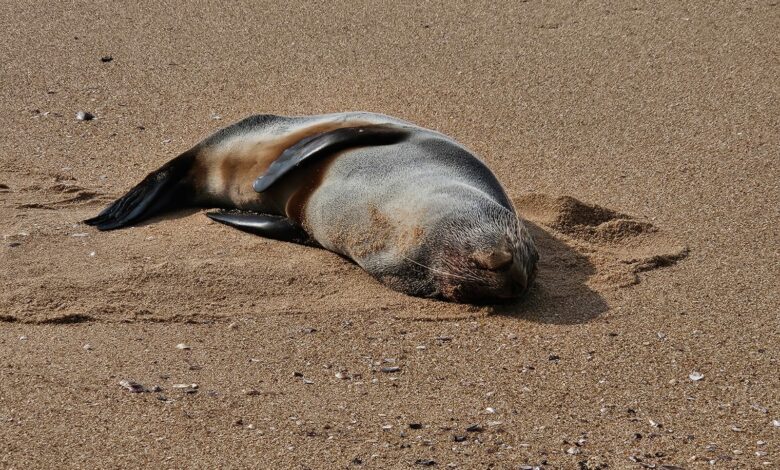
Authorities are warning beachgoers to avoid seals after rabies was confirmed in Cape fur seals for the first time in South Africa.
On Friday, a fisherman reported a seal on the shore at Tinley Manor, while another was seen at Westbrook on Saturday. Two weeks earlier, a seal was sighted at a Ballito tidal pool.
The sightings come amid concerns over a rabies outbreak affecting Cape fur seals, following an investigation into seal attacks on humans and dogs in Cape Town that began in 2021.
The principal investigator and founder of the Sea Search Research Conservation Education in Muizenberg, Dr Tess Gridley, said there is no evidence of rabies in other species but urged caution.
“Be very wary of any seals; give them a wide berth,” said Gridley.
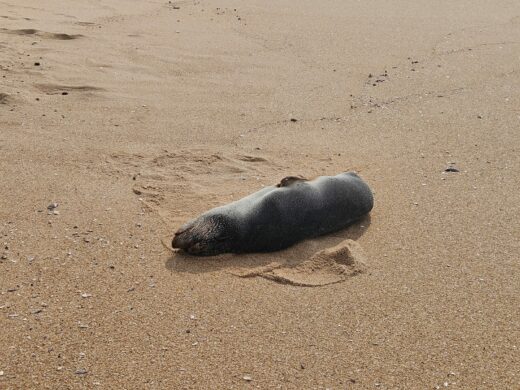
To date, 81 confirmed cases have been documented, with several carcasses testing positive for the deadly viral disease. According to Sea Search’s research, it is unclear how rabies spreads in aquatic species or how many seals are affected.
“If you see any seals being aggressive or acting unusually, call the authorities immediately,” said Gridley.
Out of the Blue Documentary: Instagram
In 1980, one case of rabies was reported in a ringed seal in Norway, but this is reportedly the first known major outbreak of the disease among marine mammals in the world.
Quentin Power, commander of Ballito’s Specialised Rescue Unit, noted that seals are a common sight along the North Coast, with sightings documented at beaches between Westbrook and Zinkwazi.
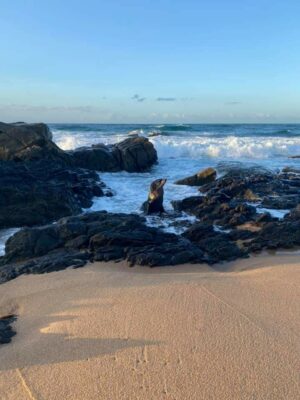
Power said the marine mammals chase the sardine migration from the Western Cape and sometimes remain before heading back.
A seal was relocated from Tiffany’s Beach in 2018, and a sub-Antarctic fur seal was rescued near Chaka’s Rock in 2019.
“We have been documenting, rescuing and relocating seals for years,” said Power, who attributes the increase in sightings since 2010 to smartphones providing photographic evidence of locations.”
The World Health Organisation states that rabies is primarily transmitted through saliva and affects the central nervous system. Symptoms include fever, pain and tingling, pricking or burning sensations at the wound site.
For more information contact Sea Search on 021 788 1206 or on Facebook or Instagram.
Stay in the loop with The North Coast Courier on Facebook, X, Instagram & YouTube for the latest news.
Mobile users can join our WhatsApp Broadcast Service here, or if you’re on desktop, scan the QR code below.

Stay in the loop with The North Coast Courier on Facebook, X, Instagram & YouTube for the latest news.
Mobile users can join our WhatsApp Broadcast Service here, or if you’re on desktop, scan the QR code below.