

Trade tensions and political instability cloud iLembe business outlook
Strong economic activity was recorded in the district despite the concerns.
iLembe’s business confidence has dipped despite strong economic activity, as local governance concerns and US tariff uncertainty cast doubt on the prospects.
This according to the biannual iLembe Chamber of Commerce Business Confidence Index (iBCI), prepared in conjunction with Enterprise iLembe, released this week.
The iBCI combines a business survey with actual economic activity to produce an index score out of 100. The latest figure of 52.6 points – the third highest since the iBCI began in 2015 – was largely driven by a very positive economic activity index of 57.8.
Employment levels of almost 57 points were the highest on record, with inventory levels also noted as a positive indicator. Positive sentiment came from three of the North Coast’s key sectors, Agriculture, Forestry, Hunting (50.4), Manufacturing, Assembly (51.4) and Construction, Property Development, Property Sales (51.9).
Interest rate cuts, subdued inflation and the continued suspension of loadshedding were all listed as favourable developments.
However, there were some worrying signs, including an overall negative business sentiment score of 47.4 points, reflecting concern in the traditionally strong Tourism, Catering, Accommodation, Property Management sector (44.8). Survey respondents flagged concerns over political instability, both local and national, as well as financial and service delivery issues. A R160-million budget deficit in the KwaDukuza municipality and ongoing electricity losses were also highlighted.

International uncertainty around US-imposed tariffs has filtered down, although iLembe Chamber CEO, Cobus Oelofse, believes the local impact will be limited.
“The markets of major manufacturers in the iLembe district have limited exposure to the US market and manufacture primarily for the domestic, European and other African markets,” he said.
“One of the biggest consequences to be avoided is manufacturers scaling down or halting their output. That is one thing our region cannot afford.”
As for agriculture, Oelofse said the direct impact of tariffs on the local sugar industry would be minimal, although he cited the ineffectiveness of tariffs on imported sugar, which makes local production less competitive.
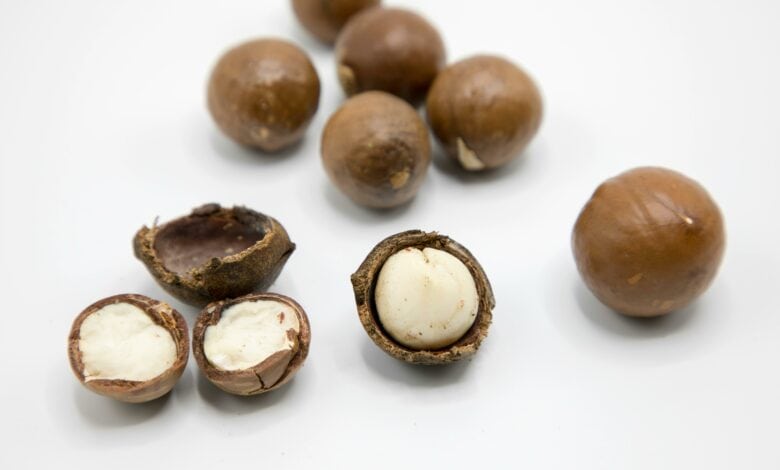
There is greater concern for macadamia farmers.
“A 20% tariff disadvantage will be created with South Africa’s main competitors, namely Australia and Kenya. In this case, the US is a key export market,” he said.
“In the short term, tariffs are likely to be absorbed by US importers, but in the long term the 20% disadvantage could lead to lower prices for South African products imported into the US and a reduction in market share.”
He added that lower tariffs in other key markets, including China and India, were being pursued to lessen the impact.
Stay in the loop with The North Coast Courier on Facebook, X, Instagram & YouTube for the latest news.
Mobile users can join our WhatsApp Broadcast Service here, or if you’re on desktop, scan the QR code below.

Stay in the loop with The North Coast Courier on Facebook, X, Instagram & YouTube for the latest news.
Mobile users can join our WhatsApp Broadcast Service here, or if you’re on desktop, scan the QR code below.