

Butterfly Guide: Know the fascinating flyers in your garden
Blythedale butterfly enthusiast Wayne Johnstone shares tips and advice on how to start spotting.
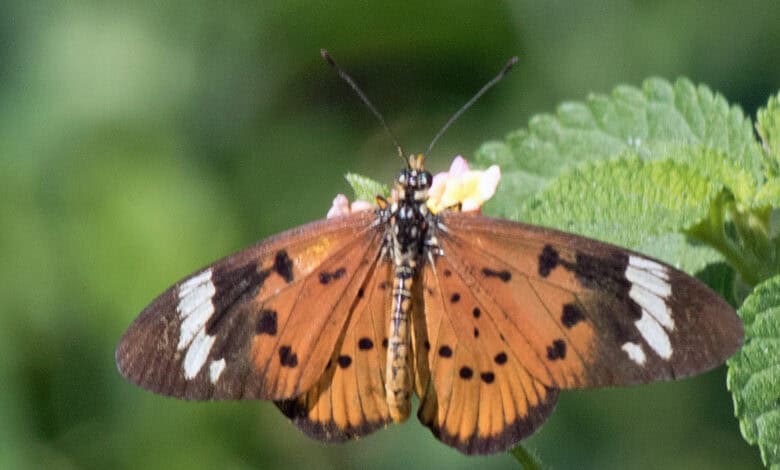
Wayne Johnstone of Blythedale Beach is a keen observer of butterflies, particularly those on the North Coast. In this first of a two-part series, he explains that butterflies and moths play a vital role in pollination. All photographs are his.
Butterfly watching is a captivating pastime that draws nature lovers and casual observers alike into a vibrant world of colour, delicate movement and ecological wonder. Whether you’re a seasoned enthusiast or a curious beginner, learning how to spot butterflies can deepen your appreciation for the natural world and even make a simple walk outdoors feel magical.
Best times to spot butterflies
Timing is everything when it comes to catching glimpses of butterflies in action. Butterflies are cold-blooded creatures, relying on the sun to warm their bodies and energise their flight. The optimal time to observe them is on warm, sunny days with little or no wind. Butterflies are especially active between late morning and early afternoon, typically from 10am to 3pm.
This is when the sun’s rays are most direct, allowing butterflies to bask and forage. Early spring through late summer is prime butterfly season, but in temperate areas, you may find certain species lingering into early autumn. After rain showers or in damp conditions, you’ll likely see fewer butterflies, as they prefer dry weather for flying and feeding.
Ideal habitats for butterfly watching
Finding the right habitat is key for successful butterfly spotting. Butterflies thrive in environments rich with nectar-producing flowers and sheltering plants. Meadows and grasslands, awash with wildflowers and native grasses, are often teeming with a variety of species. Gardens – especially those designed as butterfly gardens with diverse blooms – serve as crucial sanctuaries in both urban and rural areas.
Woodland clearings, forest edges and paths lined with hedgerows offer both sunlit areas for basking and plenty of plants for caterpillars and adults alike. Riverbanks, ponds and wetlands also attract butterflies, as many species are drawn to the moisture and lush plant growth.
When venturing out, look for sunny patches, as butterflies will often be seen with their wings spread, absorbing heat. Areas with a mix of wildflowers tend to attract a wide range of butterfly species. Don’t overlook weedy patches and overgrown corners, as these are often rich in nectar and caterpillar host plants.
What to look for when spotting butterflies
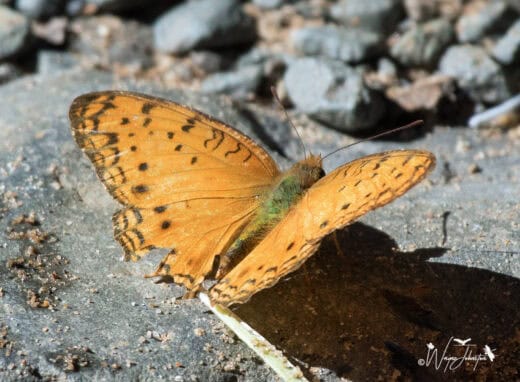
• Behaviour: Watch for fluttering, skipping movements or quick darts from flower to flower. Butterflies may also be seen puddling – gathering on damp soil or mud to sip nutrients and minerals.
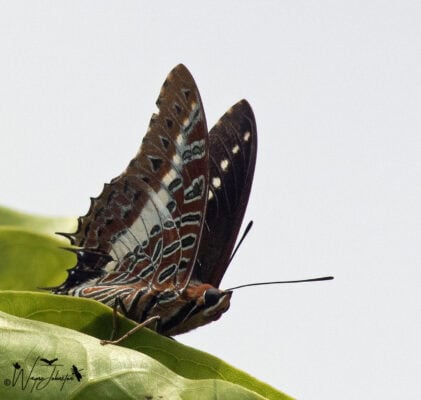
• Resting Spots: Scan both the tops and undersides of leaves and flower heads. Many butterflies rest with their wings closed, blending seamlessly with foliage.
• Colour and Pattern: Pay attention to flashes of colour – bright oranges, blues, or subtle browns. Some species have distinctive markings on their wings that help with identification.
• Tools: Bring a pair of binoculars or a camera with a zoom lens for a closer look without disturbing these delicate creatures. A butterfly identification guide can help you recognise different species.
• Movement: Approach slowly and avoid sudden gestures. Butterflies are sensitive to movement and will quickly take flight if startled.
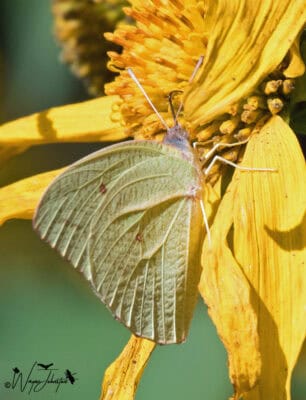
Patience is vital. Spend time standing still or moving gently through suitable habitats and allow your eyes to adjust to the environment. You’ll not only increase your chances of spotting a butterfly, but you’ll also notice other small wonders – a caterpillar munching on a leaf, or a chrysalis hanging from a stem. With practice and a keen eye, you’ll soon become familiar with the fascinating diversity of butterflies and the subtle differences between species.
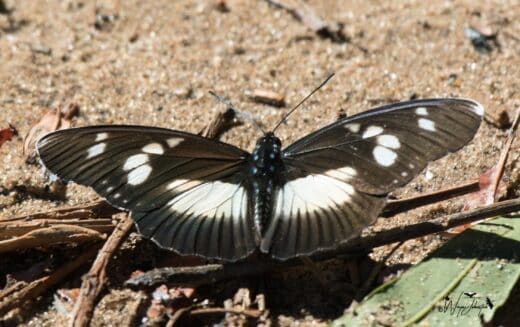
Butterfly watching is more than a hobby – it’s an invitation to slow down, observe, and marvel at nature’s delicate artistry. With the right timing, a suitable habitat, and a little patience, you’ll find yourself rewarded with unforgettable encounters and a deeper appreciation for these enchanting insects.
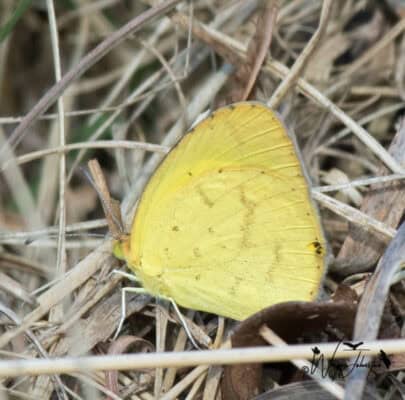
Southern Africa is home to a rich diversity of Lepidoptera, the insect order that includes butterflies and moths. The region, defined as the area south of the Zambezi and Kunene rivers, hosts about 9 000 species of Lepidoptera. Of these, around 875 species are butterflies and skippers, while the remaining 8 125 species are moths.
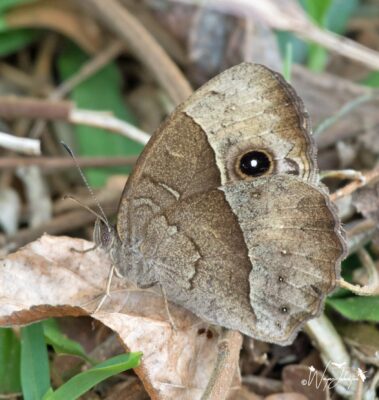
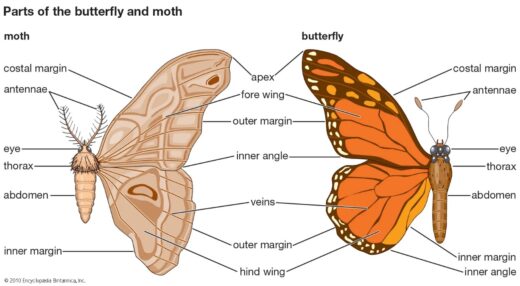
Butterflies and moths can be distinguished by several key features. Butterflies are typically active during the day (diurnal), have slender bodies, and rest with their wings held vertically over their backs. Their antennae are usually clubbed at the tips. In contrast, moths are mostly nocturnal, have thicker, often furry bodies, and rest with their wings spread flat or tent-like over their bodies.
Moth antennae are usually feathery or threadlike without clubs.
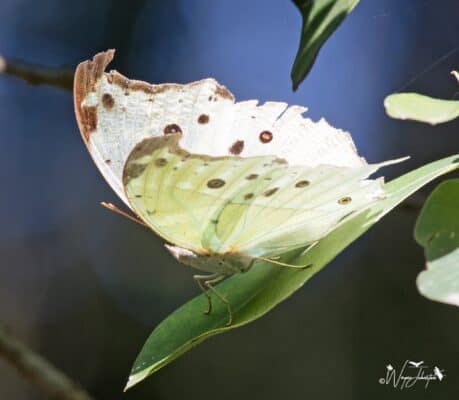
Southern Africa’s butterfly fauna is particularly notable for its high level of endemism, especially among the Lycaenidae family. Conservation efforts are crucial, as habitat loss threatens many species. The region’s Lepidoptera not only contribute to biodiversity but also play vital roles in pollination and as indicators of environmental health.
The Dolphin Coast is part of a biologically rich region that supports a wide variety of Lepidoptera species. While specific species lists for the area are limited online, the broader KwaZulu-Natal province is well-documented through the LepiMAP project, which maps butterfly and moth distributions across southern Africa.
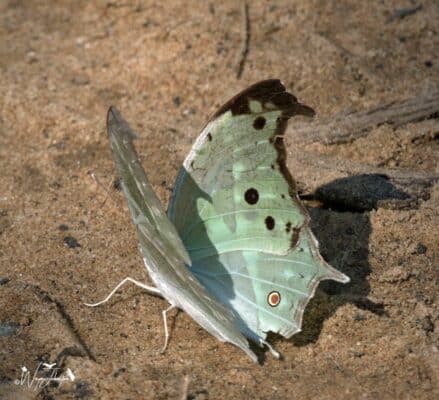
The KwaZulu-Natal region’s subtropical climate, coastal forests, wetlands, and grasslands provide ideal habitats for both butterflies and moths. Notable butterfly families in the area include Nymphalidae, Lycaenidae, and Pieridae, while moths range from large Saturniids to tiny micro-moths.
Stay in the loop with The North Coast Courier on Facebook, X, Instagram & YouTube for the latest news.
Mobile users can join our WhatsApp Broadcast Service here or if you’re on desktop, scan the QR code below.

Stay in the loop with The North Coast Courier on Facebook, X, Instagram & YouTube for the latest news.
Mobile users can join our WhatsApp Broadcast Service here, or if you’re on desktop, scan the QR code below.