

Local sugar industry undercut by imports, up 400% year-on-year
Industry bodies argue that more need to be done to help protect farmers.
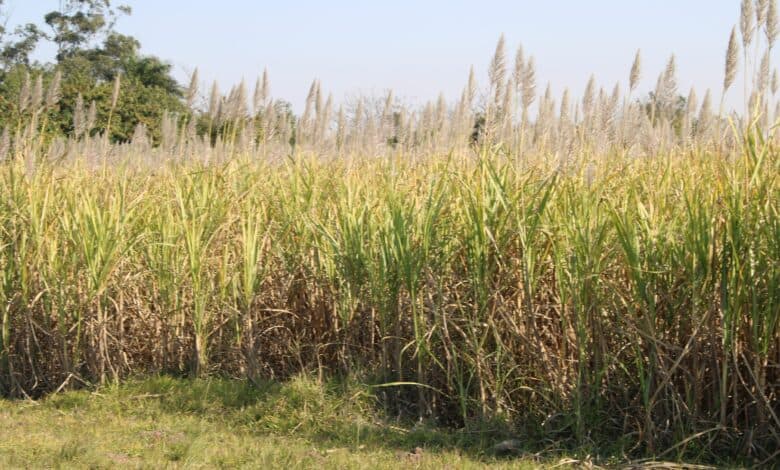
South Africa’s sugar industry is teetering on the edge of crisis as a flood of imported sugar threatens the livelihoods of thousands of rural growers.
According to SA Canegrowers, sugar imports between January and August 2025 have skyrocketed by more than 400% compared to the same period in 2024, rising from 35730 tonnes to 149 099 tonnes.
This surge – primarily from Brazil – has led to a dramatic 13% year-on-year drop in sales of locally produced sugar, with just under 114 000 tonnes displaced from the market.
ALSO READ: Bumper sugarcane harvest soured by tariff threat
“The financial impact on the sugar industry is staggering,” said Higgins Mdluli, chairman of SA Canegrowers.
For every tonne of foreign sugar sold, the local industry loses R7600, amounting to losses of more than R860-million this year.
SA Canegrowers, which represents 24 000 small-scale and 1 200 large-scale growers, warns that the industry is being undermined by heavily subsidised foreign sugar sold at prices similar to locally produced sugar.
ALSO READ: Imported sugar crushing local industry, warns Canegrowers chair
“These imports do not benefit consumers. Instead, they allow opportunistic importers to pocket massive profits while local jobs vanish,” said Mdluli.
Although South Africa adjusted its sugar import tariff in August to better reflect global market distortions, the measure has proven insufficient. Countries like Brazil and India subsidise both production and export, enabling them to sell sugar below its true cost.
“It is an unfair advantage that local producers cannot match,” said Mdluli.
ALSO READ: The history of the sugar empire that built the North Coast
The crisis is compounded by the controversial sugar tax, which SA Canegrowers argues has failed to deliver health benefits while costing thousands of jobs. The organisation is calling for the tax to be urgently reviewed and scrapped.
“This call is now even more urgent. The added cost of the sugar tax on beverage producers has made imported sugar more appealing to them, thereby punishing local growers even further,” said SA Canegrowers vice-chair, Andrew Russell.
In the meantime, industry stakeholders have welcomed news that the sugar tax will not be increased in the immediate future.
The tax was not raised during finance minister Enoch Godongwana’s 2026 Medium-Term Budged Policy Statement on Wednesday (November 12), indicating a reprieve for another year.
To support the industry, SA Canegrowers urges consumers, retailers and manufacturers to commit to buying locally grown sugar. Shoppers are advised to look for packaging that clearly states, “Product of South Africa” or carries the “Proudly South African” logo. Sugar labelled as “packed in South Africa” may still be imported and contributes to the displacement of local products.
For more information on how to identify locally produced sugar and support South African growers, visit saveoursugar.org.za.
- Note: This story has been updated since the print edition to include the news of the sugar tax remaining stable, which emerged after initial publication.
Stay in the loop with The North Coast Courier on Facebook, X, Instagram & YouTube for the latest news.
Mobile users can join our WhatsApp Broadcast Service here or if you’re on desktop, scan the QR code below.

Stay in the loop with The North Coast Courier on Facebook, X, Instagram & YouTube for the latest news.
Mobile users can join our WhatsApp Broadcast Service here, or if you’re on desktop, scan the QR code below.