

Turn your eyes to the wonder of the African night sky
Nine tips from the Astronomical Society of Southern Africa for budding stargazers.


Summer is now in full swing and clear skies abound, there is no better time to take stock of the night sky and see what celestial features you can spot from the comfort of your garden.
There are a multitude of wonders to be seen and something can be found by a stargazer of any skill level.
Here are 9 tips courtesy of the Astronomical Society of Southern Africa, Durban Centre (ASSA) for any star-spotter and budding space explorer.
1. Avoid light pollution
If you live in a city where light pollution clouds your view, get as high up as you can so buildings do not obstruct your view.
Try to also get away from streetlights as one will knock out your dark adaptation for 20 minutes.
2. Invest in a red flashlight
If you need some kind of light so you don’t fumble in the darkness (or fall off a roof), get a flashlight with a red filter which will not have the same effect on eyes as blue or white light.
You can create your own red flashlight by covering your cell phone with red cellophane or paper.
3. Avoid costly gear at first
Newbie stargazers are often tempted to stock up on high-tech tools.
It is best to get to know the night sky first, identify a few anchor objects like planets or constellations that help you navigate the sky, and then buy a telescope.
The skills you will develop using maps and reference books with binoculars are exactly the skills you will need to put a telescope to good use.
4. Use binoculars
They are a fantastic middle ground between the naked eye and the massive magnification of a telescope, and you will be surprised by how much detail they can provide.
Ease of use, cost and performance make binoculars the ideal ‘first telescope’.
5. Know when to look
If you can brave the cold, the sky is at its best on crisp, clear winter nights when there is no humidity in the air.
Summer evenings tend to produce haze and blur the view.
The best time for stargazing is when the moon is in a crescent or gibbous phase, or when it is not present in the sky at all.
When the moon is full, there’s so much light that it washes out everything else.
6. Use an App
Apps like Stellarium, Starwalk, Exoplanet and Google Sky Maps are treat-and-a-half and an easy introduction into stargazing for the younger generation.
7. Join a club
A good and fun way to learn the skies is with other likeminded people.
An amateur astronomer’s club will probably have three things: telescopes, experts who can tell you how to use them, and access to a local observatory.
The Astronomical Society of Southern Africa, Durban Centre has monthly meets, sky parties, outreach events and is always happy to welcome visitors and new members to join in the adventure of exploring science and space!
Visit astronomydurban.co.za, @astronomydurban (Instagram) or the Facebook page: Astronomical Society of Southern Africa, Durban Centre
8. Get a guide
Various yearly sky guides are published, with a monthly guide of what can be seen in the sky each month.
Our favourite is the ‘Sky guide for Africa South‘ which is user-friendly and packed with information, pictures and so many extras!
9. Knowledge is power
Before you look up, learn about the sky above. What follows is a simple guide to what you can look forward to.

There is a telltale way to differentiate whether something you spot is a star or a planet.
If a bright light in the sky sparkles, it’s a star. If it doesn’t and appears stationary, it’s a planet.
There are so many high-tech tools to help us navigate the skies, but astronomers still recommend forgoing them every once in a while and just gazing up with the naked, unaided eye.
This is how our ancestors saw the sky, and over thousands of years, it’s barely changed.
With enough practice, eventually you will know the characters in the sky by heart.
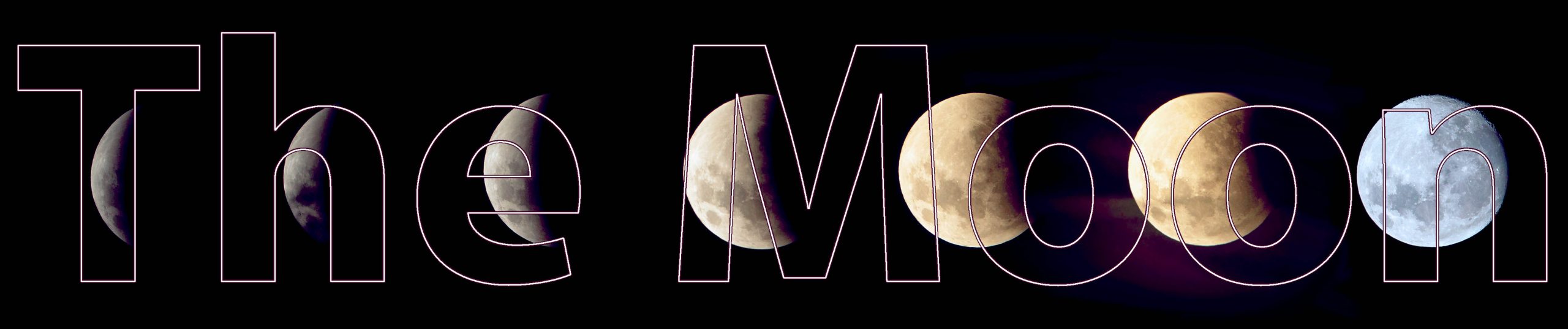
The all too familiar, sometimes overlooked Moon is actually a complex little satellite with craters, mounds, phases and eclipses.
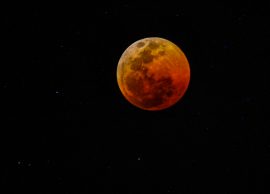
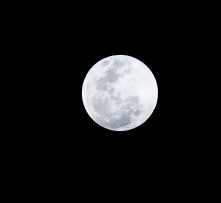
It is the perfect starting place for budding sky enthusiasts, and aspiring astro-photographers.
It’s beautiful both during the day and at night.
The waxing or waning phases are when the moon’s shadows best reveal its spectacular texture in great detail through binoculars or a telescope.
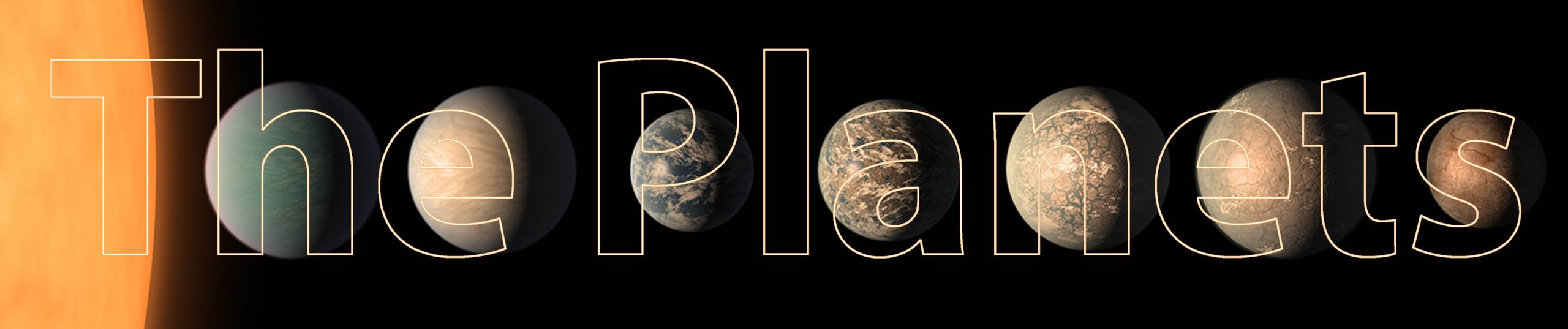
There are 5 planets orbiting the sun which are visible with the naked eye: Mercury, Venus, Mars, Jupiter, and Saturn.
The planets, including Earth, move in what is called the ecliptic plane.
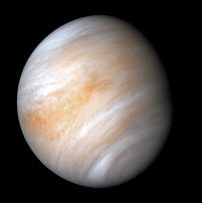
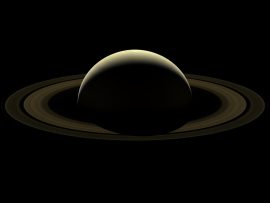
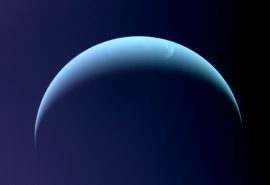
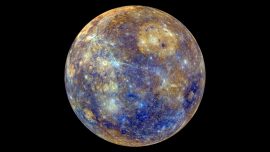
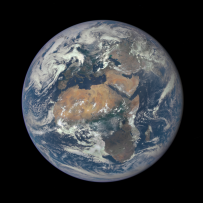
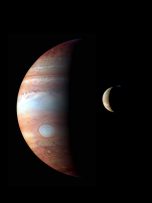
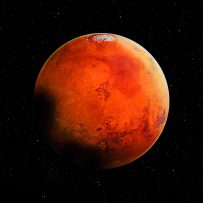
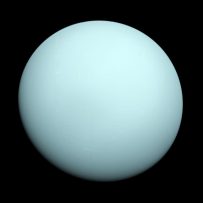
If you can spot two planets (or the moon and a planet) and trace a line in the sky between the two then you’ve identified part of the ecliptic plane.
This is the path the sun appears to take when rising and setting.
If you continue to trace this line across the sky, you will probably run into several of the planets, as they follow this same path.
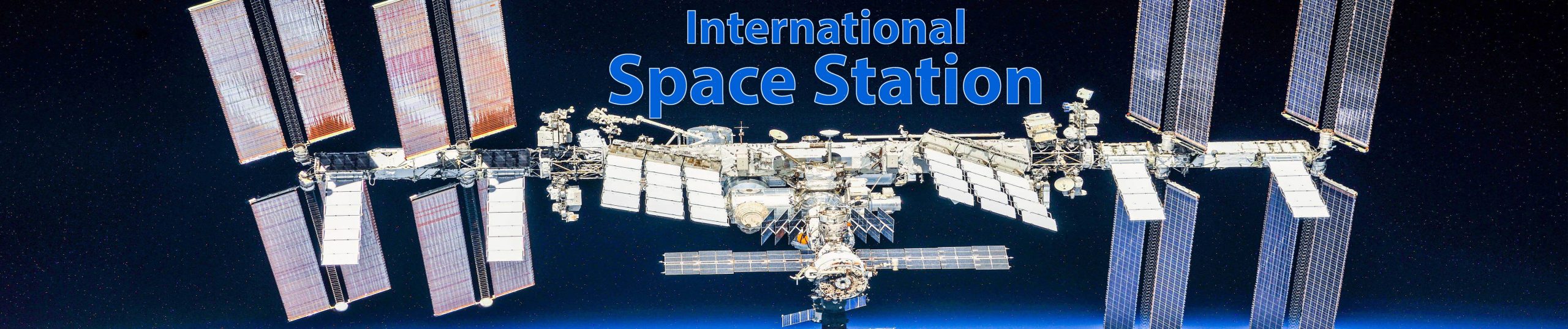
The International Space Station is a habitable artificial satellite in low Earth orbit which is the result of a joint project between 5 space agencies: NASA (United States), Roscosmos (Russia), JAXA (Japan), ESA (Europe), and CSA (Canada).
It serves as a microgravity and space environment research laboratory in which crew members conduct experiments in biology, human biology, physics, astronomy, meteorology, and many other fields.
The station is suited for the testing of spacecraft systems and equipment required for missions to the Moon and Mars.
Every 90 minutes the Space Station orbits the Earth, so the crew witnesses 16 sunrises and 16 sunsets per day!
As the third brightest object in the sky the International Space Station is easy to spot if you know when to look up.
Watch the International Space Station pass overhead from several thousand worldwide locations at spotthestation.nasa.gov

The renowned Dutch-American astronomer Bart Bok once famously stated that “The Southern Hemisphere holds all the good stuff!” and he certainly was right.
Whether you are a seasoned stargazer, or have not got the foggiest notion of what is what, we cannot help but look up in awe, and appreciate the magnificence that is the sky.
The southern sky is a starry realm richly sown with a treasury of deep-sky objects: star clusters, bright and dark gas clouds, and galaxies.
Most people know the ‘Big 5‘ African animals, but did you know that we also have a Big 5 of the sky, which holds the best example of each of the 5 celestial classes of object?

The Southern Pleiades are the best example of open star clusters that can be spotted from the southern hemisphere.

The overwhelming Omega Centauri is a stunning array of stars which come together in a globular star cluster.
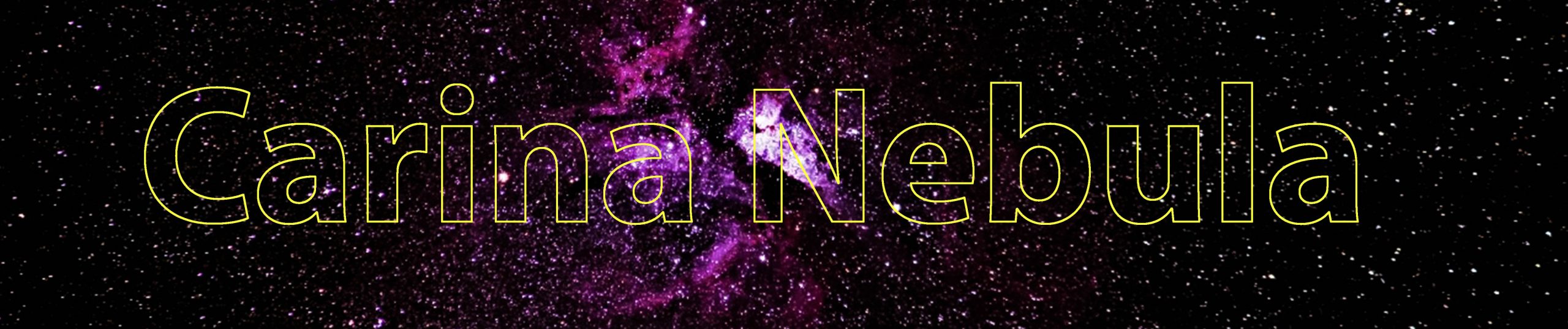
The majestic Carina Nebula is perhaps the greatest showpiece of the southern hemisphere sky, and is an example of a bright nebula.
In terms of complexity, there is nothing in the northern hemisphere to compete with it.
The Carina Nebula surrounds the supergiant star, Eta Carinae, which is an incredible 4 million times brighter than our sun, and up to 150 times bigger.
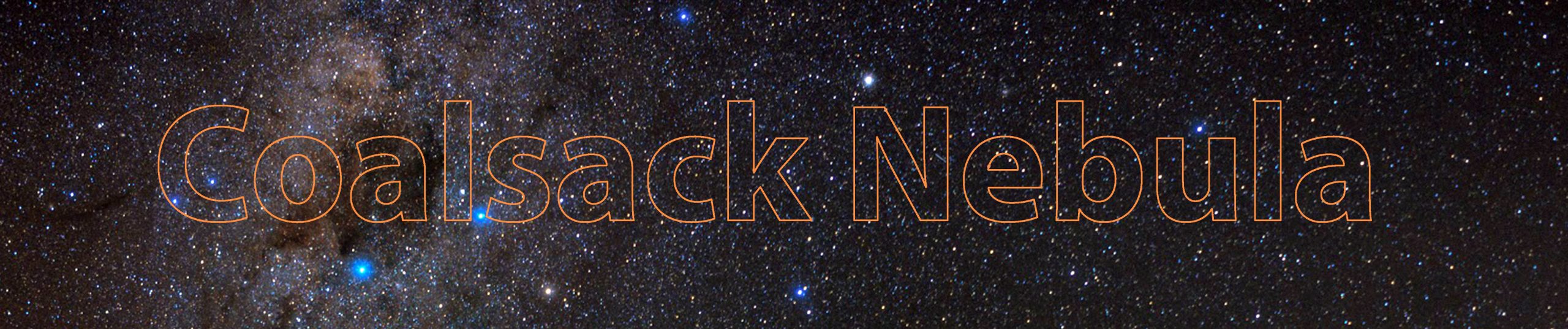
Dark nebulae are mysterious and hard to spot, but the Coal Sack Nebula can be seen with a bit of know-how.
The most splendid galaxy of them all is our own Milky Way Galaxy.
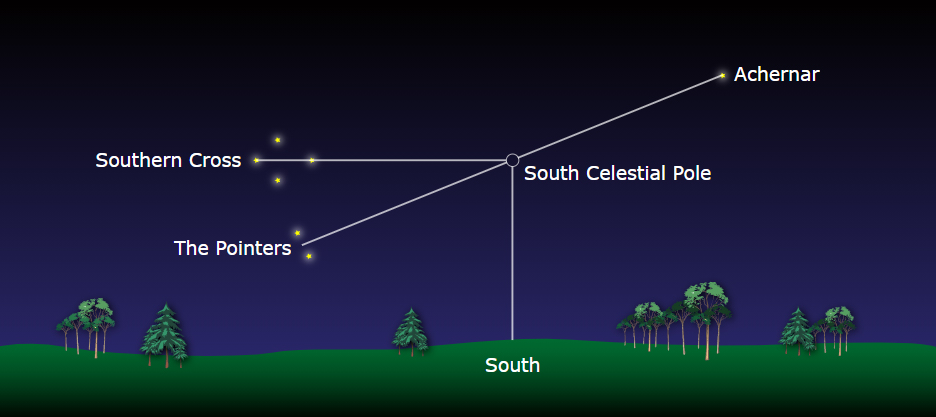
 A common navigation reference point for hundreds of years, the Southern Cross will also be visible this January.
It is perhaps the most well known of all star patterns for southern hemisphere viewers of the night sky.
It is made up of 5 distinctive bright stars which are found in Crux, which is the smallest constellation in the observable sky.
The Southern Cross is also an excellent way to find the Coal Sack Nebula, which is south east of the cross.
Be sure to go and find it, happy star hunting!
Info, adapted text and credit:
Claire Odhav and Amith Rajpal on behalf of the Astronomical Society of Southern Africa, Durban Centre.

Stay in the loop with The North Coast Courier on Facebook, X, Instagram & YouTube for the latest news.
Mobile users can join our WhatsApp Broadcast Service here, or if you’re on desktop, scan the QR code below.