
Puppy mills – the hidden horror
On average, a single puppy mill can produce up to 600 puppies per year, and in many cases the animals are kept in appalling conditions.
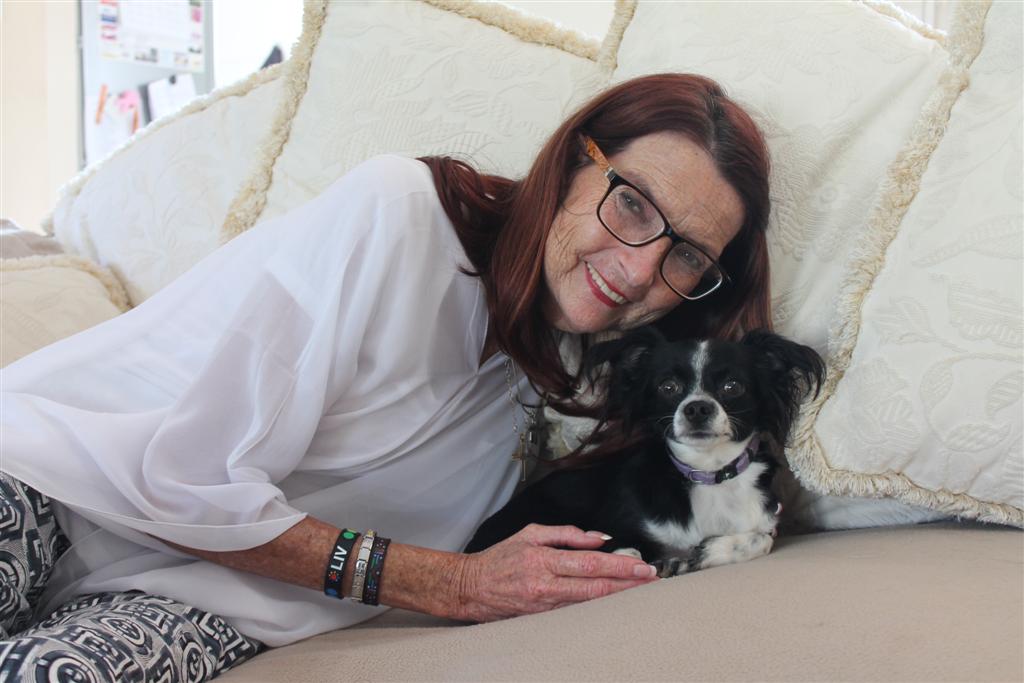
PUPPY mills are one of the biggest contributors to the country’s current animal overpopulation crisis, said Lakota Schultz, one of four directors of the animal rescue organisation, The Dachshund Haven. On average, a single puppy mill can produce up to 600 puppies per year, she said.
“The situation so bad in South Africa that every person in South Africa would have to adopt seven dogs to ensure that every dog currently sitting in a kennel or rescue organisation is re-homed, and yet people still continue to breed,” explained the Durban North resident.
The Dachshund Haven currently has 70 animals in its care, however they are forced to turn down at least two dogs a day. Schultz, along with three other organisations, recently rescued at least 60 dogs from a puppy mill located on a farm outside of Gauteng. The animal activist said there are six other puppy mills that she and other organisations rescue dogs from.
According to Schultz, in most cases the animals are kept in appalling conditions. “Most have never been socialised. The only human contact they have is with a guy who cleans the runs. He literally hoses the whole kennel or run out, with the dogs still inside. They are sometimes pushed around with boots and picked up by the scruff of their necks,” she said.
The animals rescued from these mills, she said, are petrified of humans. “You can’t pick them up. They often urinate, defecate or vomit when you touch them,” she said. Rehabilitation can take four weeks to a year.
The sad reality, said Schultz, is that the activities of the mills are not illegal.
“While it might seem unethical, according to the current legal system, as long as the animal has food, water, shelter and basic medical care they are not breaking any laws,” she said.
Puppies produced in these ‘commercial mills’ can sell for up to R7 000, the same price as that of reputable breeders, who would spend years researching the history of mating pairs. “In these mills they can’t track who sired the puppies so there is a lot of inbreeding, which leads to disease and disabilities. Few puppies are ever vaccinated,” she explained.
Schultz has made a desperate plea to the community to consider adopting a dog from a shelter or rescue organisation before buying a puppy. “If you absolutely have to buy a registered puppy, do it properly and responsibly by finding a reputable dealer. Chances are, if they have puppies readily available, are advertising on social media or online websites, won’t allow you to visit them or aren’t interested in inspecting your home, they aren’t responsible breeders,” she said.
Contact Lakota at The Dachshund Haven via e-mail on Lakota.s@icloud.com.